

Wholesale Ski Socks: Your Complete Buying Guide for Retail Success
2026-05-26
Stocking the right ski socks can make or break your winter retail season. Whether your customers are carving down black diamonds or enjoying a leisurely cross-country trek, premium socks from Mingjun deliver the warmth, dryness, and durability they demand. But with so many materials, cushion levels, and height options, where do you even start? This guide cuts through the noise, showing you exactly what to look for in wholesale ski socks—so you can boost margins, reduce returns, and keep shoppers coming back for more.
Understanding What Skiers Really Need in a Sock
Skiing is all about precision, control, and comfort, and your socks play a surprisingly pivotal role in that equation. Most skiers obsess over boots and bindings, but the humble sock is where the rubber meets the road—or rather, where your foot meets the liner. Forget the thick, chunky pairs you might use for winter hiking; skiing demands a sock that's thin yet protective, insulating without bulk, and capable of wicking moisture away from your skin. The right ski sock acts like a second epidermis, keeping you dry and blister-free while providing just enough padding to prevent pressure points from your boot’s shell.
Professional fitters will tell you that a ski sock should fit like a glove—no bunching, no sagging, and certainly no seams in high-friction zones. It needs to sit perfectly flat against your calf and shin, because even a slight fold can translate into painful rubs over the course of a day on the slopes. Look for graduated compression features that encourage blood flow, which helps stave off fatigue during long lift rides and aggressive descents. Merino wool stands out as the material of choice for its natural odor resistance, warmth regulation, and softness, but blends with synthetic fibers like nylon or spandex add durability and stretch recovery. The real test, however, is in the sock’s ability to manage moisture; if your feet sweat and that dampness doesn’t evaporate, you’ll end up with cold toes no matter how expensive your boots are.
Ultimately, understanding what skiers need in a sock comes down to acknowledging the micro-environment inside the boot. It’s a high-pressure, low-ventilation space where every millimeter of material matters. When you nail the right pairing, you forget you’re even wearing them—and that’s exactly the point. Your focus stays on carving fresh tracks, not on digging out a hot spot or stopping mid-run to adjust. So, the next time you gear up, invest as much thought into your socks as you do into your outerwear; your feet will repay you in performance and pure, uninterrupted enjoyment.
Navigating the Wholesale Market: Where to Start
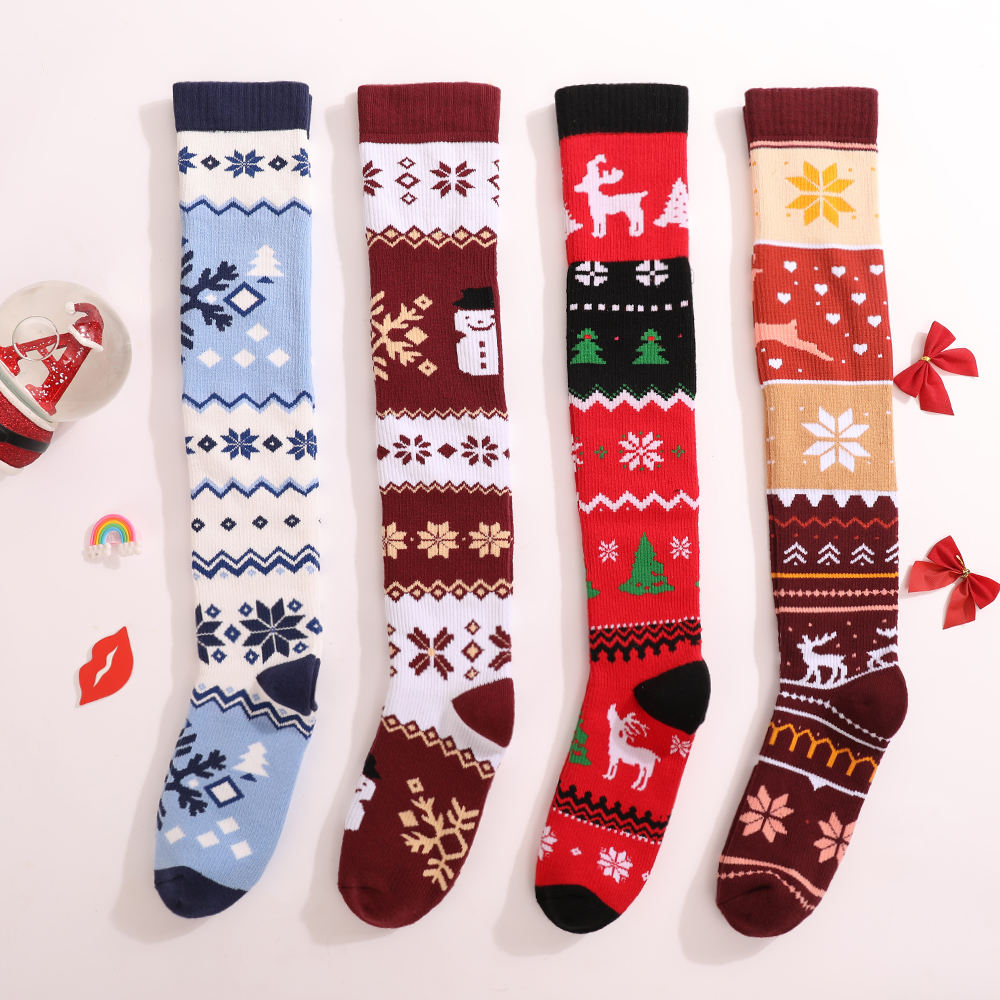
Jumping into the wholesale world can feel like stepping into a bustling bazaar where everyone seems to know a secret handshake. The first real step isn't about finding products—it's about understanding the rhythm of the market. Spend time walking trade shows without the pressure to buy, just to observe how seasoned buyers interact with suppliers, what questions they ask, and how they negotiate. This unfiltered exposure teaches you the unspoken rules that no guidebook covers.
Once you've soaked in the atmosphere, identify a narrow niche that genuinely interests you rather than chasing broad trends. A surprising number of successful wholesalers started by focusing on a single product category they were passionate about, which gave them an edge in spotting quality and understanding customer needs. From there, build relationships with a handful of suppliers instead of casting a wide net—consistent, smaller orders with reliable partners often unlock better terms and priority access to new inventory over time.
Don't overlook the power of local wholesalers and regional distributors, especially when you're testing the waters. They may have higher unit costs than overseas factories, but the lower shipping expenses, faster turnaround, and easier communication can save you from costly mistakes early on. The goal at the start isn't maximum margin—it's learning the logistics, building a reputation, and gradually scaling once you’ve proven the model works.
Key Materials and Technologies That Matter
The shift from merely discovering materials to purposefully designing them has accelerated at a pace few anticipated. Perovskites, once a laboratory curiosity, now routinely achieve solar conversion efficiencies that rival entrenched silicon, while their fabrication costs plummet. Meanwhile, high-entropy alloys defy conventional metallurgy by blending five or more principal elements, yielding combinations of strength, ductility, and corrosion resistance that single-metal systems could never deliver. Even the dream of self-healing polymers has edged closer to everyday use—microcapsule and vascular networks within composites now repair microscopic cracks autonomously, extending the lifespan of everything from wind turbine blades to aircraft fuselages without human intervention.
On the technology front, atomic-precision tools are rewriting the rules of fabrication. Atomic layer deposition, originally confined to semiconductor manufacturing, now enables conformal coatings on porous ceramic scaffolds, creating catalytic surfaces with reaction-specific topologies. Nanoimprint lithography pushes feature sizes into the sub-10-nanometer regime, making large-area metasurfaces practical for flat optics that manipulate light in ways natural materials cannot—think ultra-thin lenses that correct chromatic aberration across the entire visible spectrum. At the same time, machine learning algorithms trained on crystallographic databases are short-circuiting decades of trial and error, identifying candidate materials for thermoelectrics and solid-state battery electrolytes in weeks instead of years. The convergence of these tools blurs the line between bulk material and functional device, turning a structural component into a sensor, an energy harvester, or a communication node.
Picking the Right Styles for Your Customer Base
Understand who walks through your doors or browses your site. A downtown boutique catering to young professionals might lean on sleek, minimalist pieces that transition from desk to dinner, while a suburban family shop could thrive with relaxed, durable styles that handle weekend chaos. Dive into purchase histories and returns data—if your buyers consistently skip edgy silhouettes for classic cuts, stock accordingly. It's not just about demographics; it's about the daily lives and unspoken needs that drive their choices.
Test the waters before committing to a full season's buy. Introduce a few experimental pieces and watch how they perform in real time, gathering feedback from store associates who hear the unfiltered truth. That mid-rise straight jean might be trending globally, but if your customers are asking for high-rise comfort, adapt swiftly. Small, deliberate experiments can keep your assortment feeling fresh without alienating the loyal base that keeps the lights on.
Balance aspiration with practicality—most shoppers want to look current but not like they're trying too hard. Layer in a few conversation-starting pieces that elevate basic outfits, like a statement jacket or an artfully draped top, but anchor the collection in dependable, wearable staples. The goal is a curated mix that feels personalized to your community, making them think, "This place just gets me." When you nail that emotional connection, style choices become effortless.
Margin Matters: Pricing for Profit Without Scaring Buyers
Margin isn’t just a financial metric—it’s the quiet signal your pricing sends to the market. When you set a price, you’re telling buyers what your product is worth, but you’re also setting the stage for every future negotiation. If your margin is too thin, you might find yourself trapped in a cycle of discounting just to keep sales moving, which erodes perceived value over time.
Pricing for profit starts with understanding the psychological thresholds that cause hesitation. Buyers rarely balk at a price because of the number itself; they pull back when the leap from their current solution feels too large. By anchoring your offer against the tangible outcomes it delivers—rather than the cost of production—you shift the conversation from expense to investment. This makes a higher margin not only acceptable but logical, because the buyer sees what they gain on the other side.
The real art lies in tiering your offerings so that the middle option becomes the obvious choice. This isn’t manipulation; it’s clarity. When you structure packages around distinct value levels, buyers naturally gravitate toward the one that feels balanced. You preserve margin not by hiding it, but by letting customers choose it for themselves, confident they’ve made the smart decision.
Merchandising Tricks That Move Ski Socks Off Shelves
A well-placed ski sock can stop a customer in their tracks. Forget dumping them in a bin near the register — give them a dedicated spot on the wall where vibrant patterns and technical features catch the eye. Use tilted shelves or pegs so the socks hang at face level, and rotate the front-facing pairs weekly to keep the display feeling fresh. When a shopper can instantly see the merino blend or the reinforced heel, they’re already picturing themselves on the slopes.
Tell a story that taps into the stoke of winter. Pair a sleek black performance sock with a high-end ski boot and a trail map from a local resort — suddenly it’s not just a sock, it’s part of the whole adventure. Sprinkle in unexpected details like a tiny waterproof pouch with each purchase, or a note on how the cushioning targets pressure points during a long chairlift ride. These small gestures make the product stand out without a single sales pitch.
Let customers get hands-on. Set up a low-profile bench where they can try on a sample sock with a test boot, or hang a mirrored panel nearby so they can see the fit. Train your floor team to casually mention how the seamless toe construction reduces friction — maybe while helping someone adjust their bindings. When the experience feels personal and the technical talk stays natural, those ski socks suddenly become an impulse buy that actually makes sense.
FAQ
Merino wool is a top choice for its natural temperature regulation and moisture-wicking abilities. Synthetics like nylon and elastane add durability and stretch. Avoid cotton—it holds moisture and can lead to cold feet on the slopes.
It depends on the fit of your ski boots and personal preference. Most skiers prefer a medium thickness for a balance of warmth and precision. If your boots are tight, go thinner; if you prioritize warmth, a plush option might work, but ensure your boots still fit properly.
Strategic cushioning in the shin, heel, and toe areas absorbs impact and reduces friction. This targeted padding prevents blisters and adds comfort without bulk, letting you ski longer without discomfort.
Over-the-calf socks are essential. They provide full coverage under the boot, prevent bunching, and protect your shins. Ankle or crew socks create gaps that can cause chafing and expose skin to cold air or snow.
Look for fabrics labeled as moisture-wicking or hydrophobic. These materials pull sweat away from the skin and dry quickly. Merino wool naturally excels here, while synthetic blends often incorporate ventilation panels to enhance breathability.
Yes, targeted compression can support blood flow, reduce muscle fatigue, and speed up recovery. It’s especially helpful for all-day skiers or those with circulation concerns. Just ensure the compression is gradual and not overly tight.
Variety is key. Stock multiple sizes, thicknesses, and colors to cater to men, women, and kids. Also, evaluate the supplier's reliability—check for consistent quality, timely deliveries, and attractive packaging that will stand out on your shelves.
Conclusion
Ski socks are not just an accessory; they are a crucial piece of equipment that can make or break a skier's day on the slopes. Understanding what skiers truly need—moisture wicking, warmth without bulk, and a secure fit—sets the foundation for stocking inventory that performs. When you step into the wholesale market, the landscape can feel vast, but starting with suppliers who specialize in technical outdoor gear ensures you access socks engineered with purpose. Pay close attention to materials like merino wool blends, synthetic hollow-core fibers, and compression zones; these are the technologies that balance insulation, breathability, and durability, directly impacting customer satisfaction. In the end, a well-chosen sock becomes a silent salesperson, earning trust and repeat business.
Once you've sourced quality products, the next step is aligning your selection with your specific customer base. Are they resort skiers seeking colorful, cushioned comfort or backcountry enthusiasts who prioritize ultralight, moisture-managing designs? Stocking a thoughtful mix of thicknesses, heights, and features like targeted padding or seamless toes allows you to cater to varied preferences without overcomplicating inventory. On margin, resist the urge to race to the bottom; instead, focus on value perception. Bundle packs, highlight technical benefits, and create eye-catching displays that tell a story—like a 'cold day kit' including hand warmers. Such merchandising tricks transform ski socks from a commodity into an engaging solution, encouraging add-on purchases and repeat visits. This comprehensive approach not only meets skiers' real needs but also maximizes your retail margins and customer loyalty. By weaving together technical know-how, strategic buying, and smart retail presentation, you turn a humble sock into a powerful profit driver.
Contact Us
Contact Person: Tiga
Email: [email protected]
Tel/WhatsApp: 8613058331729
Website: https://www.china-socksfactory.com/