

Unstructured Running Caps Manufacturer: How to Choose the Right One for Your Brand
2026-09-27
Here’s the reality most brands discover too late: unstructured running caps are simple to sketch, but brutally hard to manufacture well. The crown slouches too much or not enough. The seams pucker after a single wash. The sweatband curls. If you’ve cycled through sample after sample and still don’t have a cap you’d be proud to ship, you’re not alone. The fix usually isn’t another design tweak — it’s choosing a manufacturer that already lives and breathes this specific cap style. That’s where 4ugear comes in. Below, we break down exactly what to look for so your next production run doesn’t become another expensive lesson.
Reading the Crown Construction Before You Order Unstructured Running Caps
Before you click order, flip past the lifestyle photos and zero in on the crown construction. Most unstructured running caps rely on a five- or six-panel layout with a soft, pliable front — no stiff buckram behind the logo. That means the way the panels are cut and stitched determines whether the hat sits flat against your forehead or bunches awkwardly after the first wash. Look for a center front seam that lies smooth without puckering; if the product shots hide the top or only show side angles, you're likely dealing with a crown that won't hold its intended shape once the internal taping softens.
Fabric weight also plays a bigger role in unstructured crowns than in structured ones. A featherweight ripstop will collapse into a near-shapeless puddle on your head, while a slightly denser nylon or polyester blend with a touch of mechanical stretch keeps the dome from caving in without adding a hard frame. Pay attention to the interior seam finishing as well — flatlocked or taped seams on the crown reduce irritation when the hat molds to your skull over long miles, but bulky overlock stitching can leave red marks along your hairline.
Finally, consider how the crown's height is described. "Low-profile" usually means the panels are cut shallower, creating a closer fit that suits runners who hate excess fabric. "High-profile" or "fuller crown" gives more room for a top knot or a taller forehead, but it can wobble in crosswinds if the fabric lacks body. If the listing doesn't specify panel count or profile, message the brand and ask — a quick answer about crown depth often tells you more than four paragraphs of marketing copy about moisture wicking.
What a Manufacturer's Minimums Actually Mean for Your First Cap Run
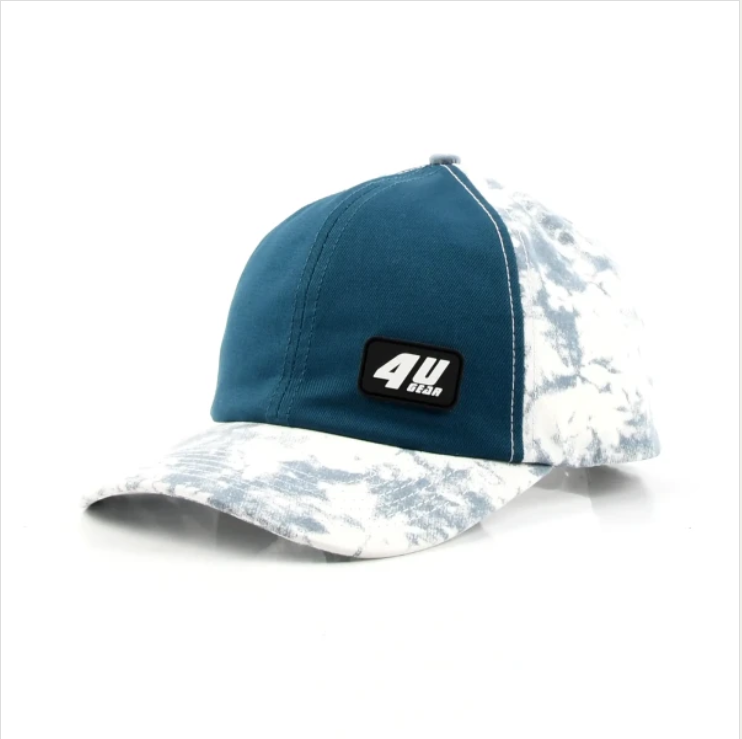
When a factory quotes you a minimum order quantity for custom caps, they're really telling you how their production line is set up. Most of the cost isn't in the fabric or the stitching—it's in the setup, the machine changeovers, and the time spent switching from one client's design to another. A minimum of 100 or 300 pieces doesn't mean they can't make fewer; it means making fewer would either force them to charge you a setup fee so large it wouldn't make sense, or they'd have to slow down a line that's already running at full tilt.
For your first run, treat the minimum as a signal about how much risk you're being asked to absorb. If a manufacturer's minimum is 500 caps and you only need 100, you're not just paying for 100—you're paying for 400 that might sit in your garage. That's fine if you've already got demand locked in, but for a new brand or a test drop, it can quietly eat your entire budget. Some factories will offer a lower minimum with a per-unit surcharge, which is often cheaper than storing unsold inventory for a year.
The smart move is to ask what actually drives the minimum. Is it fabric dye lots? Embroidery digitizing? The number of panels that need to be cut? Once you know the bottleneck, you can sometimes negotiate a shorter run by using stock fabrics, simplifying your logo, or accepting a slightly longer lead time. Minimums aren't a wall—they're a starting point for a conversation about how your order fits into their workflow.
Sweat Testing the Headband Without Wearing the Cap
Most people only ever judge a headband when it's tucked under a cap, but that hides half the story. To see what the band actually does on its own, put it on over bare skin and go for a short run or a brisk walk on a warm day. Pay attention to how quickly the fabric feels saturated, whether sweat starts rolling down your temples before the band catches it, and if the band itself starts to slide once it gets heavy. This isolates the material's wicking and grip without any brim changing the airflow or soaking up moisture first.
If you'd rather not wait for your own sweat to show up, grab a spray bottle with warm water and lightly mist the inside of the headband before putting it on. Start with a few sprays, wait a minute, then add more in stages. This lets you see how the band handles a controlled amount of liquid, which is useful for comparing one model against another or checking if a supposedly "breathable" fabric just turns into a wet sponge. Keep an eye on whether the moisture beads up on the surface or gets pulled into the fibers, because that difference matters once you're actually working hard.
Another angle is to test the headband during a low-sweat activity first, like stretching or lifting, then follow it with something that makes you drip. Notice how the band feels against your skin when it's dry versus damp, and whether it dries quickly after you take it off. Some headbands feel great for ten minutes and then start chafing or leaving red marks. By testing without a cap, you'll also catch any issues with the band riding up at the back or pressing too hard behind the ears, which a cap often masks.
Why Dyed-to-Match Panels Rarely Match Your Brand Colors
The gap between a dyed-to-match panel and your actual brand color often starts long before the panel reaches your hands. Dye lots vary from batch to batch, and the base material of the panel—whether it's wood, MDF, plastic, or metal—pulls the dye differently than the fabric, paint, or print where your brand standard was originally defined. A Pantone swatch on coated paper will never behave like an anodized aluminum surface, so the same pigment can shift in saturation or hue simply because of what it's sitting on.
Then there's the matter of surface finish. A glossy panel bounces light back more directly, making colors look deeper and richer, while a matte finish scatters light and can wash out the same tone. Even if the colorimeter says the panel hits your exact CIELAB values, your eye sees the interaction between the dye, the texture, and the lighting in the room. That's why a panel that looks spot-on under showroom LEDs might feel off next to a north-facing window or under office fluorescents.
Finally, the practical limits of manufacturing tolerance mean that "dyed-to-match" is often a best-effort approximation rather than an exact replication. Suppliers may be using different dye chemistry than the one used for your core brand materials, or they may pull from a stock of pre-dyed blanks that were produced weeks apart. Even with a tight quality control process, a half-step difference in temperature or humidity during dyeing can nudge the color warm or cool. The result is a panel that's usually close enough for most people, but rarely a true match for a brand team that has spent months obsessing over hex codes and swatch books.
The Hidden Cost of Cheap Adjustable Straps on Running Caps
At first glance, a cheaper adjustable strap feels like a win — a few dollars saved on a cap you'll sweat through anyway. But the real cost shows up mid-run, when the plastic buckle starts slipping against your tempo and the once-snug band turns into a loose, bouncing distraction. You end up yanking it tighter every mile, only to feel the raw edge dig into the back of your skull.
Then there's the quiet failure: the elastic inside the strap loses its memory after a few washes, and the cheap webbing frays at the fold. What started as a bargain becomes a cap you stop reaching for — replaced two or three times a season while a better-built strap would still be holding its shape. The hidden cost isn't just discomfort; it's the money and mental energy spent babysitting a piece of gear that should simply stay put.
When to Walk Away From a Factory That Overpromises on Cap Quality
“When to Walk Away From a Factory That Overpromises on Cap Quality” isn’t just a catchy phrase—it’s a survival skill for anyone sourcing caps in bulk. The first sign you need to step back is when the factory’s sample caps look flawless, but their production timeline keeps slipping. You’ll hear endless reassurances about “upgraded molds” or “special material sourcing,” yet each delay chips away at your launch date. That gap between promise and delivery is the real quality indicator, and it rarely closes on its own.
A second red flag is the factory’s refusal to provide transparent defect data or third-party inspection reports. If they dodge questions about color consistency, seal integrity, or thread tolerances—claiming it’s “proprietary” or “not necessary for this volume”—walk away. Genuine cap manufacturers understand that precision matters for every closure, from flip-tops to child-resistant designs. Overpromising on cap quality while hiding the metrics that prove it is a pattern, not an accident.
Finally, trust your own stress test. Order a small trial batch under realistic conditions, including high-speed capping and temperature cycling. If the caps crack, leak, or strip threads at rates that the factory dismisses as “unusual,” don’t rationalize it. A factory that overpromises on cap quality often blames your equipment, your operator, or even the weather—anything but the cap itself. Walking away at that point isn’t rude; it’s protecting your product’s reputation before a single defective closure reaches a customer.
FAQ
Start with their production experience with unstructured caps, not just general headwear. Ask for actual samples made from the fabrics you plan to use, and look closely at how the front panel holds its shape without the usual buckram backing. A factory that understands soft crowns will show even stitching, clean seam tape inside, and no puckering around the brim.
Unstructured caps skip the stiff front panel liner, so the fabric itself has to carry the shape. That means the manufacturer needs precise cutting patterns, careful tension on sewing machines, and a good sense of how lightweight performance fabrics drape. If they treat it like a standard baseball cap, you'll end up with a limp or lopsided crown.
Look for lightweight technical options like nylon ripstop, polyester mesh, or recycled poly blends. They should also provide moisture-wicking liners or sweatbands and let you feel swatches before committing. If they only offer heavy cotton twill, they probably don't specialize in running gear.
Not necessarily. A low MOQ is helpful if you're testing a new color or building a small release, but it often comes with a higher per-unit price. Ask for pricing at a few quantity levels so you can see how costs change and decide whether the factory aligns with your growth stage.
Ask about crown depth, circumference range, and whether they offer multiple sizes or a one-size adjustable design. Request a fit sample on a real head form or digital pattern approval. Also confirm how the closure sits at the back and whether the brim curve can be customized.
Ask about their QC checkpoints, especially for stitch tension and logo placement. A detailed pre-production sample matters, but so does a random pull from the first bulk run. Find out if they reorder the same fabric lot or dye batch and what tolerance they allow for small differences.
Be wary of vague answers about material sourcing, no willingness to send physical samples, or pressure to pay a large deposit before specs are locked. Poor communication on lead times, unclear factory location, or deflecting questions about labor conditions are also signs to move on.
Very important if you care about your logo looking sharp. Ask whether they do embroidery, woven labels, heat transfers, or silicone patches themselves or through a trusted partner. Then ask for close-up photos of past branding work, especially on curved or soft front panels where distortion can happen.
Conclusion
Choosing the right manufacturer for unstructured running caps comes down to inspecting details that most brands overlook until it's too late. Start with the crown construction: a well-built unstructured cap should hold its shape through repeated wear without relying on stiff buckram, so request cutaway samples or ask how many panels are used and how the seams are reinforced. Minimum order quantities are another place to read between the lines. A low MOQ might sound friendly, but it often signals that the factory is used to promotional giveaways rather than performance gear, which affects fabric sourcing, stitching consistency, and quality control. Before committing, ask for a headband swatch and subject it to a sweat test yourself—rub it with salt water or a sports drink, let it dry, and check for stiffness, odor retention, or color bleed. That small step reveals more about daily wear than any spec sheet.
Pay equal attention to color matching and hardware. Dyed-to-match panels frequently come back a shade or two off from your brand palette because different materials absorb dye differently, so insist on physical lab dips and set a tolerance range before production begins. Cheap adjustable straps might trim a few cents per unit, but they crack, slip, or dig into the wearer's head after a few months, leading to returns that erase your margin. Finally, trust your instincts when a factory promises premium quality at an unusually fast turnaround. Ask for references, request a pilot run, and be ready to walk away if the sampling process reveals shortcuts. The right partner will welcome scrutiny, not dodge it.
Contact Us
Contact Person: Tommy
Email: [email protected]
Tel/WhatsApp: 8613546956008
Website: https://www.4ugearsupply.com/