

Top Wheat Grain Mill Options for Perfect Homemade Flour
2026-07-16
There’s nothing quite like the aroma of freshly milled flour in your own kitchen. But achieving that perfect, fine texture starts with choosing the right equipment. If you’re serious about baking, a high-quality wheat grain mill is a game-changer. Among the many options out there, PINGLE stands out for its reliability and precision engineering. Whether you’re a home baker or a small-scale miller, understanding what to look for can save you time, money, and frustration. Let’s explore the top wheat grain mill options that can turn your grains into consistently perfect flour.
Stone Mills: The Old-World Charm for Nutrient-Dense Flour
There’s something almost magical about the slow, rhythmic grind of stone mills—they hark back to an era when craftsmanship mattered more than speed. Unlike modern steel rollers that strip away the germ and bran, traditional stone milling keeps the entire grain intact, preserving its natural oils, fiber, and rich, nutty flavor. The result is a flour that’s not only more nutritious but also carries the distinctive personality of the grain, whether it’s the earthy depth of whole wheat or the delicate sweetness of spelt. It’s flour with a story, one that connects us to the land and to the hands that milled it.
The secret lies in the cool, gentle process: the stones turn at a low speed, generating minimal heat, so the wheat germ’s vital nutrients and enzymes remain unharmed. This respect for the grain means you’re getting all the B vitamins, antioxidants, and minerals that commercial milling often sacrifices. Bakers notice the difference immediately—the flour feels alive, absorbing water differently and yielding loaves with superior texture, deeper crust color, and a complexity of taste that’s impossible to replicate with generic white flour. It’s the kind of flour that turns a simple sourdough into something transcendent.
Beyond the nutritional and sensory perks, there’s an authenticity to stone-milled flour that resonates with anyone seeking real food. Each batch carries subtle variations, a reminder that it’s a natural product shaped by the wheat’s variety and terroir. It’s a small act of rebellion against the industrialized sameness of supermarket shelves—a return to a time when flour was more than just a commodity. When you bake with it, you’re not just nourishing your family; you’re keeping a centuries-old tradition alive, one loaf at a time.
Impact Mills: Speedy Grinding for Everyday Baking
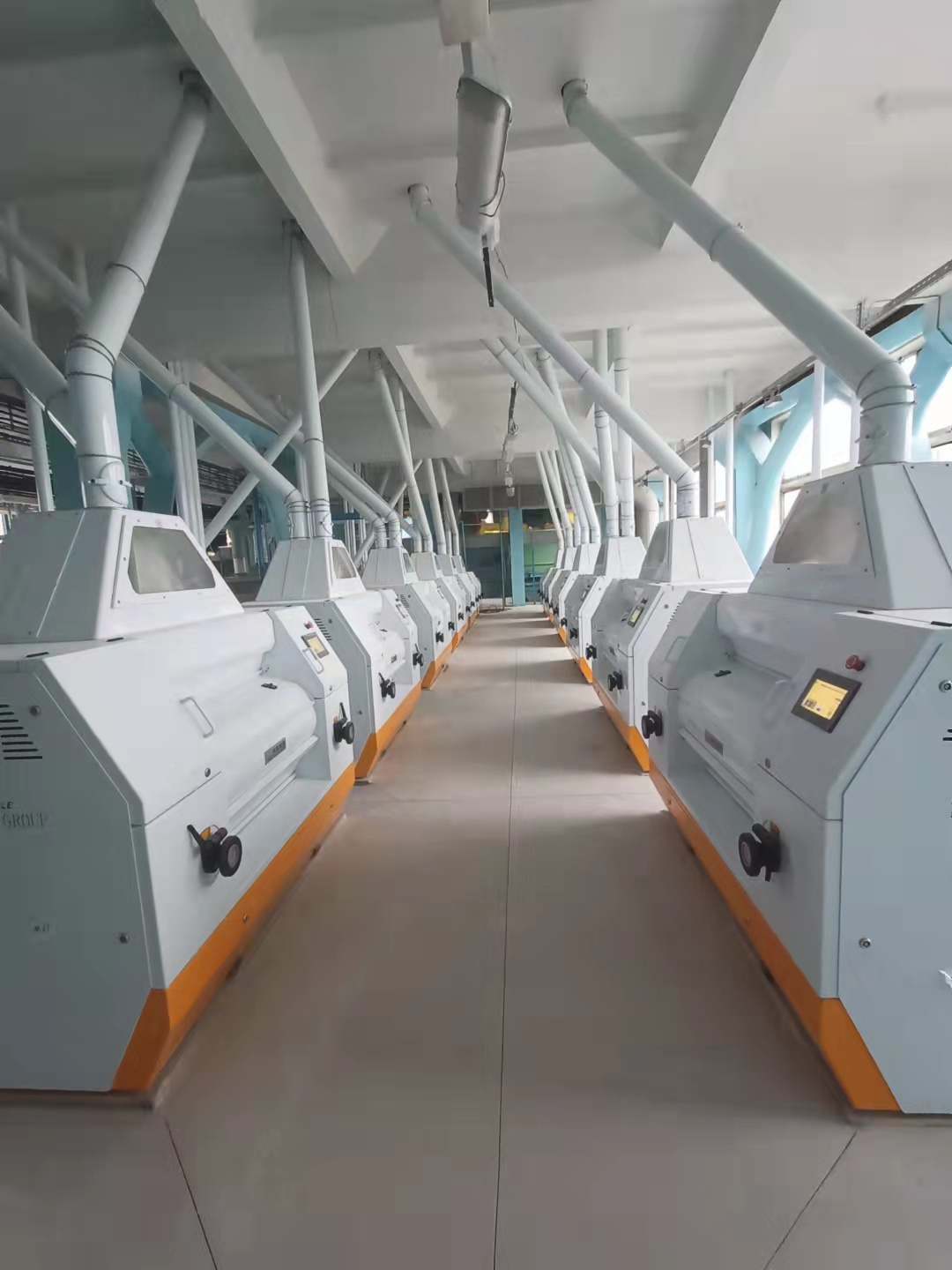
When you need flour in a flash, impact mills step up to the plate. These compact machines use rapidly spinning metal fins to shatter grains against a textured chamber, producing a fine, even grind in seconds. Unlike traditional stone mills that crush grain between two surfaces, impact mills operate with a high-speed vortex of action, making them uniquely suited for soft, non-oily grains like wheat, oats, and rice. The result is a light, airy flour that’s ready to use the moment you stop the machine—no overheating, no stale aftertaste.
What sets impact mills apart in the home kitchen is their sheer speed and convenience. A typical cup of wheat berries transforms into pastry-ready flour in under a minute, which means you can grind just what you need for a recipe without storing excess. This on-demand freshness preserves the natural oils and nutrients in whole grains, delivering a taste and texture that store-bought flour rarely matches. Because the milling chamber stays cool during operation, even delicate grains retain their character, making these mills a favorite for bakers who want whole-grain goodness without the wait.
Of course, impact mills aren’t without their quirks. They work best with dry, low-moisture ingredients; oily seeds or damp grain can gum up the works. And while they excel at fine flour, achieving a coarse meal or cracked grain might require a different tool. But for everyday baking—think quick breads, cookies, and rustic loaves—their combination of speed, simplicity, and fresh flavor is hard to beat. Tuck one on your counter, and you’ll wonder how you ever baked without it.
Manual vs. Electric: Matching Your Mill to Your Rhythm
There’s a quiet joy in turning a hand grinder first thing in the morning—the soft crunch of beans, the slow build of resistance, the way the aroma unfolds in tiny waves. A manual mill doesn’t just grind coffee; it pulls you into the moment. It’s for people who treat their brew as a ritual, not a task, and who find that the extra few minutes are part of the pleasure, not a price to pay.
Then again, some mornings don’t have room for poetry. When you’re half awake and the kettle’s already boiling, an electric grinder becomes your quiet ally. One press, a low hum, and your grounds are ready with a consistency that’s hard to match by hand. It’s not about skipping the craft—it’s about making coffee fit your pace when life speeds up.
Neither choice is better; they simply belong to different rhythms. Think about the quiet Saturday mornings you want to savor versus the weekday sprints you just need to survive. Matching your mill to that rhythm isn’t a compromise—it’s how you keep your coffee practice both honest and alive.
Texture Tweaks: From Silky Soft to Hearty Whole Grains
There’s a quiet magic in how a dish feels against the tongue—the way silky purées and smooth sauces can wrap comfort around a meal, while chewy grains and crackling crusts bring a sense of rustic substance. Playing with texture isn’t just a chef’s secret; it’s something we all can do to make everyday cooking feel more intentional. Think of a simple soup: blend half and keep half chunky, and suddenly it has depth that spoonful after spoonful keeps you curious.
Switching refined flours for whole grains is more than a nutritional pivot—it introduces a hearty, nubby character that transforms the mundane. Brown rice instead of white gives a stir-fry an earthy bite, while whole wheat berries in a salad bring a pop that leaves you chewing more slowly, noticing the nuttiness. Even baking gets a lift when a handful of rolled oats or millet sneaks into the dough, creating a subtle crunch that whispers of the countryside.
The real art, however, lies in layering these extremes within a single plate. A bed of velvety polenta crowned with grilled vegetables and a scatter of toasted seeds creates a conversation between smooth and crunchy that feels both rustic and refined. Don’t be afraid to contrast—pair a silky cauliflower mash with a rough-cut, herb-flecked salsa verde, or let a tender piece of fish rest against a deeply textured, slow-roasted grain salad. It’s in these contrasts that meals stop being just fuel and start telling a story.
Freshness Unlocked: Why Home Milling Beats Store-Bought
There’s a quiet magic in turning whole grains into flour right on your countertop. When you mill at home, you’re capturing the grain’s full vitality—the oils in the germ are still bright and fragrant, the bran crackles with natural texture, and nothing has been stripped away to extend shelf life. That first sift of warm, freshly ground flour carries an aroma that pre-packaged bags simply can’t replicate. It’s the difference between a tomato still warm from the sun and one that’s traveled a thousand miles: alive versus merely present.
Store-bought flours, even the ones labeled “whole wheat,” often sit for months, losing their delicate fats to oxidation and their nutrients to time. By milling just what you need, you sidestep the staleness that creeps into those supermarket sacks. The result isn’t just better flavor—it’s a deeper connection to your baking. Breads rise with a wilder, more complex crumb; pastries take on a nuttiness that surprises your palate. You’re not just following a recipe; you’re unlocking an ingredient that still remembers the field it came from.
Beyond taste, there’s a quiet self-reliance that comes with home milling. You choose the grain, the coarseness, the blend—no hidden additives, no mystery processing. It turns a simple loaf into something personal, a small rebellion against the forgettable uniformity of factory flour. In a world that rushes, standing over a mill and watching kernels transform is a slow, satisfying act. Freshness isn’t just a label—it’s a choice you can hold in your hands.
Beyond Wheat: Expanding Your Mill’s Repertoire
Running a mill solely on wheat can feel like cooking with only salt. There’s a whole pantry of grains waiting to be explored—spelt, rye, einkorn, and even gluten-free options like buckwheat or millet. Each brings its own personality: spelt adds a gentle nuttiness and tender crumb, rye offers earthy depth and moisture, while ancient grains like einkorn deliver a rich, almost buttery flavor without the heaviness. Introducing these flours doesn’t mean reinventing your entire operation; often it starts with a single hopper and a willingness to experiment alongside your baker customers.
The real magic happens when you see how these alternative grains perform in the mill itself. They have different kernel sizes, hardness levels, and oil contents—spelt, for instance, mills beautifully but its husk can play tricks on your cleaning equipment, while rye demands a gentler tempering to avoid gumming up the rolls. Adjusting your mill’s settings isn’t just a technical chore; it’s a chance to reconnect with the craft. Over time, you’ll develop an instinct for each grain’s quirks, and that expertise becomes a story you can share with the artisan bakers who crave distinctiveness.
There’s also a quiet satisfaction in offering something that bridges tradition and the modern palate. A rye flour milled to your own specification can help a local bakery produce a loaf with character that supermarket flour simply can’t match. Diversifying isn’t merely about financial resilience—though that’s a bonus—it’s about carving a niche that celebrates grains in all their variety. It turns your mill from a commodity producer into a partner in flavor exploration, and that’s a reputation that lingers far longer than price per ton.
FAQ
You’ll want a mill with adjustable settings to control the fineness. Stone burr mills often produce a more textured, flavorful flour, while steel burr or impact mills can achieve an ultra-fine, commercial-like consistency. Also, check that the motor is powerful enough to handle hard grains without overheating, as excessive heat can damage nutrients.
It really depends on your routine and needs. Manual mills are quieter, more portable, and don’t rely on electricity—great if you grind smaller batches or want a backup option. Electric mills save time and effort, especially if you bake frequently or need larger quantities, but they’re noisier and less suited for off-grid use.
For lower noise, consider a manual mill—they’re virtually silent. If you prefer electric, look for models with a slower grinding speed or a belt-driven stone burr mechanism. Some high-end brands specifically design their motors to hum rather than whine, making them more tolerable for early-morning baking sessions.
Many mills are versatile enough to handle non-oily grains like corn, rice, and barley. However, beans and oily seeds can clog stone burrs or overheat impact mills unless the manufacturer explicitly states it’s safe. Check the manual—some steel burr attachments can tackle a broader range, but you might want a separate grinder for spices to avoid cross-contamination.
It makes a big difference in both flavor and longevity. Stone burrs create a low-heat grind that preserves nutrients and gives a somewhat rustic, earthy flour. Steel burrs are durable and excellent for a very fine, uniform texture without grit. Ceramic is uncommon but long-lasting and corrosion-resistant; it’s a niche choice mostly in compact hand mills.
Most mills need little more than a brush-out after each use to prevent stale flour buildup. Stone burrs should be cleaned carefully without water to avoid cracking, while steel burrs are often easier to wipe down. Occasionally, you might need to replace worn burrs or belts every few years, but with regular care, a good mill can last decades.
Absolutely—look for mills with clear, wide-range coarseness adjustments. Some hand-crank and electric models let you go from a fine powdery setting all the way to a coarse, groat-like crush. The key is a design where the grinding gap is easy to change without losing consistency, so you don’t end up with a mix of dust and chunks.
Start by matching the motor power to your intended use: a 1/2-hp motor is fine for occasional small batches; for regular whole-wheat bread baking, aim for at least 1 hp. Don’t pay extra for gimmicks you won’t use, like dozens of presets. Read user reviews focusing on reliability over years of use, and compare the warranty length—it often reflects the manufacturer’s confidence in their build.
Conclusion
Choosing the right wheat grain mill transforms homemade flour from a compromise into a revelation. Stone mills, with their slow-turning granite wheels, preserve the germ and bran, delivering nutrient-dense flour with a warm, old-world flavor that electric impact mills—blazing fast with stainless steel fins—might sacrifice for speed. But speed has its place: for the baker who wants fresh flour in seconds for weekday loaves, an impact mill’s efficiency is hard to beat. The manual versus electric debate isn’t just about convenience; it’s about rhythm. A hand-crank mill connects you to the process, while an electric one frees you to multitask, and both can achieve that elusive texture control—from silky pastry flour to hearty whole grain—just by adjusting the settings or sifting. The real magic, though, is in the freshness: volatile oils and nutrients that degrade in store-bought flour remain vibrant when you mill on demand, giving your bread a depth of flavor and aroma that bags on shelves can’t match.
Beyond wheat, a versatile mill opens doors to a pantry full of possibilities—corn, rice, buckwheat, even legumes—allowing you to craft gluten-free blends or specialty flours tailored to your taste. This isn’t just about replacing supermarket staples; it’s about reclaiming the art of milling, where each batch reflects your culinary curiosity. Whether you lean toward the quiet, meditative grind of a stone mill or the swift hum of an impact model, the journey from grain to flour becomes a daily ritual of discovery, nourishing both body and soul with every fresh, personalized bake.
Contact Us
Contact Person: Jiakuo Wu
Email: [email protected]
Tel/WhatsApp: +86-13011566087
Website: https://www.pinglemachine.com