

Top Water Production Line Supplier: How to Choose the Right Partner
2026-10-25
Choosing a water production line supplier often feels like a gamble: you only discover the real quality after installation. The best partners stand out long before that—through transparent engineering, honest lead times, and proven installations. INTOP Machinery has built its reputation on exactly those points. Here's how to evaluate any supplier against the criteria that actually matter, so your next production line doesn't become an expensive lesson.
What the Factory Floor Reveals Before You Sign Anything
Walking onto the factory floor, you don't see the polished photos from the brochure. You see the rhythm of the machines, the way workers hand off materials, the small hesitations and quick fixes that reveal whether this place actually knows its craft. A line that runs smoothly without a supervisor hovering, or a station where tools are placed exactly where the next hand needs them, tells you more than any slide deck ever could.
Don't rush to the conference table. Stand near the quality inspection corner and watch how samples are pulled, how many half-finished units sit in the rework area, whether the calibration stickers on gauges are recent or faded. Count the boxes stacked by the loading dock with handwritten notes taped on them. Those are the honest fingerprints of daily management, not the sanitized version that gets presented in the boardroom.
And when you see a worker adjusting a machine setting by feel rather than flipping through a manual, or a maintenance log with today's date and an actual signature, you start to believe that "on-time delivery" isn't just a phrase in the contract. The floor speaks in small, unscripted moments. You just have to stay quiet long enough to hear them.
Questions That Expose a Supplier’s Real Engineering Depth
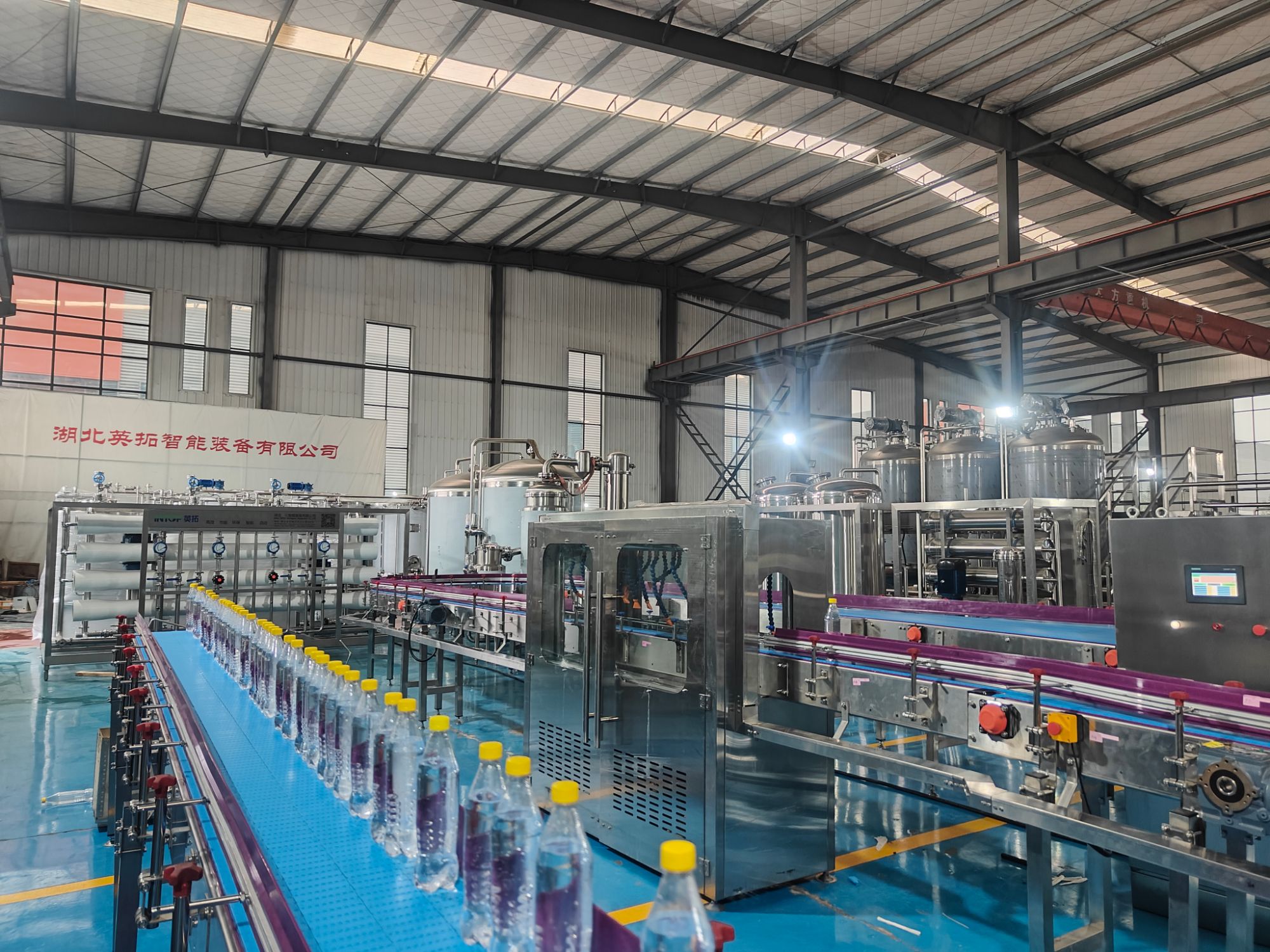
Asking a supplier about their tolerance stack-up analysis under thermal cycling quickly separates those who have solved real problems from those who only quote drawings. A team that has actually pushed parts through environmental testing can discuss where dimensional drift appears, how they adjust datum schemes, and why a particular material pair was chosen over a cheaper alternative. Generic answers about quality control don't survive this line of questioning.
Another revealing topic is failure analysis. Request a walk-through of a recent field failure or scrap issue they traced to root cause. Genuine engineering depth shows when they describe the instrumentation used, what the data ruled out, and the design change that followed. If they can't produce one concrete example with specific numbers, a timeline, and a corrective action, they likely have never owned a problem end to end.
Finally, ask how they validate simulation against physical tests. A supplier with real depth can point to a model that over-predicted stress until a mesh refinement or boundary condition change brought it within a few percent of strain gauge data. Shallow teams hand over a colorful FEA plot and call it done.
Why Your Line Speed Should Match Your Shift Patterns, Not a Spec Sheet
Spec sheets love to brag about maximum throughput, but those numbers are calculated in a vacuum. They assume a fresh crew, zero interruptions, and a machine that never loses its rhythm. Your actual shift patterns tell a different story: the first hour after lunch is slower, the last stretch before a break drags, and the night shift simply doesn't move like the day shift. If you crank the line to match the spec sheet, you're asking for bottlenecks, quality slip-ups, and a crew that burns out by Wednesday.
Matching line speed to shift patterns means treating the day as a series of human pulses rather than one flat target. For example, an 8-hour shift with two 15-minute breaks and a 30-minute lunch realistically gives you about 7 hours of productive time, but not all of those hours are equal. Operators are sharpest in the first two hours and after a short reset. By dialing speed up slightly during those windows and easing off during known fatigue zones, you get more consistent output than forcing a constant speed that only works on paper.
The real payoff is predictability. When the line speed respects your actual shift cadence, you stop fighting the clock and start planning around what your team can genuinely sustain. Maintenance windows align with natural lulls, changeovers happen when the line is already slowing down, and your daily target becomes something the floor believes in. A spec sheet can't tell you that your third shift runs 12% slower than your first—but your shift data can, and that's the number that keeps customers happy.
The Support You’ll Actually Get When a Pump Fails at 2 a.m.
Call the emergency line at 2 a.m. and a person answers—not a recording, not a ticket queue. That person has access to your pump’s service history, the specific model’s common failure points, and a list of spare parts already sitting in a nearby van. Within the first ten minutes, you’re not explaining your address three times; you’re walking through the pressure readings and the noise the bearing made before it seized.
The field tech arrives with a rebuilt cartridge seal, a set of impeller shims, and a thermal gun to check for misalignment that might have caused the failure in the first place. They don’t just swap the part and leave. They run the pump dry for sixty seconds, check the amp draw on each phase, and hand you a photo of the worn part next to the new one so there’s no guesswork about what failed.
That same morning, before the sun is up, you get a one-page report with root cause, the exact torque used on the casing bolts, and a recommended vibration check in two weeks. No upsell, no vague “monitor the situation.” Just the kind of backup that makes a 2 a.m. failure a manageable interruption instead of a production-stopping crisis.
Customization That Fits Your Bottle Shapes Without Stalling the Line
Every bottling line has its own personality, and your packaging machinery should adapt without forcing you to compromise on speed. Our customization process begins with a detailed 3D scan of your actual bottle profiles—whether they're slender, bulbous, squared, or asymmetrical—and maps every curve, shoulder, and neck finish. Instead of forcing generic bottle handling parts onto your line, we engineer guides, starwheels, and grippers that match the exact geometry of your containers. The result is a seamless fit that eliminates shingling, scuffing, and jams, even when you run multiple shapes on the same line with quick-change tooling.
The real challenge isn't just fitting the bottle; it's doing so without adding changeover time or reducing throughput. That's why our customization focuses on modular components that lock into place with a single tool and require no recalibration between formats. A flip-top cap for one SKU and a trigger sprayer for another can coexist because the change parts are pre-set for each distinct profile. The line keeps moving because the machinery doesn't have to be re-tuned or re-timed—it simply recognizes the next bottle and carries on. This approach keeps your OEE high while giving you the freedom to launch limited-edition shapes or regional packaging variants without a capital rebuild.
What sets this apart is the absence of compromise. Traditional customization often means sacrificing line speed for flexibility, or forcing a bottle into a standard pocket that sort of works. Our method treats the bottle shape as the blueprint, not an inconvenience. From lightweight PET for water to heavy glass for premium spirits, each container gets dedicated handling parts that are machined, coated, and tested for your exact production environment. The line never stalls because the customization is invisible during operation—it simply moves bottles as if they were always meant to be there.
The Hidden Costs Hiding in Every Water Line Quote
Most people glance at a water line quote and see only the bottom number. But that figure rarely tells the whole story. Buried in the fine print—or sometimes not listed at all—are expenses like trenching through unexpected rock, upgrading old shut-off valves, or repairing pavement after the job is done. These aren't optional add-ons; they're realities of the work that only surface once the crew starts digging.
Another quiet cost comes from the meter itself. Municipalities often require a new meter or backflow preventer, and that hardware alone can add hundreds to the final bill. Then there's the question of who handles the restoration. If the quote assumes you'll reseed the lawn or repave the driveway yourself, the true price of the project just went up—without a single extra line item appearing on paper.
Smart homeowners ask for a line-item breakdown before signing anything. Push for specifics on depth, soil conditions, and what happens if the crew hits something unexpected. A quote that seems too clean is often the one hiding the most. The real cost isn't the number on the estimate—it's everything that number doesn't say.
FAQ
Ask for a list of recent installations that match your production volume and water type. Then contact those clients directly. A supplier with solid experience won't hesitate to share references, and you'll hear details that a sales pitch never covers.
Look for ISO 9001 for quality management and any regional food-safety or drinking-water standards that apply to your market. If you're producing bottled water, check for NSF or equivalent certifications. Don't accept a generic 'we're certified' claim; ask to see the actual certificates and their scope.
Request a line-item breakdown that includes installation, training, spare parts for the first year, and energy consumption estimates. Ask what's not included. Some suppliers quote a low base price but charge extra for pumps, filters, or software licenses that you assumed were standard.
Find out their average response time for emergency repairs, whether they have local service engineers or rely on remote guidance, and how long spare parts take to ship. Real support means someone can be on-site within 48 hours, not just a call center that logs tickets.
A good supplier will adapt the line to your specific water source, bottle format, and production speed. Beware of anyone offering only off-the-shelf solutions without first testing your water or asking about your target output. Customization should be based on data, not guesswork.
Ask them to design for a 20-30% capacity buffer and explain what it would take to add modules later. Check whether their control systems support easy expansion. A partner that plans for your future avoids forcing you into a full replacement in three years.
Vague answers about past projects, pressure to sign before you've visited their factory, no clear project timeline, and an unwillingness to put performance guarantees in writing. Also be cautious if they avoid discussing energy efficiency or water waste rates.
The purchase price is only a fraction of total ownership cost. Cheaper lines frequently have higher downtime, faster filter wear, and poorer energy efficiency. You might save 15% upfront but spend more on maintenance and lost production within the first two years.
Conclusion
Choosing the right water production line supplier starts on the factory floor, long before you compare quotes. Watch how workers move between stations, whether spare parts sit within reach, and if their test runs use bottle shapes similar to yours. A line that runs smoothly with one container may stall the moment your oval or grip bottle enters the infeed. Ask pointed questions about changeover logic, servo tuning, and what happens when the filler's flow meter drifts at 3 a.m. Real engineering depth shows up in how they handle edge cases, not just rated output.
Line speed should reflect your actual shift patterns, not a number pulled from a spec sheet. If your crew takes staggered breaks or runs long night shifts, a machine rated for continuous 24/7 may still create bottlenecks when no one is there to clear a jammed cap chute. Dig into the quote for items that look minor but add up: air compressors sized for peak humidity, water treatment buffers, conveyor wear strips, and training travel costs. And test their support promise before you commit—ask for a weekend call-back, a remote diagnostic walkthrough, or a local technician's average response time. The right partner treats a pump failure at 2 a.m. as a shared problem, not a ticket number.
Contact Us
Contact Person: Laura
Email: [email protected]
Tel/WhatsApp: +86 13957758832
Website: https://www.intopmachinery.com