

Top Refrigerated Trailer Suppliers for Your Business Needs
2026-04-18
Navigating the vast landscape of refrigerated trailer suppliers can be daunting, especially when precision and reliability are non-negotiable for your business. In this competitive arena, finding the right partner can make all the difference in ensuring your goods reach their destination in perfect condition. Amidst the options, Oriental Shimao stands out with its innovative solutions tailored to meet diverse needs. This blog delves into the top refrigerated trailer suppliers that cater to various industries, highlighting key features and benefits to help you make an informed decision. Whether you're in logistics, food distribution, or pharmaceuticals, discover how these leaders, including industry frontrunners, can elevate your operations and drive success. Let's explore what sets them apart and why choosing wisely matters for your bottom line.
Leading Manufacturers of Refrigerated Trailers for Global Logistics
In the fast-paced world of global logistics, refrigerated trailers are indispensable for transporting perishable goods like fruits, vegetables, pharmaceuticals, and meats across vast distances. Leading manufacturers such as Thermo King, Carrier Transicold, and Schmitz Cargobull have carved out significant niches by combining advanced cooling technologies with durable designs. These companies focus on enhancing energy efficiency, reducing environmental impact through greener refrigerants, and integrating smart systems for real-time temperature monitoring, ensuring that products remain fresh and compliant with international safety standards from farm to fork.
What sets these top-tier manufacturers apart is their commitment to customization and innovation tailored to diverse global markets. For instance, some prioritize lightweight materials to improve fuel economy for long-haul routes, while others develop robust insulation for extreme climates, from the scorching deserts to freezing Arctic regions. By leveraging IoT sensors and data analytics, they offer solutions that not only maintain precise temperature control but also provide logistics companies with actionable insights to optimize routes and reduce spoilage, making them trusted partners in complex supply chains.
Ultimately, these leading players drive the industry forward by responding to emerging trends, such as the rise of e-commerce for fresh food delivery and stricter regulations on carbon emissions. Their trailers are more than just transport units; they're essential components in a seamless, reliable network that connects producers and consumers worldwide, ensuring that quality and safety never waver, no matter the journey's length or destination.
Innovative Cooling Solutions: Advanced Technology in Cold Storage Trailers
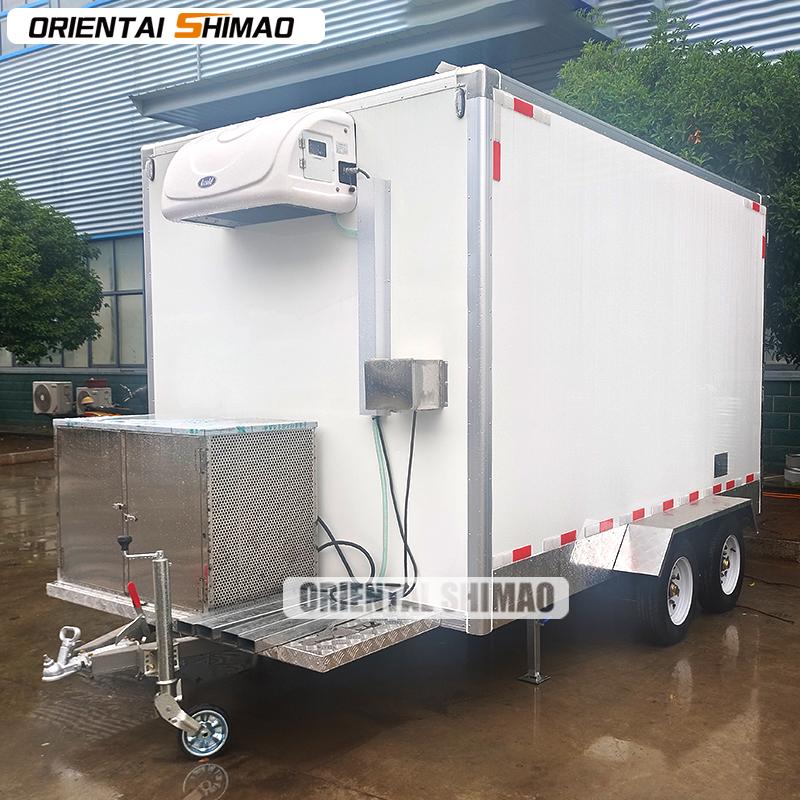
The realm of cold storage trailers has undergone a transformative shift with the integration of cutting-edge technologies that prioritize efficiency and sustainability. From smart temperature controls that adapt in real-time to environmental changes to energy-efficient refrigeration units powered by solar panels, these innovations ensure precise cargo preservation while reducing operational costs. For instance, advanced insulation materials and aerodynamic designs minimize heat transfer, allowing trailers to maintain consistent temperatures even in extreme weather conditions, which is crucial for perishable goods like pharmaceuticals and fresh produce.
Beyond basic cooling, modern trailers incorporate IoT sensors and telematics systems that provide comprehensive monitoring and data analytics. This enables logistics companies to track temperature fluctuations, humidity levels, and equipment performance remotely, facilitating proactive maintenance and reducing the risk of spoilage. Such technology not only enhances reliability but also supports compliance with stringent regulatory standards, making it easier to manage complex supply chains while ensuring product integrity from farm to table.
Looking ahead, the future of cold storage trailers is poised to embrace even more groundbreaking solutions, such as cryogenic cooling systems and AI-driven predictive models for optimizing energy use. These advancements promise to redefine cold chain logistics by offering unparalleled precision and adaptability, setting new benchmarks for industries reliant on temperature-sensitive transport. By leveraging these innovations, businesses can achieve greater operational efficiency and environmental sustainability, ultimately delivering fresher, safer products to consumers worldwide.
Custom-Built Refrigerated Trailers to Meet Specific Industry Demands
Imagine you're transporting delicate pharmaceuticals that require a precise, stable temperature, or maybe you're hauling fresh seafood across long distances where humidity control is critical. That's where custom-built refrigerated trailers come into play. These aren't just off-the-shelf solutions; they're engineered from the ground up to address the unique challenges of different sectors. For instance, a trailer for the food industry might include advanced air circulation systems to prevent hotspots, while one for medical supplies could integrate real-time temperature logging to comply with strict regulations.
What sets these trailers apart is the ability to tailor every aspect, from insulation materials and cooling units to internal configurations. In the floral industry, for example, trailers might be designed with specialized racks and humidity controls to keep bouquets fresh during transit, whereas in aerospace, they could handle sensitive components needing vibration dampening alongside refrigeration. This customization ensures that perishables or temperature-sensitive goods arrive in optimal condition, reducing waste and enhancing reliability for businesses that depend on flawless logistics.
Beyond functionality, custom-built refrigerated trailers offer a competitive edge by aligning with specific operational demands. They can be designed for fuel efficiency, durability in harsh climates, or ease of loading/unloading based on industry workflows. This flexibility not only meets but often exceeds standard requirements, providing solutions that generic trailers simply can't match. It's about crafting a trailer that feels like it was made just for your business, turning logistics from a challenge into a seamless part of your success story.
Top Suppliers for Efficient and Reliable Temperature-Controlled Transport
In today's global logistics landscape, maintaining precise temperature control during transport isn't just a nice-to-have—it's an absolute necessity for pharmaceuticals, perishable foods, and sensitive chemicals. The top suppliers in this field stand out by offering more than just refrigeration; they provide end-to-end solutions that include advanced monitoring systems, real-time tracking, and robust contingency plans. By leveraging cutting-edge technology and a deep understanding of regulatory requirements, these leaders ensure that goods arrive not only on time but also in perfect condition, minimizing spoilage and maximizing customer trust.
What truly sets the best temperature-controlled transport providers apart is their commitment to customization and reliability. They don't treat every shipment the same; instead, they tailor their services to the specific needs of each product, whether it requires ultra-low freezing or a narrow temperature range. This personalized approach, combined with a network of strategically located facilities and a fleet of modern, energy-efficient vehicles, enables them to handle even the most demanding routes. As a result, businesses can rest easy knowing their critical shipments are in expert hands, with transparent communication every step of the way.
Beyond efficiency, top suppliers prioritize sustainability and innovation to stay ahead of the curve. They invest in eco-friendly refrigeration units, solar-powered cooling systems, and biodegradable packaging, reducing environmental impact while maintaining high performance. By constantly refining their processes and embracing new technologies like IoT sensors and AI-driven analytics, these forward-thinking companies not only enhance reliability but also help clients navigate the complexities of global trade. Ultimately, choosing the right partner for temperature-controlled transport can be a game-changer, turning logistical challenges into competitive advantages for businesses worldwide.
Key Factors to Consider When Choosing a Refrigerated Trailer Partner
When you're in the market for a refrigerated trailer partner, a few key factors should top your list to ensure smooth operations. First, assess their reliability and uptime—ask about their maintenance schedules and response times for emergencies, as any breakdown can lead to costly product losses. Don't forget to check their fleet's age and condition; newer models often offer better temperature control and fuel efficiency. It's wise to request references or case studies, so you can hear directly from other businesses about their experiences with consistency and support.
Beyond just the trailers themselves, consider the partnership's flexibility and service scope. Look for a partner that can adapt to your seasonal needs or unexpected surges in demand, offering scalable solutions without long-term lock-ins. Pay attention to their technology, like real-time tracking and temperature monitoring systems—these tools can give you peace of mind by keeping you informed about your shipments. Also, evaluate their compliance with industry regulations, as this can prevent legal headaches down the line.
Finally, the financial aspects play a big role in your decision. Compare pricing structures to find one that balances cost with value, and don't overlook hidden fees like fuel surcharges or extra charges for specialized services. A good partner should provide transparent contracts and be willing to negotiate terms that align with your budget. By weighing these factors carefully, you'll be better equipped to choose a partner that not only meets your logistical needs but also contributes positively to your bottom line and brand reputation.
Sustainable and Eco-Friendly Options in Modern Refrigerated Trailers
In recent years, the push for sustainability in the transport industry has revolutionized refrigerated trailers, offering greener alternatives that cut emissions and boost efficiency. Manufacturers are increasingly integrating solar panels into trailer roofs, harnessing renewable energy to power refrigeration units during transit. This reduces reliance on diesel generators, slashing fuel consumption and greenhouse gas output. Some models even feature energy-recovery systems that capture waste heat, repurposing it to maintain temperatures—a clever twist that minimizes energy waste and operational costs.
Beyond energy sources, material innovation plays a key role in eco-friendly designs. Lightweight composite materials, such as advanced plastics and aluminum alloys, are being used to construct trailers, enhancing durability while reducing overall weight. This translates to lower fuel usage and extended vehicle lifespans. Additionally, new insulation technologies employ eco-conscious foams with low global warming potential, ensuring effective temperature control without the environmental harm of traditional refrigerants. These upgrades not only meet strict regulations but also appeal to companies aiming to shrink their carbon footprint.
Smart technology further elevates sustainability in modern refrigerated units. IoT sensors and AI-driven software monitor conditions in real-time, optimizing cooling cycles and alerting operators to inefficiencies before they escalate. This proactive approach prevents spoilage and curbs energy overuse, supporting a circular economy mindset. Pair this with aerodynamic designs that reduce drag, and you get trailers that move seamlessly, blending performance with planetary care. As demand for green logistics grows, these options set a new standard, making refrigerated transport both practical and planet-friendly.
FAQ
Companies like Wabash National, Utility Trailer, and Great Dane are widely recognized for their durable and efficient refrigerated trailers, offering a range of models to suit different cargo and temperature requirements.
They use advanced refrigeration units with precise temperature control systems, often powered by diesel or electric sources, and feature insulated walls to minimize heat transfer and ensure product freshness.
Yes, many suppliers provide customization for size, insulation levels, door types, and internal layouts, allowing businesses to tailor trailers to specific needs like multi-temperature zones or specialized storage.
Key considerations include the supplier's reputation for reliability, warranty and service support, trailer durability under various conditions, and cost-effectiveness compared to leasing or purchasing options.
Costs can range from $30,000 to over $100,000 depending on factors such as size, brand, customization, and technology features; comparing quotes and evaluating long-term operational savings is essential.
Traditional units can have high fuel consumption, but suppliers are increasingly offering eco-friendly alternatives like hybrid or electric refrigeration systems and trailers with improved aerodynamics to reduce emissions.
Conclusion
When seeking top refrigerated trailer suppliers for business needs, it's crucial to focus on leading manufacturers that cater to global logistics with robust and reliable designs. These suppliers excel in providing innovative cooling solutions, incorporating advanced technology to ensure precise temperature control in cold storage trailers, which is vital for maintaining product integrity during transport. Many also offer custom-built refrigerated trailers, tailored to meet specific industry demands, whether for pharmaceuticals, food, or other perishable goods. By partnering with top suppliers known for efficient and reliable temperature-controlled transport, businesses can enhance their supply chain efficiency and reduce spoilage risks.
Choosing the right refrigerated trailer partner involves considering key factors such as durability, maintenance support, and cost-effectiveness, alongside sustainable and eco-friendly options that modern trailers increasingly feature. These eco-friendly models not only help reduce environmental impact but can also lead to long-term savings through improved energy efficiency. Selecting a supplier that balances innovation with practicality ensures a competitive edge in today's market, making the investment in quality refrigerated trailers a smart move for any business relying on temperature-sensitive goods.
Contact Us
Contact Person: Jack Wang
Email: [email protected]
Tel/WhatsApp: 8618306483516
Website: https://www.orientalshimaofoodtruck.com