

Top Main Door Supplier: What to Look for in Quality and Style
2025-12-21
Choosing a main door that balances quality and style can be overwhelming with so many options out there. Whether you're aiming for modern elegance or classic durability, the right supplier makes all the difference. Among the names worth knowing, FANSI stands out for its commitment to craftsmanship and distinctive designs. But what exactly should you look for beyond the brochure? Let’s explore the key details that separate truly exceptional doors from the rest.
Material Matters: Picking the Right Substance for Your Entrance
When it comes to entrance design, the material you choose sets the tone for everything that follows. It’s not just about looks—although that’s a big part—but also about how the door stands up to weather, daily use, and the test of time. A flimsy material can quickly undermine an otherwise carefully planned entryway, while the right one adds both curb appeal and practical value.
Wood, for instance, brings warmth and classic charm, but it asks for regular maintenance to keep it from warping or fading. Fiberglass offers the look of wood without the hassle, resisting dents and insulating well, making it a favorite for busy households. Steel, on the other hand, is the security powerhouse, though it can be susceptible to scratches and rust if not properly coated. Each material has its own personality, and matching that personality to your climate and lifestyle is key.
Beyond the door itself, think about trim, thresholds, and any glass inserts. These elements also need to harmonize with the main material. A steel door with a poorly chosen frame might rattle in the wind, while a wood door with low-quality sealing can invite drafts. The goal is a cohesive assembly where every part works together, not just a pretty face that fails when the seasons change.
Craftsmanship Cues: Signs of a Well-Made Door
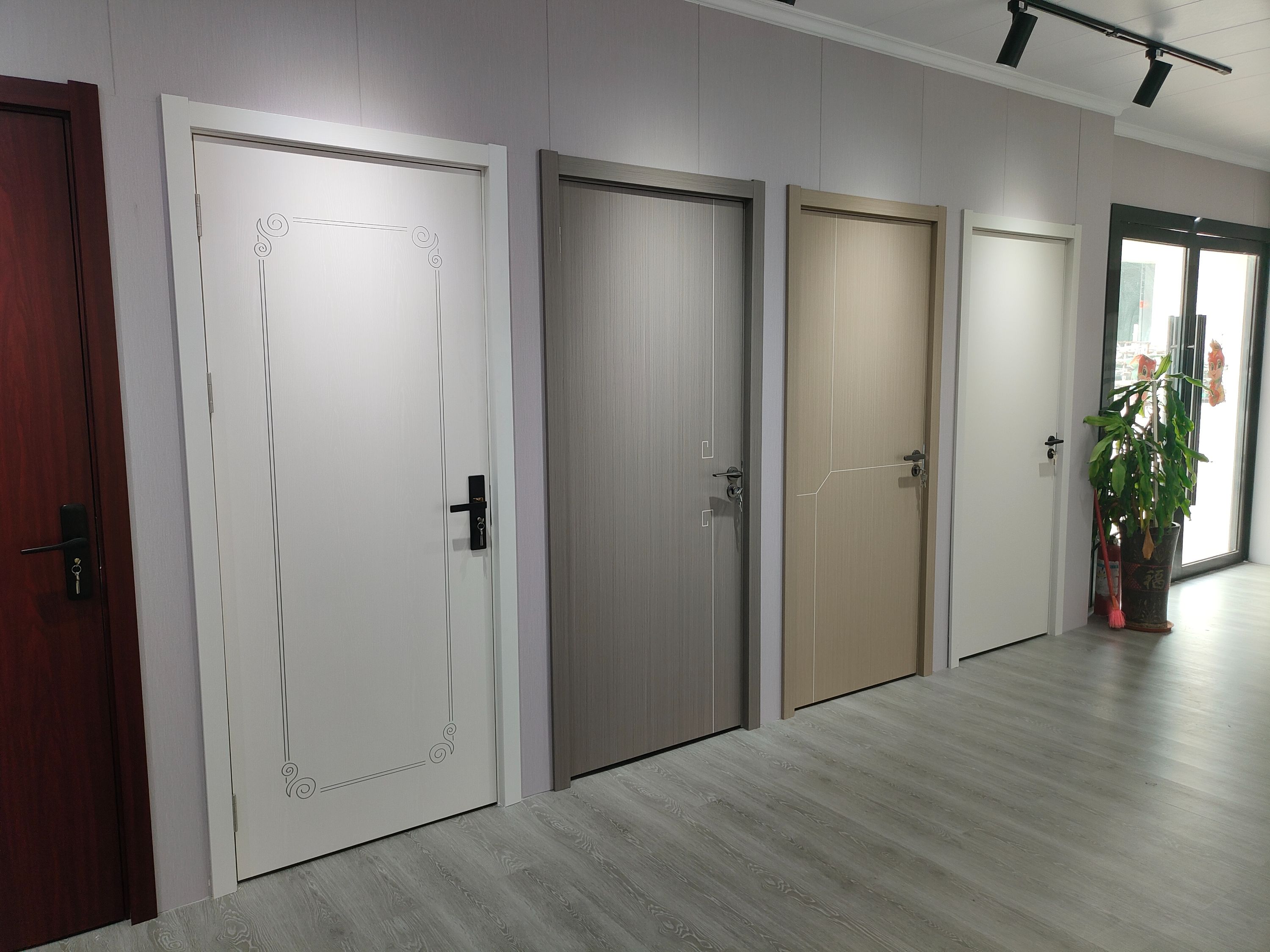
The weight of the door in your hand often tells the first story. A well-crafted door feels substantial—not just heavy, but balanced and smooth when you swing it open. Listen for the quiet, solid sound as it meets the frame; a hollow or tinny noise usually betrays a flimsy core. Edges should be crisp and clean, with no rough patches or visible glue lines. Take a close look at the corners where the stiles and rails meet. On a truly well-made piece, these joints are so tight you'd struggle to slip a piece of paper between them.
Details separate the exceptional from the merely adequate. High-quality doors often use mortise-and-tenon joinery, reinforced with dowels or wedges—a technique that has endured because it works. You might spot a slight bevel on the leading edge, designed to help the door close gracefully without catching on the jamb. Hardware alignment speaks volumes: if the hinges are deeply recessed and perfectly flush with the surface, someone took their time. Also, note the finish. It should be even, with no drips or cloudy spots, and the grain of the wood should still be visible and inviting to the touch, not buried under a plastic-like coat.
Finally, step back and consider the proportions. A door that's carefully hung will reveal consistent gaps—usually about the thickness of a nickel—between the slab and the frame on all sides. When you close it, there should be no light peeking through, and the latch should engage with a soft, confident click. These small tests of precision are the fingerprints of a skilled craftsperson. Whether it's a solid wood masterpiece or a more modern engineered design, these cues are universal. They show a respect for materials and a commitment to longevity that cheap, mass-produced doors simply can't fake.
Design Details That Define Your Home’s Personality
A home tells a story, and it's the smallest details that whisper the loudest truths about who lives there. An arched doorway might nod to a love of old-world romance, while a brushed brass handle on a kitchen cabinet suggests an eye for quiet luxury. Pay attention to the edges—the trim on a cushion, the taper of a table leg, the way a lampshade diffuses light. These choices aren't just decorative; they're declarations of taste, gathered over time rather than dictated by a catalog.
Materials carry memory. Hand-glazed tiles on a bathroom floor catch the light differently each hour, much like worn leather on a favorite chair deepens with age. Mixing textures—say, a nubby wool throw against smooth linen upholstery—creates a tension that draws people in. It's in the imperfect seams and the patina of a brass faucet where personality truly resides, far from the polish of mass-produced perfection.
Even the hidden corners contribute to the whole. The discreet drawer pull that fits your hand just right, the shadow line of a skirting board, the subtle color shift between adjoining rooms—these quiet moves choreograph how you experience space. Your home's personality isn't a style label; it's a collection of deliberate, sometimes quirky decisions that make a room feel undeniably yours.
Hardware Harmony: Knobs, Hinges, and Finishing Touches
In the world of interior design, it’s often the smallest details that carry the most weight. Knobs and hinges might seem like afterthoughts, but they’re the silent narrators of a space’s character. A well-chosen knob does more than open a door; it invites touch, adding a tactile layer that complements the visual story of the room. Similarly, hinges—once purely functional—now come in finishes and styles that can either blend seamlessly or stand out as intentional accents.
Creating harmony among these elements means thinking beyond individual pieces. Finishing touches like backplates, catches, and even the sheen of metal against wood or paint color need to be considered as part of a cohesive whole. Mixing metals can feel dynamic, but it requires a careful balance to avoid visual noise. The goal is a subtle rhythm—where everything feels quietly resolved.
Ultimately, hardware harmony is about intentionality. When each component, from the turn of a latch to the profile of a handle, is chosen with care, the space gains a sense of completeness. It’s not about matching perfectly, but about creating a dialogue between elements that enhances the overall atmosphere without demanding attention.
Security with Subtlety: Safety Features That Don’t Sacrifice Style
In an age where peace of mind matters as much as aesthetics, the latest security innovations prove that safety doesn’t have to be an eyesore. Sleek, low-profile cameras blend into modern architecture, while discreet sensors and alarms integrate quietly into daily life. From doorbells to window locks, every piece is designed to complement rather than clash with your home’s personality.
The beauty lies in the details—finishes in brushed metal, matte black, or soft white that match your hardware, fingerprint scanners disguised as subtle panels, and motion detectors that look more like minimalist decor than tech. Even the software side gets a stylish upgrade: intuitive apps with clean interfaces let you monitor everything without the clutter, making you wonder why safety was ever so bulky in the first place.
Ultimately, the goal is invisible protection—strong, smart, and utterly unobtrusive. When guests visit, they’ll notice your great taste, not your security system. And that’s exactly the point: feeling safe without being reminded you’re being protected.
Weathering the Elements: Durability and Insulation Insights
When nature unleashes its full force, from biting winter gusts to scorching summer heat, the true test of any structure or outdoor gear lies in its ability to stand firm. Durability isn't just about toughness—it's about how well materials resist gradual breakdown from UV rays, moisture, and temperature swings. Insulation plays a silent yet critical role here, acting as a buffer that not only keeps interiors comfortable but also shields against structural stress caused by thermal expansion and contraction.
Modern solutions often blend advanced polymers with traditional, time-tested materials to create barriers that repel water while allowing vapor to escape, preventing rot and mold. The key insight? Effective insulation doesn't just trap heat; it manages moisture and adapts to shifting conditions, ensuring that a wall, roof, or shell never becomes a liability. Choosing the right combination can mean the difference between frequent repairs and decades of reliable performance.
FAQ
Look at the materials and construction. Solid wood or reinforced steel with a sturdy core typically holds up better than hollow alternatives. Check for seamless welding or joinery, weather-resistant finishes, and a warranty that covers warping or rust for at least a decade.
Focus on timeless elements like balanced panel proportions, classic glass inserts with beveled edges, and hardware finishes such as brushed nickel or aged bronze. Avoid overly ornate patterns or flashy colors that might date your home in a few years.
Often yes if your doorway doesn't match standard dimensions. Custom sizing ensures a snug fit that improves insulation and security, preventing drafts and potential forced-entry risks. Off-the-shelf doors sometimes need extensive frame adjustments, which add to labor costs.
Crucial, especially if your foyer faces direct sun or harsh winters. Look for doors with thermal breaks, foam insulation cores, and double or triple glazing if you include glass. A well-insulated door keeps heating and cooling bills in check while maintaining indoor comfort.
Beyond a deadbolt, examine the strike plate and hinges. Reinforced metal strike plates with long screws deep into the frame resist kick-ins. Hinges should be non-removable from the outside. Also consider laminated glass or a multi-point locking system for added peace of mind.
Ask for a portfolio of previous installations, especially on homes similar to yours. A knowledgeable supplier will suggest door styles that complement your era of construction—be it Craftsman, mid-century, or colonial—without pushing a one-size-fits-all option. They should also offer finish samples to match trim and hardware.
Absolutely. Fiberglass doors mimic wood grain convincingly and require little more than occasional cleaning. Composite materials resist dents and scratches. For a grand look, choose a design with tall vertical panels and a transom window, but ensure all materials are rated for outdoor exposure without frequent repainting.
Pressure to commit without a detailed written quote, reluctance to provide local references, or a showroom displaying only pristine models without real-world examples. Also, vague answers about installation standards—like whether they use spray foam insulation around the frame—can signal corners being cut.
Conclusion
Choosing a main door from a top supplier is about more than just curb appeal—it’s a balance of material integrity and skilled craftsmanship that sets a quality entrance apart. Materials like solid wood, reinforced steel, or fiberglass each bring distinct advantages in durability and insulation, but the real mark of excellence lies in the joinery and finishing: seamless edges, consistent grain alignment, and a weight that reassures without overwhelming the hinges. Design details should echo your home’s personality, whether through clean modern lines, classic paneling, or custom glass inserts that filter light while maintaining privacy, all crafted in proportions that feel intentional rather than off-the-shelf.
Beyond the surface, hardware choices—from handles to hinges—must harmonize with the overall style while offering a tactile sense of sturdiness, and subtle security features like multi-point locks and reinforced cores integrate without disrupting the visual flow. A door from a supplier who truly understands quality will also stand up to the elements, with weatherstripping and thermal breaks that keep drafts and energy loss at bay, ensuring your entrance remains as functional as it is beautiful through every season. It’s this seamless fusion of aesthetic confidence and behind-the-scenes resilience that distinguishes a thoughtfully chosen door from a mere placeholder.
Contact Us
Contact Person: Liam
Email: [email protected]
Tel/WhatsApp: (+86)16658531012
Website: https://www.fansifiredoor.com