

Top Floor Grinding Machine Makers You Should Know for Reliable Surface Preparation
2026-09-11
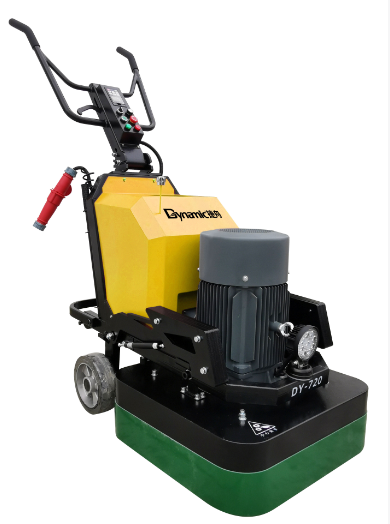
If you've ever watched a floor grinder bog down halfway through a pour, you already know: surface preparation lives and dies by the machine you choose. The best floor grinding machine makers don't just sell horsepower—they engineer consistency into every pass. In this roundup, we look at the names that actually deliver on reliable surface preparation, including Dynamic, a brand that's been quietly building a reputation on job sites where second chances aren't an option.
The Floor Grinder Builds That Survive Rental Abuse and Still Hold Tolerance
Rental fleets see everything from first-time operators dropping the machine off a truck gate to concrete dust packed into every vent. The grinders that last are the ones where the frame doesn't flex under a heavy pass, the motor mounts are isolated enough to keep vibration from walking bolts loose, and the wiring isn't routed where a snagged cord can tear it out. It's not about adding weight for the sake of it; it's about putting that weight where it resists torsion and impact instead of just making the unit harder to haul.
Tolerance is the part most people don't think about until a rental customer complains that the floor has waves. A head that's held in place by a cheap sleeve bearing will start to wobble after a few hundred hours, and then every pass cuts uneven. The builds that survive keep the grinding head rigid with tapered roller bearings or a bolted flange that doesn't rely on a single set screw. Planetary drives get sealed against the fine silica that grinds away exposed gears. If the machine can come back from a month of abuse, run a straightedge over the floor, and still leave a surface flat enough for polished concrete, that's the difference between a rental-ready grinder and something that only works on a demo floor.
Manufacturers Treating Dust Extraction as Part of the Grinding Head, Not an Add-On
A growing number of manufacturers have stopped treating dust extraction as a bolt-on accessory for angle grinders. Instead, they are building the suction path directly into the grinding head housing. The result is a tool where the dust port, airflow channels, and shroud geometry are all designed together from the start.
This integrated approach changes how the tool feels in use. There is no external hood to snag on edges or add weight at the front. The suction inlet sits close to the grinding disc and follows the head’s rotation, so even when you tilt the tool for edge work, the airflow still captures debris at the source. Shorter internal channels also mean less chance of clogs from fine dust or larger chips.
On the job site, the difference shows up quickly. Operators spend less time sweeping up afterwards, and the abrasive discs stay cooler and last longer because they are not grinding through a layer of packed dust. For manufacturers, integrating extraction into the head reduces the number of separate parts they have to produce and support, while helping users meet workplace exposure limits without having to piece together third-party solutions.
Why Some Surface Prep Brands Prioritize Operator Comfort Over Spec-Sheet Numbers
Walk onto any job site and ask a seasoned finisher what matters most about a grinder or sander. Rarely will they quote the rpm range or the abrasive removal rate first. They'll talk about how the tool feels after hour three—whether the vibration numbs their hands, whether the grip forces an awkward wrist angle, whether the weight makes their shoulder ache. Brands that pay attention to these complaints have started designing around the operator's body instead of chasing data that looks impressive on a cut sheet.
The logic is simple. Spec-sheet numbers are measured under controlled conditions, often by machines or in short bursts. Real surface prep work involves long passes, overhead work, edges, and uneven substrates. An operator who is fighting discomfort will constantly adjust pressure, speed, and angle, which undermines those very numbers. A tool that reduces fatigue lets the user maintain consistent contact, so the actual finished surface ends up closer to the ideal the spec sheet promises.
There's also a retention angle. Skilled operators are in short supply, and they talk. If a brand's tools cause tendonitis or back strain, word spreads fast. Companies that prioritize comfort are buying loyalty—not through marketing, but through the simple fact that their equipment doesn't punish the person holding it. That's a spec you won't find in a PDF, but it shows up in repeat orders and lower injury rates.
The Concrete Floor Grinder Makers With a Real Dealer Network for Repairs
A concrete floor grinder is a serious piece of equipment, and when it breaks mid-job, the last thing you want is to crate it up and ship it across the country. That's where a genuine dealer network makes the difference. Manufacturers who invest in authorized local dealers usually stock common wear parts, have trained technicians, and can handle most repairs without waiting for parts to clear customs. It may not sound exciting, but it's the reason some crews are back grinding the next morning while others are still on hold.
Not every brand that claims a service network actually has one. You can spot the real ones by asking a few pointed questions: Does the dealer have a repair bench or just a sales counter? Are their techs trained on the specific models you're running? Can they pull up a wiring diagram or replace a gearbox on-site? A shop that can't answer these is likely just moving boxes, and that means your "warranty" is only as good as your ability to troubleshoot over the phone.
The practical upside is downtime measured in hours instead of weeks. A grinder down for two weeks can eat the profit from an entire project. With a real dealer network, you might get a loaner unit, a same-week repair, or at least a straight answer about what failed. That kind of support becomes part of the machine's true cost, and experienced contractors factor it in before they ever swipe a card.
How Leading Manufacturers Handle Coating Removal Without Changing Machines
Leading manufacturers often sidestep machine replacement by retrofitting existing production cells with modular stripping heads that mount directly onto current robots or gantries. They tune laser parameters or blast media pressure on the fly, so the same fixture that applies a coating can also remove it after a process change or rework cycle.
In many machining facilities, the trick is to treat coating removal as another tool in the magazine. A compact laser ablation unit or rotary brush head with the same taper as a standard tool holder gets picked up by the spindle, letting the CNC run a stripping routine between cutting operations without any mechanical changeover. The controller switches coolant, air, and speed settings automatically.
For chemical or thermal methods, leading plants adjust dwell time, temperature, and concentration within their existing washing or curing tunnels instead of installing dedicated stripping lines. They select chemistries or thermal cycles that are aggressive to the coating but mild enough for the current equipment, so a single conveyor or immersion tank handles both cleaning and coating removal across multiple product families.
What Sets Apart the Companies That Test Their Grinders on Real Jobsite Concrete
Plenty of manufacturers can point to lab data showing their grinder holds a certain RPM under load, but that tells you almost nothing about what happens when the machine hits a patch of river rock aggregate or a floor slab that has been patched three times over two decades. The companies worth paying attention to are the ones who drag prototypes onto active job sites, hand them to operators who have been grinding concrete for fifteen years, and then stand back and take notes. They learn things no test bench can teach: how the dust seal holds up after eight hours of silica fines, whether the handle geometry causes wrist strain during long passes against a wall, and whether the motor brushes survive the voltage drops common on temporary power poles.
This kind of testing forces a different design philosophy. When you know your machine will be opened up and inspected after a week of real abuse, you stop hiding weak points behind plastic covers. You start using serviceable bearings, accessible belt tensioners, and dust ports that actually stay connected when the hose gets yanked. The feedback loop is short and brutally honest—a cracked housing or a burned-out switch shows up within days, not months, so the next revision happens before the product ever reaches a distributor's shelf. Companies that skip this step end up shipping grinders that look great in a demo video but fall apart once they meet the unpredictability of a renovation site.
The difference becomes obvious to anyone who runs these machines side by side. A grinder that survived real job-site testing will maintain consistent pressure without the operator fighting a wandering head, and it won't shut down from thermal overload halfway through a 2,000-square-foot polish. The companies behind these tools tend to build quieter relationships with contractors too—they ask about blade wear patterns, they want photos of failed parts, and they treat every returned unit as free R&D. Over time, that reputation travels through word of mouth faster than any spec sheet. It's the reason some brands are quietly trusted by crews who refuse to touch anything else, while others are only remembered for a warranty phone number nobody answers.
FAQ
Husqvarna, Lavina, and Blastrac consistently show up on contractor shortlists. Husqvarna's PG series is often praised for its planetary head balance, Lavina machines tend to be favored by polishing crews for their tool flexibility, and Blastrac has a strong track record with shot blasting and heavy removal systems.
Look at the frame construction and the way the grinding head transfers weight to the floor. Machines with a rigid chassis and adjustable head pressure let you work faster without bouncing or leaving swirl marks. Also check whether the motor is sealed against fine concrete dust, as many early failures trace back to dust getting into the windings.
Quite a bit. Some brands like Scanmaskin and Husqvarna design their shrouds and vacuum ports as a matched system, which keeps airflow high enough to pull dust from the edge of the grinding path. Others rely on generic shrouds that leak around the perimeter, forcing you to run an oversized vac just to keep the air clear.
Not always. Planetary heads give you a flatter finish with less scratching, which is why Lavina and HTC machines dominate the polishing side. But for aggressive removal of thick coatings or glue, a single-head rotary grinder from Edco or a shot blaster from Blastrac can cut faster and with less tool wear.
Blow out the motor compartment after each job, check the grinding disc locks before every start, and replace the skirt seals as soon as they get stiff. Many contractors ignore the gearbox oil until it turns black, and changing it once a season prevents the kind of bearing failure that takes a machine out of service for weeks.
Husqvarna and Blastrac stand out because they run regional training centers and have dealer networks that stock wear parts. Lavina's support tends to come through experienced distributors rather than a direct channel, so ask who handles warranty service in your area before buying.
It is possible with a variable-speed planetary grinder and a full set of diamond tooling, but the trade-off is time. You will burn through metal-bond tools on thick epoxy and then need a separate set of resin pads for polishing. Most pros keep a dedicated heavy removal unit and a lighter polisher to avoid swapping setups mid-job.
They focus on horsepower and ignore torque at low RPM, which matters more for grinding under load. Another pitfall is buying a machine without checking the cost and availability of diamond tooling, as some imported brands have cheap machines but expensive proprietary segments that wipe out the savings within a year.
Conclusion
The brands worth paying attention to in surface prep aren't the ones chasing horsepower figures. They're the companies that build machines tough enough to bounce around rental fleets and still grind flat within tolerance. That kind of durability comes from heavy-duty frames, sealed bearings, and gearboxes that don't need constant adjustment. At the same time, these makers treat dust extraction as part of the grinding head itself. Proper shrouding, integrated vacuum channels, and well-placed ports keep the work area clean and protect the operator's lungs without forcing you to bolt on aftermarket accessories. You'll notice their designs also lean toward operator comfort: lower vibration handles, adjustable weight distribution, and controls that don't require leaving the machine. Those choices don't always make the spec sheet look better, but they make a ten-hour shift far more productive.
Another sign of a serious manufacturer is a real dealer network. When a motor fails mid-job, you don't want to ship the unit back to a warehouse; you want a local shop that stocks parts and knows how to swap them. Leading floor grinder makers back their machines with accessible service, training, and loaner units for major breakdowns. They also understand that coating removal shouldn't mean buying a second machine. The best grinder platforms handle glue, epoxy, paint, and thin membranes with the right tooling and aggressive enough weight, without requiring you to switch to a scarifier or shot blaster. Finally, the companies that stand out are the ones that test on real jobsite concrete, not just in a clean lab. They run their prototypes across uneven slabs, old curing compounds, and hard aggregate to make sure the machine holds line pressure, doesn't chatter, and keeps dust under control. That kind of field validation separates dependable surface prep tools from showroom floor queens.
Contact Us
Contact Person: Annie
Email: [email protected]
Tel/WhatsApp: 8613391442963
Website: https://www.dynamic-eq.com