

Top 10 Water Treatment Chemical Raw Materials You Should Know
2026-06-21
Water treatment is a complex field where the right raw materials can make all the difference. Whether you're optimizing industrial processes or ensuring safe drinking water, knowing the essential chemicals is key. In this post, we’ll explore the top 10 water treatment chemical raw materials that industry experts rely on, including insights from EVO—a trusted partner in high-purity solutions. Get ready to discover what truly drives efficiency and reliability in modern water treatment.
The Backbone of Clean Water: Essential Chemical Raw Materials Explained
Behind every glass of clear, safe drinking water lies a carefully orchestrated chemical process. The raw materials used in water treatment are far from glamorous, yet they perform the heavy lifting—coagulating impurities, neutralizing threats, and polishing the final product. Understanding these substances reveals how we transform contaminated sources into a reliable supply that protects public health.
Aluminum sulfate and ferric chloride serve as primary coagulants, clumping together suspended particles so they can be filtered out. Activated carbon, often derived from coconut shells or coal, then adsorbs organic compounds and unpleasant tastes or odors. Chlorine and chloramine remain the workhorses of disinfection, while lime and soda ash adjust pH and soften hard water. Each material has a precise role, and their careful dosing is what turns murky inflows into output that meets stringent standards.
The selection and handling of these chemicals also shape the sustainability of a treatment plant. Modern facilities increasingly explore alternatives like polyaluminum chloride for reduced sludge or ultraviolet light to cut down on chlorine byproducts. Still, the fundamental chemistry hasn't changed: effective water purification depends on a delicate balance of these essential raw materials, proving that clean water is truly built from the ground up.
From Coagulants to Corrosion Inhibitors: A Closer Look at Water Treatment Chemicals
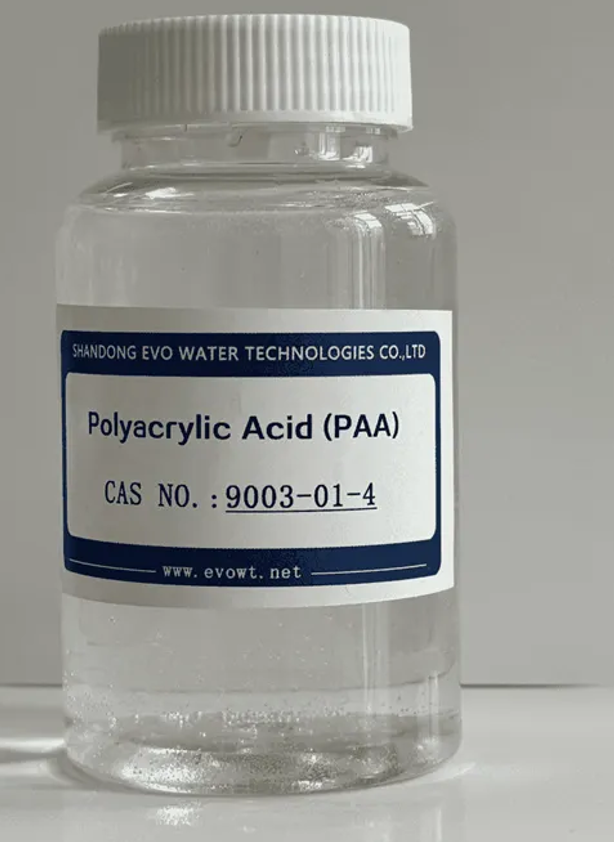
Water treatment relies on a diverse set of chemicals, each targeting specific impurities. Coagulants like alum or ferric chloride are often the first step, clumping fine particles together so they can be settled or filtered out more easily. Without them, suspended solids would simply pass through, leaving water cloudy and unsafe.
As the process moves further downstream, the focus shifts from physical separation to chemical protection. Corrosion inhibitors, including phosphates and silicates, form a thin barrier inside pipes to prevent metal from leaching into the supply. This not only extends infrastructure life but also keeps tap water free of unwanted metals like lead or copper.
Between these stages lie oxidizers, pH adjusters, and disinfectants—each with a precise role. The real challenge is balancing their dosages against shifting raw water quality, all while meeting tighter regulatory limits. A slight overdose can do more harm than good, so treatment plants constantly tweak their recipes based on seasonal changes and real-time monitoring.
Why Choosing the Right Chemical Supplier Matters for Water Quality
The purity and consistency of treatment chemicals directly shape the safety of the water we rely on every day. When a supplier cuts corners with substandard or off-spec products, the consequences can quietly slip past routine checks, leading to corrosion, biofilm buildup, or incomplete disinfection. It’s not just about meeting minimum standards—it’s about trusting that each shipment won’t introduce unexpected variables into a finely balanced process.
Beyond the chemicals themselves, a supplier’s technical insight is what often keeps small issues from becoming emergencies. A partner who understands your system’s quirks can flag seasonal shifts in source water or recommend adjustments before a problem shows up in the lab. That kind of relationship turns a transactional purchase into a real layer of protection for public health.
Innovations Reshaping Water Treatment: New Materials on the Horizon
Water treatment is undergoing a quiet revolution, driven by materials that challenge decades-old assumptions. Graphene oxide membranes, for instance, can filter salts and pollutants with far less energy than traditional reverse osmosis, while leaving behind a minimal carbon footprint. Researchers are also looking at bio-inspired designs—like the aquaporin proteins in cell walls—to craft synthetic channels that whisk water molecules through while blocking everything else.
Another frontier is metal-organic frameworks (MOFs), crystalline sponges that trap heavy metals or break down organic contaminants when triggered by light. These materials aren't just lab curiosities; pilot plants are now testing MOFs for removing arsenic and pharmaceuticals from drinking water. Meanwhile, covalent organic frameworks (COFs) offer tunable pore sizes, potentially targeting specific pollutants without the waste streams associated with granular activated carbon.
The shift isn't solely about performance. New materials also promise to slash chemical use and maintenance costs. Self-cleaning membranes coated with titanium dioxide, for example, degrade foulants under UV light, extending operational life. While scalability remains a hurdle, the convergence of materials science and water engineering is inching us closer to treatment systems that work harder, last longer, and demand less from the planet.
Understanding Dosage and Safety: Key Factors in Chemical Water Treatment
Getting the chemical dosage right isn’t just a matter of following a recipe—it’s a delicate balance that directly impacts treatment effectiveness and operational costs. Underdosing leaves harmful contaminants untouched, while overdosing can create its own set of problems, from corrosion and scaling to regulatory non-compliance. The key lies in understanding the specific water chemistry and continuously adjusting dosage rates based on real-time parameters like flow, pH, and contaminant levels.
Safety in chemical water treatment extends far beyond wearing gloves and goggles. It involves a comprehensive approach to handling, storing, and feeding hazardous substances like chlorine, acids, or coagulants. Every chemical demands a thorough risk assessment: some release toxic gases if mixed improperly, others degrade storage tanks, and many pose serious health risks during accidental spills. Proper ventilation, secondary containment, and clear emergency protocols aren’t optional extras—they’re the minimum baseline for protecting personnel and the surrounding environment.
A process that works flawlessly in winter can fail miserably in summer. Temperature swings alter chemical reaction rates and solubility, while changes in raw water turbidity or organic load directly affect how much coagulant or oxidant you actually need. Even the age of dosing pumps and the layout of injection points play a subtle but important role. Regularly revisiting these variables and maintaining flexible dosing strategies helps ensure that treatment stays both effective and safe, regardless of season or source water shifts.
Economic and Environmental Impacts of Your Water Treatment Chemical Choices
Every water treatment decision comes with a price tag—but the hidden costs of poor chemical choices often outweigh the savings. Aggressive or poorly matched chemicals can accelerate corrosion in pipes and equipment, leading to unplanned downtime and expensive repairs. On the other hand, overdosing or using broad-spectrum biocides when a targeted solution would suffice can strain operational budgets without delivering proportional benefits. The real economic impact shows up in energy efficiency losses, reduced asset lifespan, and even regulatory fines if discharge limits are breached. Smart selection, guided not just by unit price but by total cost of ownership, shifts the balance from reactive spending to long-term savings.
Beyond the balance sheet, environmental consequences ripple outward from every drum or tote of treatment chemicals. Phosphates and nitrates, for instance, might keep scale under control but can fuel eutrophication when released into natural water bodies. Biocides that aren't readily biodegradable can persist in the environment, harming non-target organisms and disrupting local ecosystems. There's also the carbon footprint of production and transportation to consider—a factor often overlooked when choosing between concentrated or dilute formulations. Environmentally conscious water treatment doesn't just mean switching to 'green' labels; it means reevaluating the entire lifecycle, from raw material sourcing to disposal practices, to minimize the ecological burden.
Striking a balance between economic and environmental priorities can feel like a tightrope walk, but the right chemical choices often serve both masters. Advanced cooling water programs that allow higher cycles of concentration reduce water withdrawal, cut chemical usage, and lower operational costs simultaneously. Innovations like on-site generation of disinfectants eliminate transportation emissions and packaging waste while delivering just-in-time treatment. When you factor in the avoided costs of environmental compliance, community goodwill, and resource conservation, it becomes clear that sustainable chemical strategies are not an expense but an investment in operational resilience and reputation.
FAQ
Several key chemical raw materials stand out, including aluminum sulfate (alum), chlorine, polyaluminum chloride (PAC), ferric chloride, activated carbon, sodium hydroxide, calcium hypochlorite, and ion exchange resins. Each serves a unique purpose, from coagulation and disinfection to pH adjustment and contaminant adsorption.
Aluminum sulfate, or alum, acts as a primary coagulant. When added to water, it forms sticky flocs that trap suspended particles, making them easier to remove through sedimentation and filtration. It's cost-effective and widely available, which explains its popularity in municipal treatment plants.
Chlorine destroys harmful microorganisms by penetrating their cell walls and disrupting vital enzymes and metabolic processes. It also provides residual protection, preventing recontamination as water travels through distribution systems.
Polyaluminum chloride (PAC) is a pre-hydrolyzed aluminum salt that performs well across a broader pH range and produces less sludge than alum. It forms denser, faster-settling flocs, making it especially useful in low-temperature or turbid water treatment without the need for extra alkalinity adjustment.
Activated carbon has a highly porous surface that adsorbs organic compounds, chlorine byproducts, and taste-and-odor-causing substances. It's commonly available in granular (GAC) or powdered (PAC) forms and is particularly effective for removing dissolved pollutants that traditional filtration misses.
Sodium hydroxide, or caustic soda, is primarily used to raise pH levels in acidic water. It helps stabilize water chemistry, reduce pipe corrosion, and optimize conditions for other treatment processes like coagulation and disinfection.
Ferric chloride is a versatile coagulant that works effectively over a wide pH spectrum and is efficient at removing phosphorus and heavy metals. It creates robust flocs that settle quickly, which is especially beneficial in industrial and municipal wastewater streams where high-strength contaminants are present.
Ion exchange resins swap hardness ions like calcium and magnesium with sodium or hydrogen ions. As hard water passes through a resin bed, the resin beads attract and hold the calcium and magnesium, effectively softening the water and preventing scale buildup in pipes and appliances.
Conclusion
Water treatment hinges on a handful of chemical raw materials that work behind the scenes to deliver safe, clear water. Coagulants like aluminum sulfate and ferric chloride kick off the process by clumping together suspended particles, making them easy to filter out. Then, flocculants such as polyacrylamide create larger aggregates, speeding up sedimentation. Disinfectants—think chlorine and sodium hypochlorite—wipe out harmful pathogens, while pH adjusters like lime and sulfuric acid keep the water chemistry balanced so other chemicals perform optimally. Beyond purification, corrosion inhibitors like orthophosphates shield pipes from rust, and scale inhibitors prevent mineral buildup that clogs systems. Understanding how each raw material functions isn’t just academic—it directly influences dosage precision, safety protocols, and the final water quality you can achieve.
The choice of supplier for these chemicals ripples into both economics and environmental impact. A reliable source ensures consistent purity and timely delivery, reducing waste and avoiding overdosing that can harm aquatic ecosystems. Recent innovations are reshaping the field: bio-based coagulants from plant extracts and engineered nanomaterials promise lower toxicity and higher efficiency. Meanwhile, smart dosing systems use real-time data to fine-tune chemical amounts, cutting costs and minimizing leftover residues. Every decision, from selecting a traditional coagulant to trying a novel corrosion inhibitor, carries trade-offs between upfront price, long-term equipment preservation, and the footprint left on local waterways. Mastering these top ten raw materials means balancing technical know-how with a sharp eye on sustainability—a responsibility that defines modern water treatment.
Contact Us
Contact Person: Fiona Su
Email: [email protected]
Tel/WhatsApp: 8619963724144
Website: https://www.evo-chemical.com/