

Top 10 High Pressure Membrane Filter Press Systems for Efficient Solid-Liquid Separation
2026-08-07
Solid-liquid separation challenges demand robust solutions, but not all filter press systems are created equal. We've curated the top 10 high-pressure membrane filter press systems that deliver unmatched efficiency, with Sinou leading the pack through innovative design and reliable performance. Curious which other brands made the list? Read on for a breakdown that could transform your dewatering operations.
What Really Happens Inside a High Pressure Membrane Filter Press
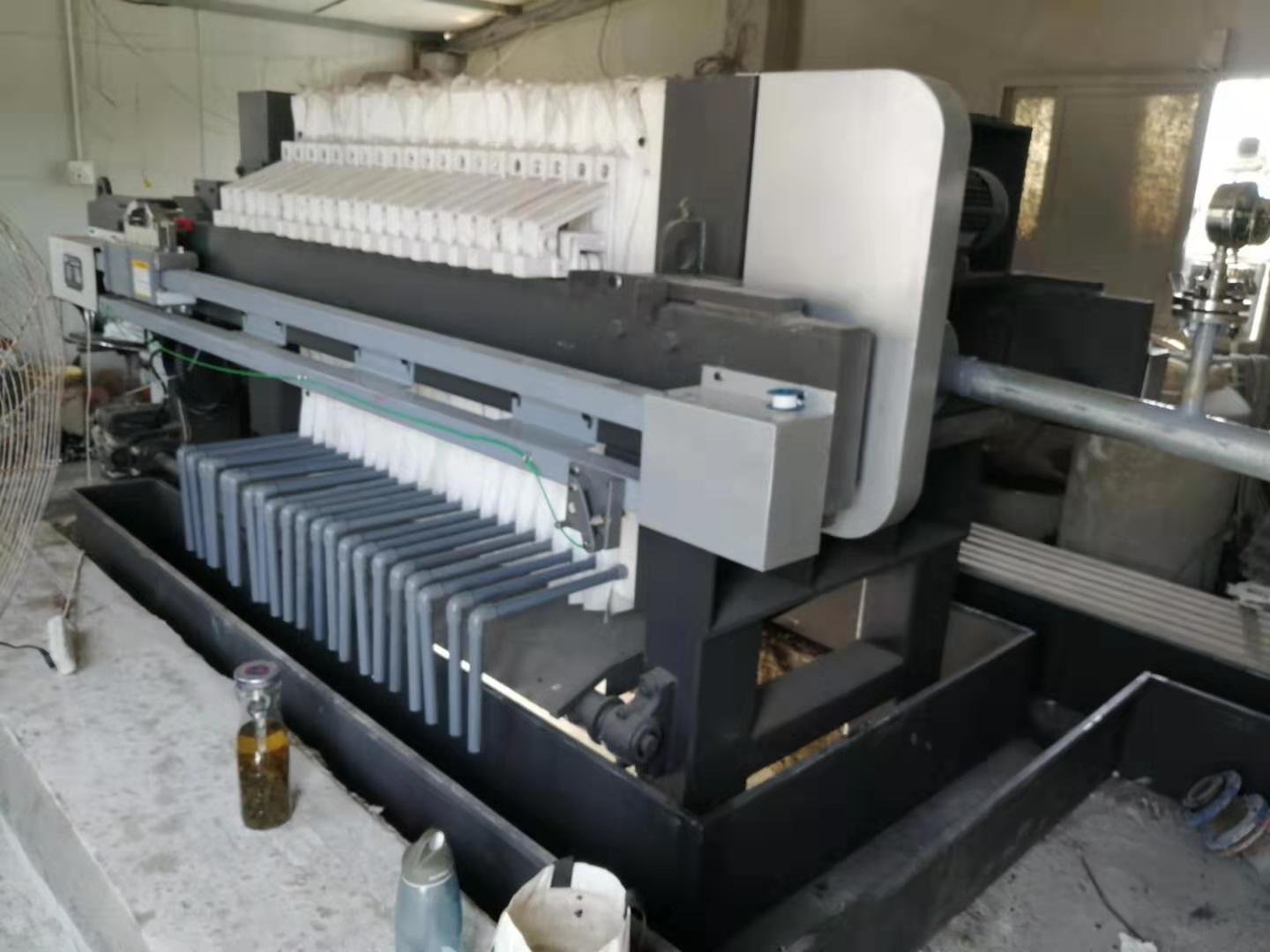
Inside a high pressure membrane filter press, the process begins with slurry being pumped into the chambers formed by recessed plates. At first, hydraulic pressure simply drives the liquid through the filter cloth, leaving a thin layer of solids. As the cake builds, resistance increases, but the real differentiation comes when the membranes inflate. Unlike standard presses that rely solely on feed pressure, the membrane system introduces a second, more intense compression phase that squeezes the cake from one or both sides, forcing out moisture trapped in the pore structure.
What sets this operation apart is the way pressure is transferred uniformly across the entire surface of each chamber. The elastic membrane, typically made of polypropylene or a similar polymer, conforms to the uneven cake surface, eliminating bypass channels and ensuring that even the sticky, gelatinous materials surrender their water. In many cycles, this mechanical squeeze can push the dryness of the cake far beyond what vacuum or centrifugal methods achieve, often hitting solids concentrations that make the cake self-supporting and ready for disposal or further processing without a drying step.
Beyond just water removal, the pressurized environment alters the behavior of the solid-liquid mixture at a microscopic level. Bridging and internal friction within the cake are minimized as the uniform load reorganizes particles into a denser packing arrangement. At the same time, air can be introduced behind the membrane to force residual filtrate out of the discharge channels, leaving the press virtually free of free moisture. The result is not just a drier cake but a faster, more predictable cycle that handles high-clay slurries or industrial sludges with a consistency that traditional equipment can’t match.
Slashing Operational Costs Without Sacrificing Output Quality
Operational efficiency isn’t just about buying cheaper supplies or squeezing vendor margins—it’s about rethinking how work flows through your organization. We’ve seen teams slash material waste by 17% simply by relocating workstations to minimize travel time between tasks. Another underrated lever? Standardizing digital file structures so nobody wastes 20 minutes searching for the latest version of a specs sheet. These small changes compound fast, trimming overhead without touching a single line item in your quality budget.
Most companies accidentally bake quality risks into their cost-cutting plans. The counterintuitive fix is to invest in precision where it looks expensive: high-accuracy tooling, better raw stock, or upgraded metrology equipment. When a CNC shop we work with switched to premium carbide inserts, their per-unit cost dropped 9% because they scrapped fewer parts and spent less on rework. The upfront premium was erased by downstream savings—and their finish quality actually improved. That’s the kind of substitution that makes accountants and floor managers equally happy.
Cross-training is the unsexy answer that nobody wants to fund, but it’s often the fastest route to lower costs without quality erosion. When operators can float between assembling, inspecting, and machine-tending, you stop paying overtime for specialized absences, and you catch defects earlier because more eyes see the product outside their silo. One electronics manufacturer cut final inspection rejections by 31% after rotating staff through three-day mini-apprenticeships on adjacent lines. The training cost was less than a single month of scrap savings.
Industries That Quietly Depend on Advanced Solid-Liquid Separation
Many of the products we rely on daily come from industries where solid-liquid separation isn’t just a step — it’s the heartbeat of quality and efficiency. Take pharmaceutical manufacturing, for instance. Every tablet, every injectable, starts with reactions that leave behind unwanted solids or requires precise crystallization. Filtration and centrifugation are woven so deeply into drug production that any failure would mean entire batches lost to contamination or incorrect dosage.
Then there’s the food and beverage sector, where clarity and texture define the consumer experience. Edible oils, wine, fruit juices — they all depend on advanced separation to remove plant residues, yeast, or even microscopic impurities without stripping away flavor. It’s a quiet art; you’d never notice the technology at work while pouring a glass of perfectly clear apple juice, but behind the scenes, membrane filters and decanter centrifuges run around the clock.
Mining and resource recovery also hide this dependency in plain sight. Modern operations use flocculants and high-pressure filters to reclaim water from tailings, turning toxic sludge into dry, stackable waste and reusable water. Without that, massive evaporation ponds would dominate landscapes, and valuable minerals would literally slip through the cracks. It’s a cycle that operates silently yet keeps both profits and environmental compliance within reach.
Picking the Right System When Every Detail Counts
When every second and specification can tip the scales, choosing a system becomes an exercise in precision alignment. It’s not about grabbing the flashiest option or chasing benchmarks; it’s about mapping your actual workflows—down to the quirks—against what a system actually delivers under load. The right fit often reveals itself in the gaps between marketing claims and real-world behavior, so prioritizing hands-on testing over spec sheets is where clarity begins.
Details matter in ways that broad comparisons miss—latency spikes during peak hours, how a platform handles edge-case file formats, or even the ergonomics of its troubleshooting tools. These micro-decisions compound, turning a decent setup into a frictionless engine or a daily grind. Savvy teams look beyond checklists and weigh how a system degrades gracefully when pushed, because perfection is a myth, but resilient design is tangible.
Ultimately, the right pick hinges on a clear-eyed inventory of what you cannot compromise on. Write down the three things that would make you rip it out after six months, and let those be your filter. Collaborate with the people who’ll live with it daily—their silent frustrations are often the truest compass. In a landscape of endless choices, attentiveness to these unglamorous details separates a tool you endure from one that quietly amplifies every effort.
Simple Maintenance Habits That Prevent Expensive Downtime
Most costly equipment failures start small—a loose bolt, a clogged filter, or a bit of extra vibration that goes unnoticed. Make it a habit to walk through your workspace at the start of each shift and listen. An unfamiliar whine or a slight hiss can be the earliest warning that something is about to fail. Train everyone on the team to report these subtle changes immediately, and you’ll often catch problems while they’re still cheap and quick to fix.
Lubrication and cleanliness are two of the simplest yet most overlooked guardians against downtime. When bearings run dry, they overheat; when vents and filters clog, electronics cook themselves. Set a straightforward schedule—weekly greasing of all moving parts, daily cleaning of intake screens, and wiping down sensors—and stick to it. This isn’t high-tech, but it consistently keeps machines running years longer than their neglected counterparts.
Don’t wait for a breakdown to replace wear items like belts, hoses, and gaskets. Keep spares on hand and change them based on a calendar or runtime log, not just when they snap. A five-minute swap during a planned pause costs a fraction of the emergency callout and lost production that follows a sudden failure. Over time, this proactive rhythm becomes second nature and transforms your maintenance culture from reactive to resilient.
Emerging Tech That’s Changing the Filtration Game
Filtration isn’t just about trapping particles anymore—it’s becoming a high-tech discipline where materials and data intersect. Labs are now weaving nanofibers into membranes that selectively capture contaminants at the molecular level, making it possible to filter out viruses or heavy metals without the enormous energy costs of older methods. These aren’t just thinner versions of existing filters; they’re engineered from the ground up with surface chemistries that reject foulants on contact, slashing maintenance and extending lifespan in industrial settings.
Another quiet revolution is happening inside filter housings, where embedded sensors and tiny machine-learning chips turn passive barriers into responsive systems. A drinking water plant in South Korea, for instance, recently retrofitted its sand filters with acoustic sensors that listen for changes in pore clogging, adjusting backwash cycles in real time and cutting water waste by nearly a third. It’s a shift from fixed schedules to adaptive performance—filters that understand when they’re struggling and take action before a human even checks a gauge.
Biology is also muscling into a field once dominated by polymers and ceramics. Researchers are harnessing bacteriophages to build antimicrobial surfaces directly on filter media, controlling biofouling without harsh chemicals. One pilot project in textile wastewater treatment uses phage-modified membranes that stay clean three times longer than conventional ones, hinting at a future where filtration systems almost heal themselves. These living components, combined with material breakthroughs, are turning filtration from a mechanical chore into a dynamic, almost intelligent process.
FAQ
A high-pressure membrane filter press builds on the conventional plate-and-frame design by adding inflatable membranes inside the filter chambers. In a standard press, slurry is pumped in until the chambers fill and form a cake, but moisture removal relies solely on feed pressure. Membrane presses go further: after the initial filtration cycle, the membranes are inflated with water or air, squeezing the cake at pressures up to 16 bar or more. This extra step compresses the cake uniformly, reduces residual moisture significantly, and often shortens the overall cycle time compared to non-membrane units.
You'll find them in industries where clean filtrate or a dry cake is critical. Mining and mineral processing plants use them to dewater tailings and recover process water. Chemical manufacturers rely on them for separating catalysts, pigments, and fine chemicals. Wastewater treatment plants employ membrane filter presses to dewater sludge before disposal or incineration. Food and beverage operations also use them for things like clarifying juices or dewatering food byproducts, where hygiene and consistency matter.
The real advantage is that it drastically lowers the cake's moisture content in a controlled way. Once a filter cake forms, it's often porous but still saturated. Compressed air or water behind the membrane expands it against the cake, physically pushing out bound liquid. This can cut moisture by 10–30% compared to a standard cycle, which means a drier, more handleable solid and often a higher-quality filtrate. It also tends to produce a cake that cracks less and releases more cleanly from the cloth.
Cake thickness and chamber design are key—some plates allow a deeper cake, which can influence throughput and washing efficiency. Membrane material and pressure rating need to match the chemical and thermal conditions of your slurry. Look at the feed pump's ability to deliver consistent high pressure, and how easily the control system can automate membrane inflation, cake washing, and plate shifting. Footprint and plate shifting mechanisms also affect how smoothly the system fits into an existing plant layout.
Several manufacturers have built solid reputations. Andritz offers their SE series, known for robust construction and automation features. Metso Outotec's Larox FFP line is popular in mining for its rapid cycle times. Evoqua's J-Press is a workhorse in industrial wastewater. Beckart's Hy-Pack series targets smaller batches with fast turnaround. Others like Tefsa, Filter Machines, and Ishigaki also appear in top-tier installations, each with specific strengths in plate design or control integration. The best choice really hinges on your slurry characteristics and production goals.
Daily inspections of plate seals and filter cloths catch early damage before it leads to leaks or blowouts. Membrane integrity checks should be done regularly—pressurize them with air and watch for pressure drops. Hydraulic systems need oil level and cleanliness checks, and any automated plate shifters require lubrication and alignment verification. It's also wise to track cycle times and moisture results; a gradual decline often signals worn cloths or fouled membranes. Proactive cloth washing and occasional deep cleaning with weak acid or alkaline solutions can prevent blinding.
Absolutely, but it requires careful setup. High solids feeds can load the chambers quickly, so the initial fill stage may need a lower pressure pump to prevent premature blinding. If particles are extremely fine or gelatinous, a pre-coat of filter aid or conditioning with flocculants is often used to build a permeable cake. When dealing with abrasive materials, ceramic or reinforced polypropylene plates hold up better. The membrane squeeze itself is highly beneficial for pasty, compressible cakes that don't drain well under feed pressure alone.
Membrane presses tend to yield the driest cake when discharge moisture is critical, often below 20% versus 30–40% from a centrifuge. They also handle a wider range of particle sizes and can incorporate cake washing efficiently. However, they are batch machines, so for continuous high-volume streams a belt filter or decanter centrifuge might integrate better. Energy and wash water requirements differ too: membrane presses use high-pressure air or water for squeezing, while centrifuges rely on electrical power for rotation. Initial cost and maintenance complexity are usually higher for a membrane press, but many plants justify it through lower thermal drying costs downstream.
Conclusion
High pressure membrane filter presses have redefined solid-liquid separation by squeezing out extra moisture after the initial filtration phase. Inside these systems, a flexible membrane inflates against the filter cake, applying pressures that often exceed 15 bar. This forces trapped liquid through the cloth while compacting solids into a drier, more manageable cake. For industries like mining, chemical processing, and food production, this technology quietly underpins everyday operations. The ability to extract more filtrate without excessive thermal drying slashes energy bills and operational costs. It also lowers transportation weight for waste disposal, making the entire process leaner and more sustainable. By optimizing cycle times and reducing the need for follow-up treatments, facilities can maintain high output quality while keeping budgets in check.
Choosing the right system demands attention to plate size, membrane material, and automation level—details that directly affect throughput and cake dryness. Regular maintenance habits, such as inspecting cloth integrity and hydraulic seals, prevent unplanned downtime that cripples productivity. Meanwhile, emerging technologies are reshaping the field: advanced control algorithms adjust press cycles in real time, while IoT-enabled sensors predict wear before failures occur. New membrane compounds resist aggressive chemicals and extreme temperatures, broadening application scopes. These innovations ensure that the top high pressure membrane filter press systems not only meet today’s separation challenges but also adapt to tomorrow’s tightening environmental regulations and efficiency demands.
Contact Us
Contact Person: HaiYan
Email: [email protected]
Tel/WhatsApp: +86 18957325588
Website: https://www.senyoubeton.com/