

TFT Screen Module Solutions: Cutting-Edge Display Innovation for Next-Gen Devices
2026-05-07
In a world where every pixel matters, the demand for vivid, responsive displays is reshaping how we interact with next-gen devices. From smart wearables to advanced IoT interfaces, the visual experience defines user engagement. Jingda-Display steps into this landscape with TFT screen module solutions engineered for precision and brilliance—bridging the gap between cutting-edge innovation and real-world application. Dive into how our technology is setting new standards for clarity, durability, and design flexibility in the devices of tomorrow.
Beyond Standard Pixels: The Visual Leap Forward
The quiet hum of a display once promised little more than a grid of colored squares. Now, those grids dissolve into worlds almost tactile in their detail. Moving beyond standard pixels means shedding the familiar blockiness and embracing a reality where screens no longer remind us they are screens. It’s an unspoken contract between technology and perception—honed over decades, suddenly broken and rewritten.
Driving this shift isn’t just a higher count of dots per inch. Materials like organic light-emitting diodes turn each pixel into its own miniature sun, capable of achieving perfect blacks and luminous peaks. Quantum dots filter light with chemical precision, painting scenes with hues that standard backlights could never dream of. Together, they push luminance and color volume far past the old limits, turning images into something closer to memory than representation.
The visual leap whispers its effects into every corner of life. A surgeon reading an MRI sees the faintest shadow that once would have stayed hidden. A gamer ducks under a bullet because the contrast between twilight sky and moving silhouette is no longer a muddy guess. Even the casual scroll through a photo album becomes a richer act, each snapshot carrying depth that standard pixels flattened long ago. It’s not progress you measure—it’s progress you feel.
Your Device, Your Display: Truly Bespoke Engineering
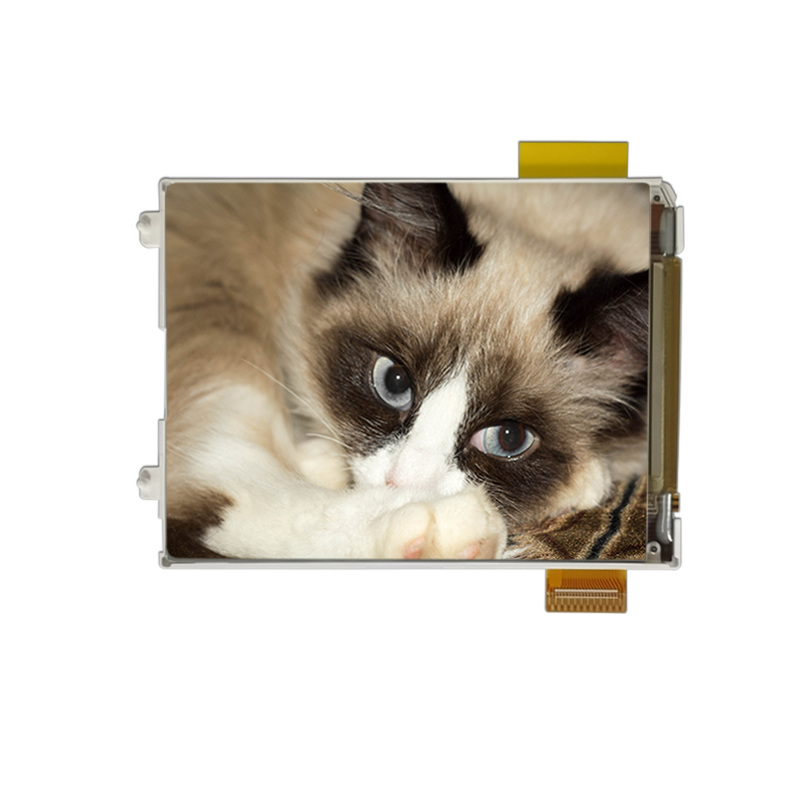
No two screens are exactly alike, even when they roll off the same production line. Tiny variations in backlight uniformity, color temperature, and pixel response are inevitable. Instead of relying on broad, one-size-fits-all calibration profiles, we treat each display as its own canvas. The process begins at the hardware level, measuring every panel’s native characteristics and mapping its unique fingerprint. This isn’t just a software tweak applied after the fact—it’s a core part of how the display engine is designed from the ground up.
During assembly, each unit undergoes a dedicated calibration routine that goes far beyond standard white point alignment. Spectral sensors capture data across the full luminance range, while per-pixel testing identifies even the slightest inconsistencies. That information is then burned directly into the display controller, creating a dynamic compensation map that persists through every power cycle. The result is a panel that knows exactly how to counterbalance its own imperfections in real time, preserving subtle shadow details and natural skin tones without crushing blacks or oversaturating colors.
What you end up with feels less like a mass-produced component and more like a precision instrument tuned specifically for your device. Scrolling through photos or watching HDR content, you’ll notice a depth and consistency that’s hard to put into words—but impossible to ignore once you’ve experienced it. The engineering isn’t just about chasing spec-sheet numbers; it’s about making sure the display disappears and leaves you with nothing but the content itself.
Unseen Power Smarts: Where Efficiency Meets Brilliance
Unseen power smarts operate quietly in the background, reshaping how we handle everyday tasks without fanfare. They aren’t about flashy interfaces or constant notifications—instead, they thrive on subtle adjustments that make workflows smoother and decisions sharper. This hidden intelligence learns routines, predicts needs, and eliminates friction, all while staying out of sight.
What sets these systems apart is the rare blend of raw efficiency and creative brilliance. They don’t just speed things up; they find smarter pathways that human minds might overlook. Think of a thermostat that adjusts to your comfort before you realize you’re cold, or a scheduling tool that weaves through conflicting calendars with effortless precision. That’s where true brilliance lies—in the unspoken choreography of data and intuition.
The real magic happens when this unseen power becomes so integrated that we forget it’s there. It turns complexity into simplicity, transforming chaotic inputs into polished outcomes. In a world obsessed with visibility, these smarts prove that the most profound impact often comes from forces we never see—efficiency and brilliance merging silently into the fabric of daily life.
Made to Last, Made to Move: Rugged by Design
Durability isn't an afterthought here—it's woven into every seam, hinge, and corner. We selected materials that don't just survive drops and scuffs; they barely show them. The outer shell absorbs impact like a crumple zone, while internal reinforcements keep everything aligned. It's built to handle the morning rush, the weekend trail, and every fumble in between, without ever looking fragile.
When something is this solid, you'd expect it to be heavy. It's not. The chassis balances strength with a surprisingly light footprint, so moving through the day feels effortless. From the grip texture that stays put in wet hands to the edges that resist peeling, every detail serves both protection and portability. It's meant to be grabbed, tossed into a bag, and relied on—no pre-trip regrets, just one less thing to worry about.
We didn't design for a lab test; we designed for real collisions with doorframes, rain-soaked commutes, and sandy pockets. The move-from place to place mentality meant engineering away weak points, not just covering them. So whether it's sliding across concrete or rattling in a backpack, this piece keeps its composure. It's rugged where it counts, and ready to move when you are.
Plug, Play, Perform: Effortless Integration Stories
The dashboard showed a steady green pulse within minutes—no custom scripts, no late-night config dives. Our fleet of sensors simply woke up, synced their data streams, and started feeding insights into our existing workflow. The integration felt less like a setup and more like a quiet handshake between systems.
We braced for the usual friction: mapping fields, tweaking firewalls, hand-holding vendors. But the adapter slipped in like a native module, silently translating protocols on the fly. By lunchtime, the operations team was monitoring live telemetry without a single support ticket. It was the kind of invisible engineering you only notice by its absence—no noise, no delays, just performance.
When our logistics partner asked how long the rollout would take, I hesitated—then replied, “It’s already done.” What had seemed like a complex merge of IoT and ERP turned into a background click. That’s when you realize the best integrations aren’t celebrated; they’re simply experienced. The systems talked, the data flowed, and our job shifted from troubleshooting to tuning—the real work, finally undisturbed.
Framing the Future: Resolution That Feels Like Reality
We’re approaching a point where pixels become invisible, and images carry the weight of tangible presence. The sharpness of a display no longer just clarifies an object—it evokes texture, depth, and atmosphere that tricks the mind into believing what it sees is truly there. This shift turns passive viewing into a sensory event, where screens dissolve and only the framed world remains.
Architects walk through sunlit rooms before a single brick is laid, surgeons rehearse delicate procedures on organs that mirror human tissue down to the capillary, and gamers feel wind against their skin as leaves rustle with uncanny detail. In each case, resolution ceases to be a technical benchmark and becomes a bridge between intention and lived experience. The future we frame today doesn’t merely copy reality—it reconstructs it so faithfully that the line between simulation and life grows comfortably thin.
FAQ
They combine faster response times with richer color reproduction, making motion blur and washed-out visuals a thing of the past. The pixel density also supports sharper interfaces, which modern gadgets demand.
Wearables, medical monitors, and automotive dashboards are leading the charge. In each case, the modules handle variable lighting and relentless use without degradation, keeping readability intact.
Adaptive backlight control and refined transistor circuitry trim consumption by up to 20% compared to older panels. Smart idle states ensure the screen sips power when static content is shown.
Absolutely. We reinforce them with optically bonded layers and anti-glare treatments, so direct sunlight or dusty conditions don't wash out the display or compromise touch sensitivity.
MIPI, LVDS, and SPI protocols are all supported, giving teams the freedom to tune refresh rates, sync signals, and connector layouts without redesigning the whole board.
Yes, flexible substrates let you bend the module to match curved enclosures, and narrow bezel vias create near-seamless multi-screen arrays for dashboard or control panel setups.
Each module undergoes factory calibration against DCI-P3 targets, and select models include hardware LUT storage, so color grading stays consistent across production runs.
With reduced heat generation and robust polarizer materials, these modules extend usable life to over 50,000 hours before brightness drops below 70%—roughly double the longevity of previous generations.
Conclusion
TFT screen modules are redefining what we see and feel on our devices, moving far beyond conventional pixel counts to deliver a visual experience that feels immersive and real. The leap isn't just about sharper resolution; it's about engineering displays that adapt to the unique personality of each gadget. From custom aspect ratios to curved contours, these modules are crafted with bespoke precision, ensuring that every smartphone, wearable, or medical monitor wears its screen like a tailored suit. Beneath the surface, intelligent power management works quietly, balancing stunning brightness with remarkable energy efficiency—so you get brilliance that lasts longer without draining the battery.
Durability is woven into the design, with rugged builds that withstand drops, vibration, and extreme environments, making them ideal for everything from factory floors to off-road adventures. Yet integration remains effortless: plug-and-play compatibility slashes development time, letting innovators bring products to market faster without wrestling with complex drivers. Looking ahead, these modules are pushing resolution boundaries until pixels vanish and images approach the texture of reality, framing a future where the display is no longer a flat surface but a vivid window into another world. It’s display innovation engineered not just to impress, but to empower what comes next.
Contact Us
Contact Person: Vincent
Email: [email protected]
Tel/WhatsApp: 86 135 5485 1379
Website: https://www.jda-display.com/