

Silicon Dioxide: The Ultimate Food Additive for Stability and Safety
2026-05-13
In the ever-evolving landscape of food production, stability and safety remain paramount. Silicon dioxide, a naturally occurring compound, has quietly emerged as a vital ally in achieving both. At Zhonglian, we recognize its potential to transform food preservation without compromising quality. This blog delves into how this unassuming additive works, why it’s trusted globally, and what sets it apart in an industry hungry for reliable, clean-label solutions.
What Makes Silicon Dioxide a Staple in Food Manufacturing?
Silicon dioxide might sound like something straight out of a chemistry textbook, but it’s actually a naturally occurring compound found in sand, quartz, and even plants. In food production, its standout role is as an anticaking agent—it coats particles to absorb moisture and prevent them from sticking together. This keeps powdered ingredients like flour, salt, and baking mixes free-flowing, which simplifies everything from factory processing to that final sprinkle at home.
Another reason it’s so widely used is its versatility as a carrier. It’s capable of turning liquid flavors, oils, or vitamins into easy-to-handle powders without altering taste or smell. Because it’s chemically inert, it won’t interfere with a product’s flavor profile or shorten its shelf life. This quiet reliability allows manufacturers to create consistent, long-lasting dry blends that behave predictably in both industrial equipment and kitchen cupboards.
Beyond Anti-Caking: The Surprising Roles of Silicon Dioxide
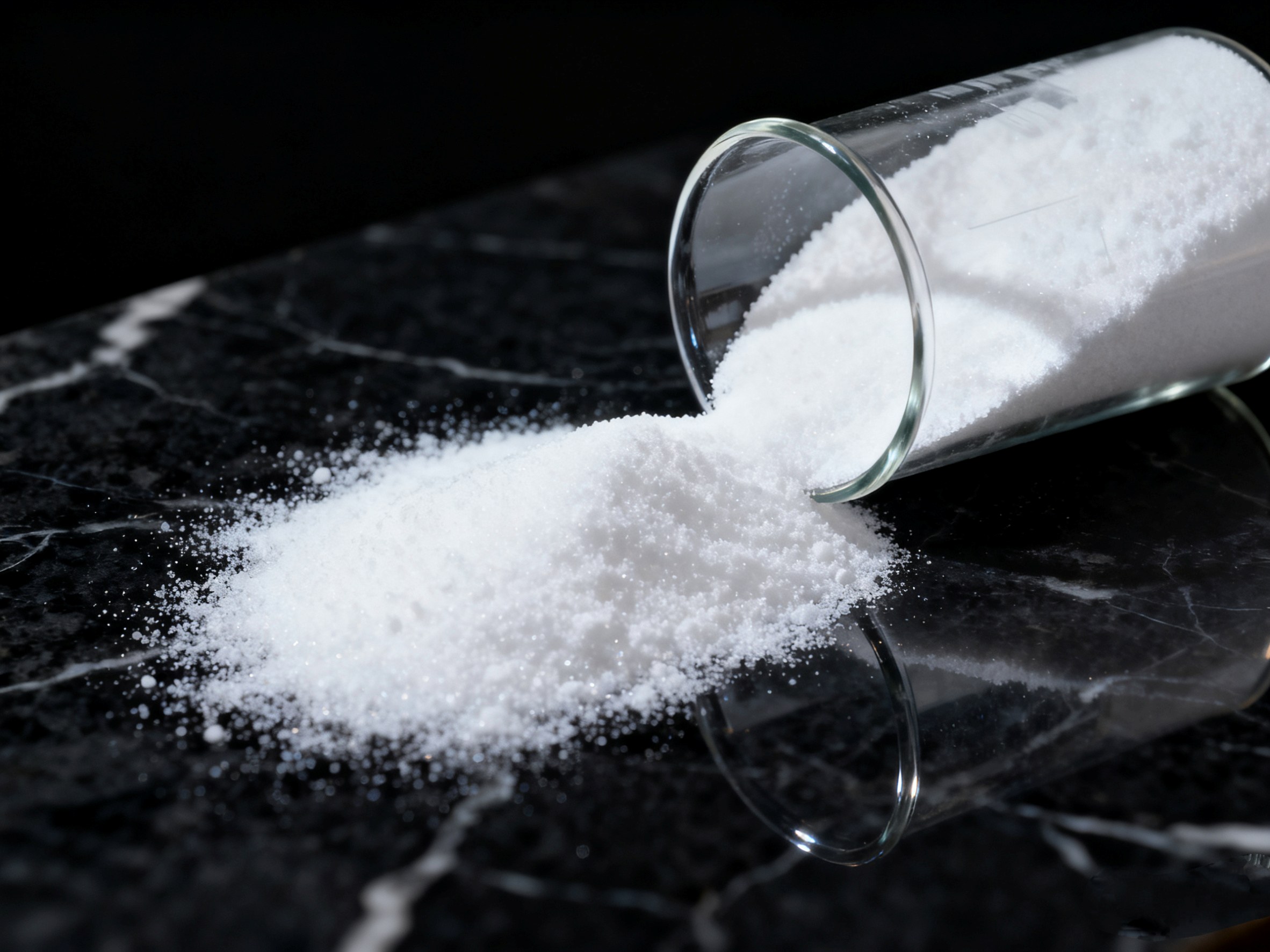
While silicon dioxide is widely recognized for preventing clumps in powdered foods, its utility extends far beyond the kitchen. In pharmaceutical manufacturing, it acts as a flow agent that ensures precise mixing and consistent tablet compression, directly impacting drug efficacy. This unassuming compound also serves as a carrier for liquid active ingredients, turning sticky extracts into free-flowing powders without chemical alteration.
In the realm of personal care, silicon dioxide takes on an abrasive yet gentle role in toothpaste, polishing teeth without scratching enamel. It adds a soft-focus blur to cosmetic powders, diffusing light to minimize the appearance of fine lines. Winemakers exploit its fining properties to produce crystal-clear vintages, as the particles attract and remove haze-causing proteins and tannins.
The compound’s most technologically profound applications lie in optoelectronics and renewable energy. Ultra-pure silicon dioxide is drawn into hair-thin optical fibers that form the backbone of the internet, while its semiconductor-grade counterpart is essential for manufacturing photovoltaic cells. Even in environmental remediation, modified silica is used to trap heavy metals from wastewater, showcasing a versatile material that quietly underpins modern life.
How Silicon Dioxide Extends Shelf Life Without Compromising Quality
Silicon dioxide, commonly found in nature as quartz, is a quiet workhorse in food preservation. It works by absorbing moisture and preventing clumping, but its role in extending shelf life goes deeper. By creating a protective barrier around particles, it shields sensitive ingredients from humidity and oxidation, two major culprits of spoilage. This means that powdered products, from spices to vitamin blends, maintain their free-flowing texture and potency far longer than they would otherwise, all without altering taste or appearance.
What sets silicon dioxide apart is its inert nature. Unlike some preservatives that can react with food components or leave behind a chemical aftertaste, it simply passes through the body without interacting. This ensures that the original sensory qualities—flavor, aroma, and mouthfeel—stay intact. Manufacturers appreciate that it doesn't require special handling or affect the manufacturing process, allowing for seamless integration into existing production lines. The result? A product that stays fresh on the shelf as if it were just packaged, keeping consumers coming back for the quality they expect.
The versatility of silicon dioxide also means it works across a wide range of pH levels and temperatures, making it suitable for everything from acidic drink mixes to protein powders. By locking out moisture without needing a heavy-handed application, it preserves delicate nutritional components like vitamins and probiotics that can degrade in the presence of water. It’s a subtle guardian: you won’t taste it, but you’ll notice the difference when your favorite mix still pours smoothly months after opening. This quiet efficiency is why it remains a go-to for brands looking to deliver purity and longevity in one clean ingredient.
Addressing Safety Concerns: Is Silicon Dioxide Safe for Consumption?
Silicon dioxide, commonly known as silica, is a naturally occurring compound found in water, plants, and even the human body. When used as a food additive, it primarily acts as an anti-caking agent, preventing clumping in powdered products like spices, protein powders, and coffee creamers. Regulatory agencies worldwide, including the FDA and EFSA, have evaluated its safety and deemed it generally recognized as safe (GRAS) within specified limits. The form used in foods is typically synthetic amorphous silica, which differs from crystalline silica, the latter being associated with respiratory issues when inhaled in large quantities over time. This distinction is crucial, as the digestive system processes amorphous silica quite differently, with most of it passing through the body unabsorbed.
Concerns often arise from misunderstandings about the types of silica and their effects. Some studies have raised questions about possible digestive tract irritation or accumulation in organs, but these are largely based on high-dose animal models or inhalation scenarios that don't mirror typical oral consumption. Human research is limited, but existing data suggests that at approved levels, silicon dioxide doesn't pose a significant health risk for the general population. It's worth noting that silica is already present in many whole foods and drinking water, and our daily intake from additives is relatively small in comparison. For those who prefer to minimize additives, choosing whole, unprocessed foods can naturally reduce exposure, though avoiding it entirely is unnecessary for most people.
Ultimately, the safety of silicon dioxide hinges on dose and context. While nano-sized particles warrant ongoing research due to their potential for unique interactions, current evidence supports its safe use in the food supply. Staying informed about regulatory updates and scientific findings helps maintain a balanced perspective. If you have specific health concerns or conditions that might affect tolerance, consulting a healthcare professional is always a sensible step.
Applications in Everyday Foods You’d Never Expect
You might not realize it, but seaweed extract is quietly holding together your ice cream. It's not there for flavor—it's a natural stabilizer that prevents ice crystals from turning your dessert into a gritty mess. The same compound shows up in salad dressings and even chocolate milk, keeping textures smooth without any hint of the ocean.
Then there's the case of titanium dioxide, a mineral that once gave ranch dressing its bright white look and is still used to make chewing gum opaque. It's not a nutrient, just a visual trick your brain falls for every time. Meanwhile, enzymes originally harvested from the stomachs of calves are now standard in cheese-making, breaking down milk proteins even in mass-produced blocks of cheddar you toss into a sandwich.
And if you've ever zapped a frozen pizza and marveled at the slightly crisp crust, thank packaging science. A grid of susceptors—tiny metalized strips that convert microwave energy into heat—is silently working beneath the cardboard, delivering a result that would have made early microwave developers scratch their heads. These hidden helpers are everywhere, and they blend in so well you’d never think to look.
The Future of Food Stability: Innovations with Silicon Dioxide
Silicon dioxide, long relegated to the role of an anti-caking agent, is quietly stepping into the spotlight as a cornerstone of next-generation food preservation. Its nano-structured forms are being engineered to create ultra-thin, edible coatings that slow down oxidation and moisture exchange in perishables like sliced fruits and nuts. Unlike traditional barriers that can alter taste or texture, these silica-based films are nearly undetectable on the palate while extending shelf life by days or even weeks. Researchers are also exploring how its porous nature can be harnessed to encapsulate and release protective antioxidants precisely when a food product starts to degrade, essentially building a smart shield that reacts to the onset of spoilage rather than passively covering it.
Beyond simple preservation, the interplay between silicon dioxide and digital monitoring is opening up possibilities for real-time food quality tracking. By embedding silica particles with responsive dyes, packaging can visually signal when contents have been exposed to harmful temperature fluctuations or gases. This shifts the consumer experience from relying on stamped expiration dates to trusting a direct, physical indicator of freshness. In agricultural storage, modified silica gels are being deployed to regulate humidity inside grain silos with far greater precision than before, preventing mold growth without chemical fumigants. These approaches are gradually reshaping how we think about food stability—from a static state to a dynamically managed process.
Perhaps most intriguing is silicon dioxide's potential to recalibrate the global food supply chain by turning waste into resource. By-products from rice husks and other agricultural waste are now being converted into high-purity silica for food applications, creating a circular loop that simultaneously addresses waste management and food security. This innovation is especially promising in regions where refrigeration infrastructure is limited, as cheap, locally produced silica-based sachets can protect harvested grains for months. The material's acceptance as a food additive across major regulatory frameworks further accelerates its integration, allowing it to slip into supply chains without the friction of lengthy approval processes. As climate pressures mount, such unassuming yet adaptable tools are likely to become pivotal in cushioning our food systems against disruption.
FAQ
It's a natural compound found in quartz and sand, but in food, it acts primarily as an anticaking agent. By absorbing moisture, it prevents clumping in powders like spices or protein blends, ensuring they flow freely.
Regulatory bodies like the FDA and EFSA have evaluated it extensively and consider it safe at approved levels. It passes through the digestive system without being absorbed, so it doesn't accumulate in the body.
Its porous structure traps moisture, which protects dry ingredients from humidity and extends shelf life. This is crucial for products like powdered supplements that would otherwise degrade quickly.
Yes, because it’s a naturally occurring mineral. However, the version used in food is often purified and processed, which sometimes raises questions among clean-label advocates.
Some people confuse it with silica gel packets, but food-grade silicon dioxide is different and safe. One misconception is that it's a harmful synthetic, but it's actually among the most benign additives.
It's common in dry mixes, grated cheese, baking powder, and even some table salts. Basically, if a powdery product pours smoothly without clumps, silicon dioxide might be why.
Conclusion
Silicon dioxide, often overlooked on ingredient labels, operates as a quiet powerhouse in modern food production. Its primary claim to fame is preventing clumping in powdered products—think spices, coffee creamers, and protein shakes—but that only scratches the surface. By absorbing ambient moisture, it maintains free-flowing textures, yet its utility extends far beyond. Manufacturers leverage its porous structure to stabilize emulsions, encase delicate flavors, and even clarify beverages. This versatility, paired with chemical inertness, means silicon dioxide doesn’t react with other ingredients, preserving the intended taste and aroma of foods. As a result, products reach consumers in optimal condition, whether after weeks on a truck or months in a pantry.
Beyond functional benefits, silicon dioxide’s safety profile has been affirmed by decades of research and global regulatory bodies, including EFSA and the FDA, which classify it as generally recognized as safe. While nanoparticle concerns occasionally surface, typical food-grade forms pass through the body without absorption, posing no risk at approved levels. Its role in reducing food waste is equally notable—by slowing moisture-driven spoilage, it extends shelf life without artificial preservatives. Everyday items like dried soups, grated cheese, and even some chocolates rely on it, often unnoticed. Looking ahead, innovations explore its use in active packaging and precision nutrient delivery, cementing silicon dioxide as a subtle yet essential pillar of food stability and safety.
Contact Us
Contact Person: Levin Wang
Email: [email protected]
Tel/WhatsApp: 8618668999988
Website: https://www.silicaplant.com/