

Selecting the Right Large Capacity Centrifugal Compressor
2026-07-25
Selecting a large capacity centrifugal compressor isn’t just about matching specs—it’s about ensuring reliability, efficiency, and long-term cost savings for critical operations. Get it wrong, and you’re stuck with inefficiency and downtime. That’s where the experts at Seize Air come in. In this guide, we’ll break down the key factors to consider, so you can make a confident decision without the guesswork.
Compressor Sizing Pitfalls That Cost Millions
Compressor sizing errors often creep in when designers lean too heavily on standard pressure and temperature assumptions. Default inlet conditions like 14.7 psia and 60°F rarely match real operating scenarios, especially at sites with high altitudes or extreme climates. When site-specific data is ignored, the selected compressor may deliver less mass flow than required, starving downstream processes. In one case, an EPC contractor assumed mild coastal weather, only to find the installed unit could not meet summer demand at an inland location, forcing a late-stage redesign that pushed the project $2 million over budget.
Another common pitfall is overlooking the impact of gas composition on sizing. A mixture with higher molecular weight or varying CO2 content can dramatically alter horsepower and discharge temperature. Relying on a generic “natural gas” curve without confirming the actual gas analysis often results in undersized drivers or inadequate cooling. A plant in the Middle East learned this the hard way when unexpected sour gas slipped into the feed, causing repeated shutdowns due to motor overload until a complete compressor replacement was ordered.
Margins applied inconsistently across the design phase also create expensive ripple effects. While a 10% safety factor might seem generous, compounding it across flow, head, and temperature calculations can push the compressor into an inefficient operating zone or require oversized foundations and piping. On the flip side, squeezing the margin too aggressively to win a bid can lead to performance shortfalls and penalty clauses. A balance informed by actual field variability — not guesswork — is essential to avoid million-dollar corrections later.
Why Oversized Centrifugals Drain Your Operating Budget
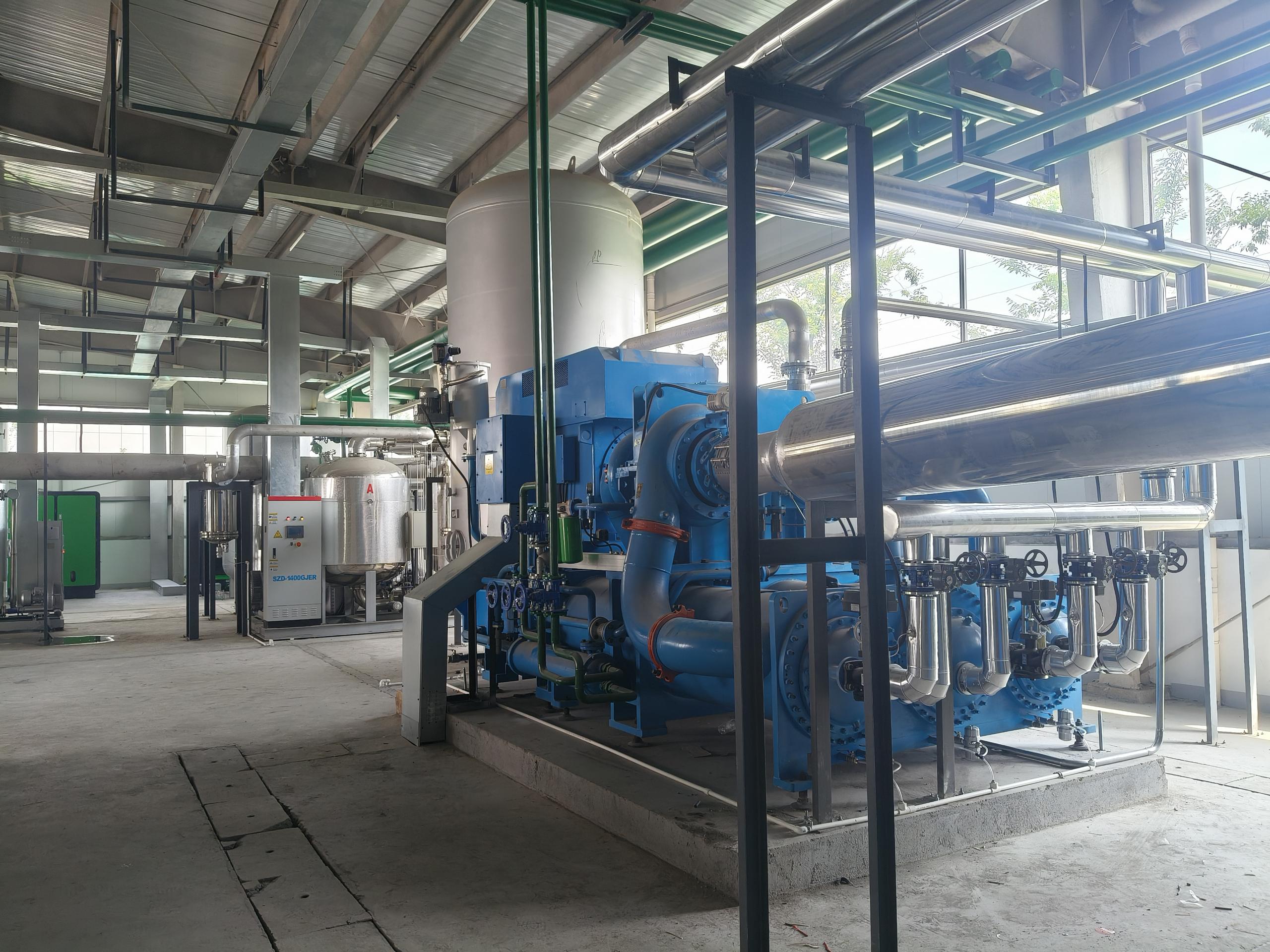
It’s easy to assume that a bigger pump means better reliability, but oversized centrifugals often work against you. When a pump runs far from its best efficiency point (BEP), internal recirculation and suction/discharge turbulence accelerate wear on impellers and seals. What seems like a one-time oversizing cushion quickly morphs into quarterly repair bills and unscheduled downtime that eats into your opex.
Beyond maintenance, energy costs skyrocket with oversized units. Centrifugals consume power roughly as a cube of their speed, and a pump that’s even 10% too large will churn through far more kilowatt-hours than needed. Over years of continuous operation, that excess turns into a five- or six-figure drain that could have funded other upgrades.
Then there’s the hidden cost of system stress. A pump that pushes too much flow forces operators to throttle discharge valves, which only adds artificial resistance and further wastes energy. This throttling can create vibration and pressure surges that wear out piping, valves, and instruments, inflating the total cost of ownership in ways that never show up in the initial capital expenditure spreadsheet.
The Hidden Efficiency Metrics Manufacturers Won’t Emphasize
When evaluating manufacturing performance, most reports focus on output volume, cycle times, or defect rates. These numbers are easy to track and even easier to spin. But there’s a deeper layer of data that rarely surfaces in boardroom presentations or glossy brochures—because it often tells a story the manufacturer would rather you didn’t hear.
Think about the frequency and duration of unscheduled micro-stoppages, or the true cost of rework that gets absorbed into “normal” operational expenses. These hidden metrics reveal how smoothly a line really operates, how much material is wasted before the final count, and how often a machine slips out of tolerance before anyone adjusts it. They expose a facility’s true agility and the real burden of quality failures that don’t make it to the public defect log.
Then there’s the human side: the percentage of operator interventions that go undocumented, or the time spent troubleshooting basic issues because standard procedures are impractical or outdated. When you dig into these overlooked indicators, you start to see where a plant is bleeding efficiency—and why the official KPIs only ever paint a partial picture. It’s a lens worth looking through before signing any long-term supply agreement.
Matching Impeller Design to Real-World Gas Composition
In practice, the composition of process gas rarely matches the pristine assumptions made during initial design. Natural gas, for instance, can carry varying percentages of heavier hydrocarbons, water vapor, and acid gases like H₂S and CO₂, all of which shift the fluid’s density, viscosity, and sonic velocity. These shifts demand impeller geometries that go beyond textbook optimizations—blade angles, trim diameter, and tip speed must be evaluated against the actual gas mixture to prevent surge, choking, or premature erosion. Overlooking this often translates to impellers that perform well on paper but struggle with the real blend flowing through them.
One underappreciated aspect is how trace components can dominate the failure mode. A seemingly minor fraction of sour gas can trigger sulfide stress cracking in high-stress areas of the impeller, while wet CO₂ at elevated pressures may create carbonic acid, accelerating corrosion in ways that standard dry-gas curves never predict. Successful designs incorporate material selection and coating strategies tied directly to the gas analysis, not just the bulk properties. This means engaging metallurgists and process engineers early to map out the chemical aggressiveness and how it interacts with the aerodynamic loads the impeller will experience day to day.
Field adjustments often reveal that the real-world gas composition drifts over time—wellhead conditions change, blending stations introduce new supply sources, or bypass streams alter the mix. Rigid impeller geometries can become liabilities in such dynamic environments. An adaptive approach, using modular impeller trims or variable-speed drivers, allows the machine to track these shifts without sacrificing efficiency or risking aerodynamic instability. Pairing real-time gas chromatograph data with performance models closes the loop, ensuring the impeller remains matched to what is actually coming down the pipe, not a static design assumption.
How Surge Control Systems Define Long-Term Reliability
The long-term reliability of industrial machinery hinges on how effectively it copes with electrical surges. Surge control systems act as a frontline defense, intercepting voltage spikes before they reach sensitive components. Over years of operation, repeated exposure to transient overvoltages can degrade insulation, corrode contacts, and cause incremental damage that eventually leads to failure. By consistently clamping surges, a well-designed system prevents this cumulative wear, preserving the original performance margins built into the equipment. This proactive approach transforms reliability from a statistical hope into a guaranteed attribute of the system.
Beyond mere protection, surge control systems embed reliability through adaptability. Real-world power environments are unpredictable, featuring noise, harmonics, and surges of varying magnitude and frequency. A static protection scheme may suffice in a laboratory, but field conditions demand dynamic response. Advanced surge devices monitor line conditions and adjust their clamping thresholds, ensuring they remain effective even as grid conditions shift. This adaptability means the system doesn't just survive a few major events—it maintains integrity across thousands of lesser surges that would otherwise nibble away at component life. The cumulative effect is a reliability profile that remains flat over decades, rather than degrading year by year.
Finally, the diagnostic feedback loop inherent in modern surge control defines proactive maintenance strategies. Instead of waiting for a catastrophic failure, built-in monitoring tracks surge counts, energy absorption levels, and protective device health. Maintenance teams can replace degrading elements before they fail, preventing the domino effect where a single compromised protector opens the door to system-wide damage. This predictive capability shifts reliability from a reactive concern to an engineered parameter, where uptime is assured not by luck, but by continuous system intelligence and adaptive response.
Material Selection Secrets for Sour Gas Applications
When dealing with sour gas, the primary concern is always preventing sulfide stress cracking (SSC) and hydrogen-induced cracking. It’s not just about picking a corrosion-resistant alloy—temperature, pH, and even tiny variations in H₂S partial pressure can push a seemingly suitable material into dangerous territory. Experienced engineers often go beyond standard NACE MR0175 tables, looking closely at hardness limits and microstructural stability. For example, a martensitic stainless steel that passes lab tests might fail in the field if heat treatment left residual stresses or if the actual pH drops below the design envelope. The real secret is treating every application as a unique combination of chemistry and mechanical load, not just checking boxes on a material list.
Another hidden dimension is the role of alloying elements that aren’t always obvious. Small additions of molybdenum or tungsten can dramatically improve resistance to localized attack in sour brines, while vanadium and niobium refine grain structure for better SSC resistance. But there’s a cost. Over-alloying can create fabrication headaches like hot cracking during welding. Smart material selection often means striking a balance—using a lean duplex stainless steel where possible, reserving nickel alloys for only the harshest zones. Field experience also shows that surface condition matters: shot peening or controlled grinding can enhance performance without changing the alloy grade.
Finally, the most valuable secret might be learning from past failures that never make it into textbooks. In one offshore project, a nominally compliant carbon steel valve stem cracked within weeks because of a combination of cold work and a slightly elevated chloride level that nobody considered. The fix wasn’t switching to an expensive superalloy, but rather specifying a stress relief heat treatment and tighter chloride monitoring. Likewise, coatings and inhibitors are often underestimated—they can significantly expand the safe operating window when selected with sour service in mind. In the end, the best material decisions come from blending code requirements with practical know-how and a healthy respect for the unpredictability of real-world conditions.
FAQ
Key considerations include flow rate, pressure ratio, gas composition, efficiency requirements, operational flexibility, maintenance needs, and the specific application's environmental conditions.
Gas molecular weight influences the aerodynamic performance and stage design. Heavier gases require fewer stages to achieve a given pressure ratio, while lighter gases may need more stages or higher rotational speeds.
Efficiency directly impacts energy consumption and operating costs over the compressor's lifecycle. A higher efficiency compressor can lead to significant savings, especially in continuous large-scale operations.
Turndown capability determines how well the compressor can operate at reduced flow rates without surging. Good turndown ensures stable operation across varying process demands, avoiding costly disruptions.
The number of stages is based on the total pressure rise needed, the gas properties, and the allowable tip speed. Balancing these factors minimizes losses and ensures reliable operation without exceeding mechanical limits.
Inlet temperature, pressure, and humidity affect gas density and mass flow. Higher inlet temperature reduces density and mass flow, potentially requiring a larger compressor or adjustments to maintain output.
Yes, but it requires special materials, coatings, or sealing systems to protect internal components. Filtration and conditioning may also be necessary to prevent erosion and maintain reliability.
Conclusion
When specifying a large centrifugal compressor, the focus often narrows to pressure ratio and flow capacity, yet the real cost drivers lie in subtle design mismatches. Oversizing a unit by even 10% can force it to operate away from its best efficiency point, quietly bleeding energy year after year. What’s rarely discussed is that published efficiency curves assume clean, dry air, while actual process gas composition—with its moisture, molecular weight variations, and contaminants—reshapes the aerodynamic performance of each impeller stage. A compressor sized on paper with broad safety margins may end up running in choke or recycle mode, accelerating wear and inviting surge events that no control system can fully tame after the fact.
Beyond sizing, the long-term viability of a large compressor hinges on two less visible factors: the surge control philosophy and the metallurgy behind it. A robust anti-surge system does more than open a recycle valve; it must anticipate rapid transients and interact intelligently with process controls. Meanwhile, in sour gas service, even trace H₂S levels can drive hydrogen-induced cracking if materials are selected solely by nominal NACE compliance rather than actual environmental cracking risk. The right material call often involves a trade-off between yield strength and sulfide stress cracking resistance, one that generic datasheets overlook. Ultimately, a successful selection blends accurate gas analysis, dynamic simulation, and field-proven material experience—elements that rarely appear in a standard bid evaluation.
Contact Us
Contact Person: Mia
Email: [email protected]
Tel/WhatsApp: +86 19821985894
Website: https://www.seize-air.com