

Reliable Industrial Drive Products Supplier: Ensuring Performance and Longevity
2026-07-15
In critical industrial environments, a drive product is only as good as its reliability. Whether it’s motors, gearboxes, or variable frequency drives, unexpected failures grind production to a halt and erode your bottom line. That’s why partnering with a supplier who genuinely understands performance and longevity isn’t optional—it’s essential. At Chuangjuman, we do more than just deliver components; we engineer solutions that keep your operations running smoothly, day after day. Discover what sets a truly dependable supplier apart and how the right choice can transform your maintenance strategy from reactive to proactive.
Beyond Specifications: Our Drive Products Engineered for Real-World Demands
Spec sheets tell a tidy story. They list torque, speed, and efficiency under pristine lab conditions—a 25°C room with steady voltage and no dust. But that’s not where our drives earn their keep. We design them for the messy, unpredictable side of industry: the morning when humidity condenses inside the housing, the voltage sag when the grid strains, the operator who runs the machine harder than any simulation predicted. By burying robust thermal sinks deeper into the housing and tweaking current-sensing algorithms to ignore transient noise, we’ve made data-sheet numbers a starting point rather than a ceiling.
Consider a quarry conveyor that starts up caked in wet clay. Most drives would fault out from overcurrent before the belt budged. Ours senses the load profile shifting—torque spikes with each lump of clay—and momentarily extends the safe overload window without tripping. That’s not a firmware toggle; it’s the result of power-stage components rated for 200% overload with active thermal feedback loops that model junction temperature in real time. When the conveyor finally breaks free, the cooling algorithm kicks in at a rate dictated by actual die temperature, not a fixed timer. The drive goes on churning, often for years, without anyone thinking about that spec-sheet startup torque again.
The outcome isn’t just reliability—it’s a quieter plant floor. No midnight calls to reset a tripped unit. No derating charts that force you into a bigger, costlier frame just to get a margin. Our approach trims those margins from the engineering side, baking in headroom where it matters: thermal, electrical, mechanical. The result is a drive that doesn’t just live up to its printed specs but makes you forget specs ever existed.
Custom-Built Reliability: Tailoring Industrial Drives to Your Unique Operations
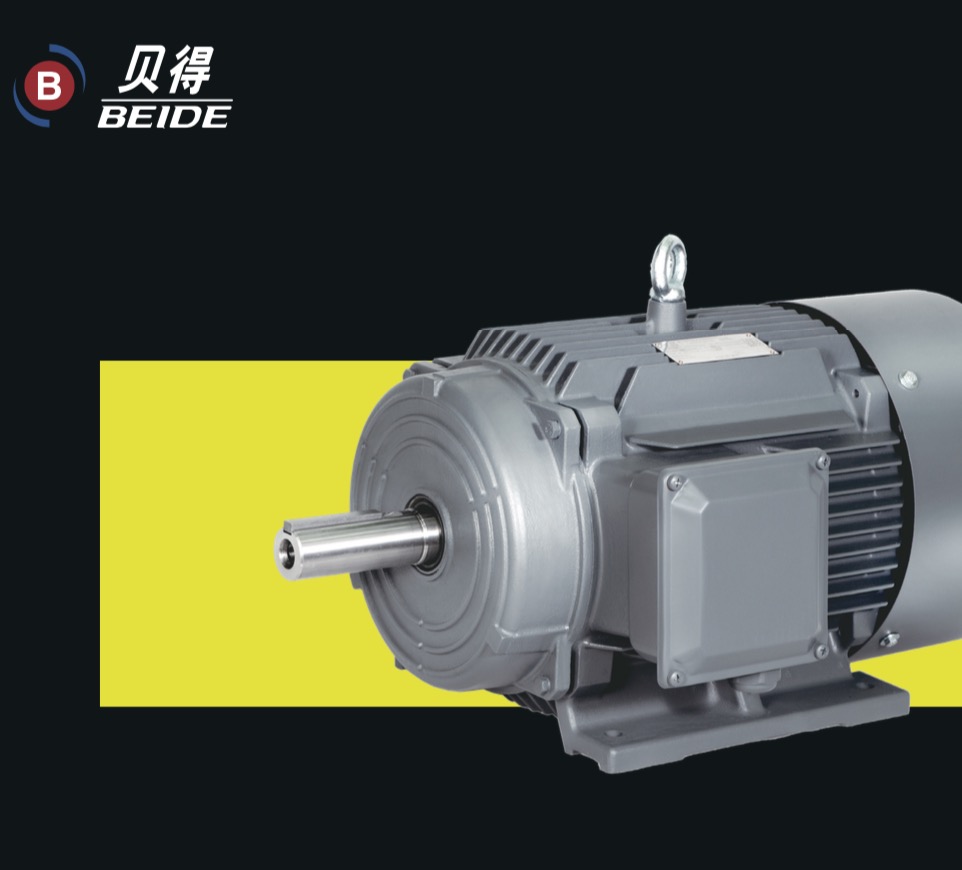
Industrial environments rarely fit into neat, predefined categories. Temperature swings in a food processing line, fine metallic dust in a stamping facility, or sudden torque spikes in a heavy mixer—each scenario demands more than a catalog solution. That’s why we build drives around your actual load profile, ambient conditions, and control architecture, not the other way around. Field engineers gather real operating data first, then configure everything from switching frequencies to thermal derating so the drive handles your specific stress points without derating performance or shortening service life.
Off-the-shelf components can force you into compromises—oversized enclosures, excessive cooling add‑ons, or control loops that fight your machine’s inertia. Our approach eliminates those trade‑offs. We customize power stack, protection features, and even firmware behavior to match your process rhythms. Need a drive that tolerates frequent reversing under full load? We reinforce the IGBT selection and pre‑charge circuitry. Working in a washdown area? Coatings and glanding become part of the base design, not an afterthought. The result is a drive that fits so naturally into your operation that maintenance teams forget it’s there.
Reliability isn’t just about robustness on paper—it’s about how the drive ages inside your facility. We work with your team to map out the real‑world mission profile, then run accelerated life tests against that exact pattern. This weeds out infant mortality risks and confirms that thermal cycling, vibration, and power quality fluctuations won’t cause nuisance trips or creeping failures three years down the line. Because when a drive is tailored from the start, you stop budgeting for unplanned downtime and start trading old reactive maintenance habits for genuine production confidence.
The Longevity Blueprint: Materials and Design That Outlast the Competition
True endurance in product design isn't accidental—it's orchestrated. It begins with a stubborn insistence on materials that shrug off wear rather than succumb to it. We're talking about alloys that develop a self-healing patina, polymers infused with UV-resistant cores, and textiles woven so tightly that fraying becomes a distant myth. Instead of chasing trends that fade in a season, the blueprint demands a forensic focus on how things age: the way a handle feels after ten thousand grips, or how a surface responds to years of sunlight without turning brittle or chalky.
But materials alone can't carry the weight of longevity. The design itself must anticipate fatigue, distributing stress across shapes that naturally resist cracks and deformities. Think of it as engineering with a dash of foresight—rounded corners that don't catch and splinter, joints that flex instead of snapping, and fasteners hidden from the elements rather than left to corrode. This approach doesn't just extend lifespan; it creates objects that grow more comfortable and familiar with use, turning every scratch into a story rather than a flaw.
What sets this philosophy apart from the disposable culture is a quiet confidence. It's not about boasting a lifetime warranty; it's about building something so deliberately that it rarely needs one. When competitors rush to cut costs with hollow cores and thin veneers, the longevity blueprint doubles down on substance. The result is gear that feels solid in your hands years later, furniture that settles into a home rather than wearing out, and electronics that outlive their software support cycles. In a world obsessed with the new, the real differentiator is creating things that simply refuse to quit.
Application-Tested Performance: From Heavy Machinery to Precision Automation
The ruggedness required for heavy machinery and the finesse demanded by precision automation rarely coexist in a single solution. Yet, real-world deployments in mining excavators and semiconductor wafer handlers have proven that this platform handles both extremes without compromise. In open-pit mines, it withstands constant vibration, dust, and temperature swings while maintaining precise hydraulic control. On automated assembly lines, it executes sub-millimeter movements with repeatable accuracy, even after millions of cycles.
What sets this performance apart is not just lab simulations but thousands of hours logged in actual production environments. Every firmware update, sensor calibration, and material choice was refined based on feedback from operators and maintenance engineers. This iterative field-testing loop ensures that when a component is rated for a certain load or speed, it delivers that day after day, not just on a spec sheet.
From the foundry floor to cleanroom robotics, the same core architecture adapts seamlessly. The result is a dramatic reduction in unplanned downtime and a measurable boost in overall equipment effectiveness. Engineers no longer have to choose between brawn and brains—they get both, validated where it matters most.
Proactive Support Minimizing Downtime, Maximizing Throughput
Downtime doesn’t announce itself. That’s why our proactive support model is built around real-time system monitoring and anomaly detection, catching subtle irregularities before they snowball into full-blown failures. Instead of reacting to alarms, we focus on predicting them—analyzing performance trends, hardware wear, and environmental factors to schedule interventions during planned windows that don’t disrupt your operations.
When an issue does surface, having instant access to engineers who understand your specific configuration eliminates the typical back-and-forth. Our team maintains a living knowledge base of your environment, so the first response isn’t a scripted questionnaire but a targeted diagnosis. This tight feedback loop slashes mean time to resolution and keeps your production lines—or server racks—humming at full capacity.
Beyond break-fix, we regularly audit your throughput bottlenecks and fine-tune system parameters. Sometimes a slight adjustment to buffer sizes or a firmware update can yield double-digit percentage gains in output. It’s this combination of foresight, deep familiarity, and continuous optimization that turns support from a cost center into a productivity engine.
Invisible Engineering: How Our Drives Quietly Keep Your Operations Running
Behind every smooth-running production line, there’s a component you rarely think about—the drive. Not the flashy kind that demands attention, but the one tucked away in the cabinet, fine-tuning motor speeds without a whisper. It adjusts torque in real time, compensates for load shifts, and keeps the rhythm steady. The result? Operations that feel almost effortless.
What makes it invisible isn’t just the lack of noise—it’s the absence of surprises. Our drives are engineered to predict and adapt, learning from the smallest variations to prevent downtime before it ever crosses your mind. They don’t just run; they anticipate, protecting your process with a vigilance that never sleeps. So while you focus on what’s next, they quietly ensure you stay on track.
FAQ
Look beyond the catalog. A dependable supplier demonstrates deep technical expertise, a track record of on-time delivery, and the ability to tailor solutions to your specific operational challenges. Check if their components consistently meet or exceed industry standards like NEMA or IEC, and whether they provide thorough documentation and responsive after-sales support.
It comes down to robust engineering and material selection. Top-tier drives incorporate features like precision-ground gearing, advanced sealing against contamination, and thermal management. These details prevent premature wear, reduce unexpected downtime, and keep your lines running smoothly year after year, even under demanding conditions.
Genuine components are manufactured to exact tolerances using high-grade alloys and proprietary heat treatments. They undergo rigorous testing for fatigue resistance and load capacity. Generic parts often lack this rigor, leading to accelerated wear, increased friction, and a higher risk of catastrophic failure that can halt your entire operation.
Absolutely. Value-added partners provide more than just parts—they offer application audits, vibration analysis, and alignment guidance. This proactive engineering support helps you identify misapplications or installation errors before they cause damage, optimizing the system's efficiency and stretching the usable life of your assets.
Investigate their partnerships with OEMs and their investment in research and development. A supplier focused on longevity will share case studies, offer lifecycle cost comparisons, and often provide extended warranties. They are transparent about mean time between failure (MTBF) data and encourage preventative maintenance rather than reactive replacements.
A reliable supplier maintains deep, locally stocked inventory of critical components. This means when a breakdown occurs, you're not waiting weeks for a shipment. Agile inventory management, combined with express delivery options, minimizes production losses and shows a commitment to being a true operational partner, not just a vendor.
Efficiency is preserved through design elements like optimized tooth profiles that reduce heat generation and high-capacity bearings that minimize friction. Consistent efficiency means lower energy consumption and cooler operating temperatures, which directly slow the degradation of lubricants and seals, sustaining performance through thousands of operating hours.
The purchase price is just the start. Inferior drives lead to frequent failures, emergency labor costs, scrapped product, and unplanned downtime. A slightly higher initial investment in quality components from a knowledgeable supplier often pays back many times over through extended maintenance intervals, energy savings, and predictable operating budgets.
Conclusion
Our approach to industrial drives goes far beyond published performance curves. We engineer for the rough edges of real-world operation—where voltage fluctuates, ambient temperatures climb, and load profiles shift without warning. Every drive starts with a blank-sheet assessment of your application, so that the final product mirrors the exact torque, thermal, and enclosure demands you face daily. Materials are chosen not just for nominal ratings but for how they age under continuous duty. For instance, we over-spec insulation on windings subjected to frequent start-stop cycles, and bearings are paired with specialty greases that resist washout in wet environments. This obsessive attention to detail results in drives that routinely outlast standard replacements by years, and it is why you will find our units in everything from rock crushers to surgical robots.
The difference only becomes clearer once equipment is installed. Our support teams do not wait for a fault light—they monitor, predict, and act before production skips a beat. We stock critical spare parts locally and pre-stage replacements for scheduled outages so you never scramble. This proactive rhythm turns drive maintenance from a cost center into a reliability multiplier, often unlocking throughput gains that more than offset the initial investment. Inside the panel, our drives run so quietly and efficiently that operators forget they exist, which is exactly the point. By absorbing electrical noise, smoothing harmonics, and compensating for mechanical backlash in software, we remove the small disturbances that slowly erode uptime. The result is a partnership centered on sustained performance, where the drive becomes an invisible backbone of your production floor—always present, never the bottleneck.
Contact Us
Contact Person: Jony
Email: [email protected]
Tel/WhatsApp: 086-0571-86161808
Website: https://en.hzcjm.com/