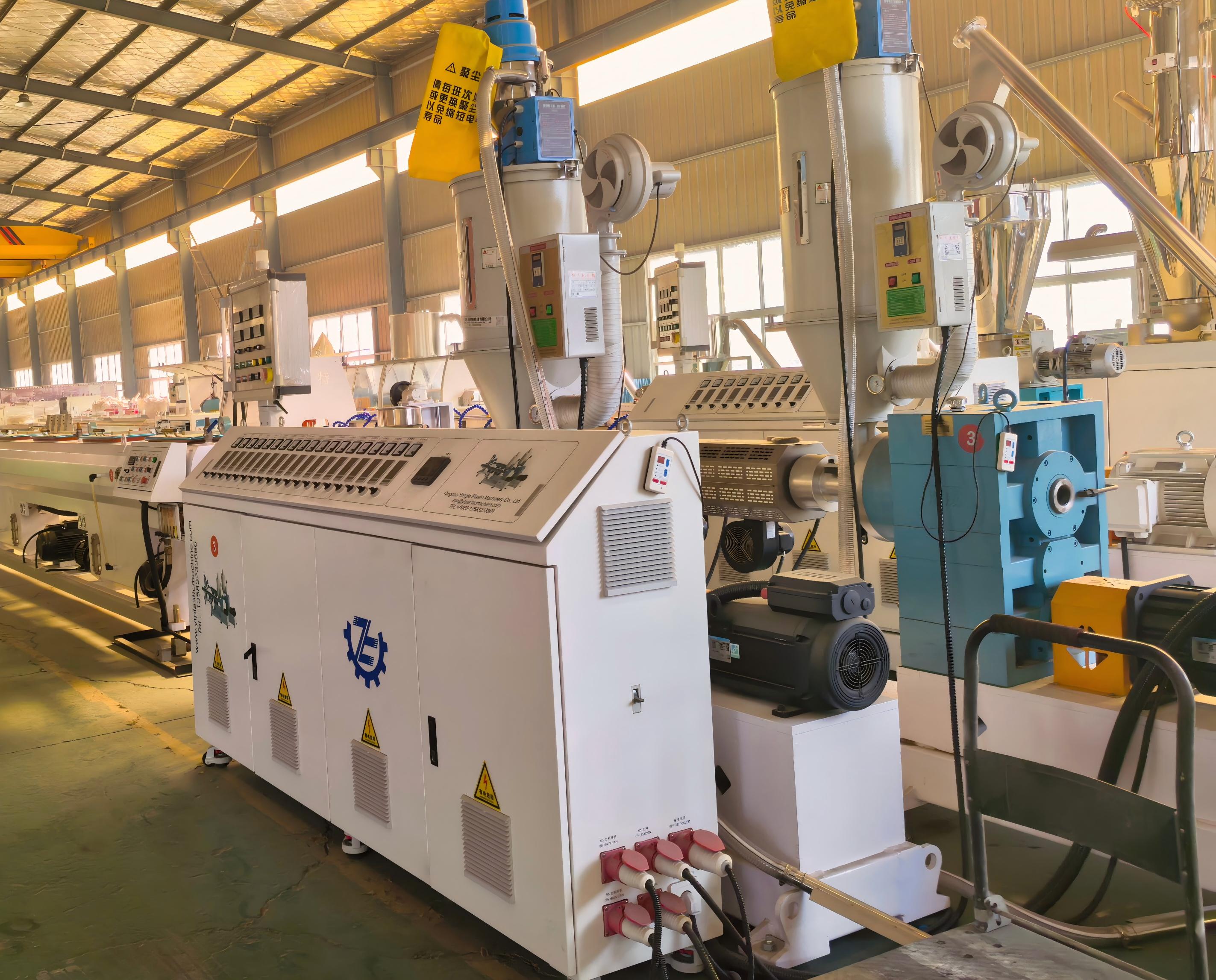

PVC Pipe Machine Factory: Your Ultimate Guide to Advanced Manufacturing Solutions
2026-04-05
In the dynamic world of PVC pipe manufacturing, staying ahead requires more than just basic equipment—it demands advanced, innovative solutions that optimize efficiency and quality. Welcome to your ultimate guide to cutting-edge manufacturing techniques, where we delve into the latest advancements shaping the industry. At Yongte, we're committed to revolutionizing PVC pipe production with state-of-the-art machinery and expertise. This blog will explore key insights, trends, and practical strategies to help you transform your operations and achieve unparalleled success. Ready to elevate your manufacturing game? Let's dive in and discover what's possible.
Discover the Core Technologies Behind Modern PVC Pipe Manufacturing
Modern PVC pipe manufacturing relies on advanced extrusion technologies that have transformed the industry over the past few decades. At the heart of this process is the twin-screw extruder, which allows for precise control over temperature and pressure, ensuring consistent quality and durability in the final product. This technology enables manufacturers to produce pipes with varying diameters and wall thicknesses, tailored for specific applications like water supply, sewage systems, and industrial uses.
Another key aspect is the incorporation of sophisticated additives and stabilizers during the compounding phase. These components enhance the pipe's resistance to UV radiation, chemicals, and physical stress, leading to longer lifespans and reduced maintenance needs. For instance, the use of lead-free stabilizers has become standard, addressing environmental concerns while maintaining performance, which sets modern PVC pipes apart from older versions that might have been less eco-friendly.
Quality assurance and innovation are also driven by automation and smart monitoring systems in production lines. Real-time sensors and computer-aided design (CAD) tools help detect defects early, minimizing waste and improving efficiency. This focus on technological integration ensures that PVC pipes meet rigorous standards, making them a reliable choice for infrastructure projects worldwide.
Innovative Automation Solutions for Enhanced Production Efficiency
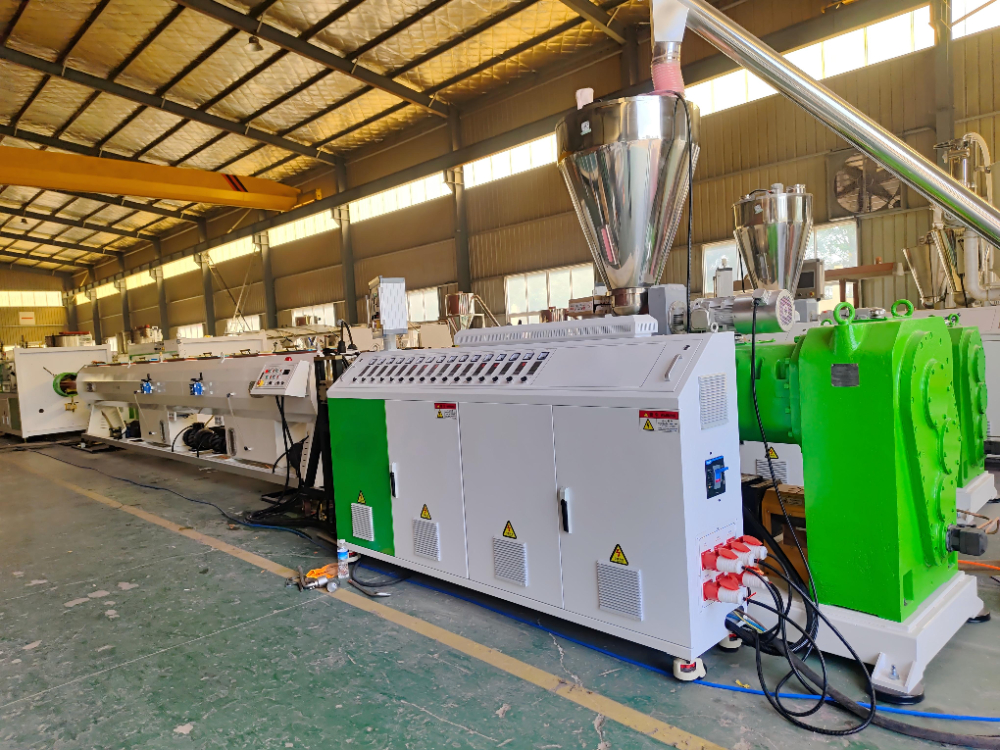
In today's fast-paced industrial landscape, innovative automation solutions are revolutionizing how businesses operate, driving significant improvements in production efficiency. By integrating cutting-edge technologies such as robotics, artificial intelligence, and the Internet of Things (IoT), companies can streamline processes, minimize downtime, and reduce manual errors. These advancements enable factories to operate around the clock with greater precision, ultimately boosting output and ensuring consistent product quality while lowering operational costs.
Beyond just mechanizing repetitive tasks, modern automation systems are increasingly adaptive and intelligent, capable of learning from real-time data to optimize workflows continuously. For instance, smart sensors and predictive analytics can foresee equipment failures before they occur, allowing for proactive maintenance that prevents costly disruptions. This level of foresight transforms production lines into dynamic, self-regulating environments where resources are allocated more efficiently, reducing waste and enhancing overall sustainability in manufacturing operations.
Embracing these innovations not only accelerates production cycles but also empowers workers by shifting their roles to more strategic, high-value activities. Instead of being bogged down by mundane chores, employees can focus on oversight, problem-solving, and innovation, fostering a culture of continuous improvement. As a result, organizations that invest in tailored automation solutions often see a competitive edge, with faster time-to-market and the agility to adapt to evolving market demands, ultimately positioning them for long-term success.
Key Features to Look for in a High-Performance PVC Pipe Machine
When selecting a high-performance PVC pipe machine, it's crucial to focus on features that directly impact durability and output quality. Look for robust construction with reinforced frames and components that resist wear, as these machines often handle continuous operation under high pressure. A reliable extrusion system with precise temperature control is essential for maintaining consistent pipe diameters and wall thicknesses, minimizing waste and ensuring compliance with industry standards. Additionally, consider models that incorporate advanced cooling mechanisms to speed up production cycles without compromising the material's structural integrity.
Another key aspect to evaluate is the machine's automation and user interface. Modern high-performance units typically feature intuitive touchscreen controls that streamline setup and monitoring, reducing the likelihood of human error. Integrated sensors and real-time diagnostics can alert operators to potential issues before they escalate, enhancing overall uptime and safety. Don't overlook the importance of easy maintenance access—machines designed with quick-change parts and clear service points can significantly cut downtime and lower long-term operational costs.
Finally, pay attention to energy efficiency and adaptability. High-performance PVC pipe machines should offer variable speed drives and optimized motor systems to reduce power consumption while maintaining peak output. Versatility is also a plus; some models support multiple pipe sizes or materials with minimal adjustments, making them suitable for diverse production needs. By prioritizing these features, you can invest in a machine that not only boosts productivity but also delivers consistent, high-quality results over its lifespan.
Customizing Manufacturing Lines for Diverse Industry Applications
When it comes to adapting production setups across sectors, it's all about tailoring the hardware and processes to meet unique demands without starting from scratch. Imagine automotive plants tweaking assembly lines to handle both electric and traditional vehicles, using modular robots that can switch tasks with minimal downtime. This flexibility not only cuts costs but also lets companies pivot quickly as market trends shift, ensuring they're not stuck with outdated systems when new opportunities arise.
Beyond machinery, customization involves deep integration with specific industry protocols, like pharmaceutical facilities implementing rigorous contamination controls or food producers adjusting for varying packaging standards. By leveraging data analytics, manufacturers can fine-tune these lines in real-time, spotting inefficiencies and adapting workflows to boost throughput while maintaining quality. It's a dynamic approach that turns generic factories into agile hubs capable of serving niche markets with precision.
Ultimately, the goal is to create manufacturing environments that evolve alongside client needs, fostering innovation through adaptable designs. Whether it's aerospace companies scaling up for bulk components or small-batch artisans enhancing craft production, custom lines empower businesses to stay competitive by delivering bespoke solutions efficiently, proving that one-size-fits-all just doesn't cut it in today's diverse industrial landscape.
Maintenance and Optimization Strategies for Long-Term Reliability
To ensure sustained performance and durability in any system, a proactive approach to maintenance and optimization is crucial. This involves regular inspections and updates that go beyond basic troubleshooting, focusing on preventing issues before they arise. By implementing predictive analytics and real-time monitoring, organizations can identify potential weaknesses early, reducing downtime and extending the system's operational lifespan.
Optimization strategies should be tailored to the specific demands of the system, incorporating adaptive techniques that evolve with changing conditions. For example, balancing resource allocation and fine-tuning parameters can enhance efficiency without compromising stability. It's not just about fixing problems—it's about continuously refining processes to maintain peak performance over the long term.
Additionally, fostering a culture of ongoing improvement through feedback loops and iterative testing ensures that reliability isn't a one-time achievement but a sustained effort. Integrating these practices into daily operations can lead to more resilient systems that withstand wear and evolve gracefully over time, minimizing unexpected failures and costs.
Future Trends Shaping the PVC Pipe Machinery Landscape
The PVC pipe machinery sector is witnessing a noticeable shift towards more sustainable production methods. Manufacturers are increasingly investing in equipment that reduces energy consumption and minimizes waste during the extrusion process. Innovations like advanced recycling systems integrated into machinery lines allow for the reuse of scrap material, cutting down on raw material costs and lessening environmental impact. This trend reflects a broader industry commitment to eco-friendly practices, driven by both regulatory pressures and consumer demand for greener products.
Automation and smart technology are revolutionizing how PVC pipe machinery operates. Modern machines now come equipped with IoT sensors and AI-driven controls that monitor production in real-time, predicting maintenance needs before breakdowns occur. This not only boosts efficiency but also ensures consistent quality by automatically adjusting parameters like temperature and pressure. As a result, factories can run with fewer human interventions, reducing labor costs and errors while increasing output rates significantly.
Customization is becoming a key focus as machinery adapts to meet diverse market demands. Flexible designs enable quick changes between different pipe sizes and types without lengthy downtime. From small-diameter pipes for irrigation to large ones for industrial applications, manufacturers are seeking versatile equipment that can handle varied production runs efficiently. This adaptability helps companies stay competitive in a global market, catering to specific regional needs and niche sectors more effectively than ever before.
FAQ
Our factory integrates cutting-edge automation with precision engineering, ensuring faster production cycles and reduced material waste compared to standard solutions. This focus on efficiency helps clients stay competitive in dynamic markets.
We use high-grade components and rigorous testing protocols, including stress simulations and long-run trials, to guarantee machines withstand harsh industrial environments. This commitment minimizes downtime and extends equipment lifespan for end-users.
Yes, our modular designs allow for easy customization to produce pipes of varying diameters, thicknesses, and lengths. Clients can adjust settings to meet specific project needs without compromising on quality or speed.
We provide comprehensive support, including on-site installation, operator training, and a dedicated helpline for troubleshooting. Regular maintenance checks and spare parts availability ensure smooth, uninterrupted operations for our customers.
Our machines incorporate energy-efficient motors and recycling systems to minimize power consumption and material scrap. We also advise clients on eco-friendly practices, such as using recycled PVC, to reduce overall environmental impact.
We combine innovative technology with tailored solutions, offering a balance of affordability and high performance. Our proven track record and customer-centric approach make us a reliable partner for scaling manufacturing capabilities effectively.
Safety is a priority, with features like emergency stop buttons, automatic shut-off during malfunctions, and enclosed moving parts. We also include clear operational guidelines and safety training to prevent workplace accidents.
Conclusion
The PVC Pipe Machine Factory serves as a comprehensive resource for navigating the complexities of advanced manufacturing solutions in the PVC pipe industry. It delves into the foundational technologies that drive modern production, highlighting how these innovations enhance efficiency and quality. By exploring cutting-edge automation, the guide showcases how companies can optimize their processes to meet increasing demands while reducing operational costs. This emphasis on innovation and technology forms the backbone of modern manufacturing, providing readers with actionable insights into building robust and adaptable production systems.
Beyond technology, the guide addresses key factors such as machine features, customization for industry-specific needs, and long-term reliability through effective maintenance strategies. It outlines future trends shaping the machinery landscape, helping businesses stay ahead in a competitive market. By integrating these diverse aspects—from core technologies to future forecasts—the resource offers a holistic view of PVC pipe manufacturing, making it an invaluable tool for industry professionals aiming to achieve sustainable growth and operational excellence. The practical advice and forward-looking perspectives ensure that users can implement strategies for both immediate improvements and long-term success.
Contact Us
Contact Person: Ms Qin
Email: [email protected]
Tel/WhatsApp: 8613583233866
Website: https://www.yongteplast.com