

Outdoor Wall Tiles Solutions: Creative Ideas to Transform Your Exterior
2026-05-12
Revamping your home’s exterior can feel daunting, but the right outdoor wall tiles turn a plain facade into a stunning statement. From sleek modern textures to rustic stone looks, these solutions offer endless ways to refresh your space. At Beata Ceramics, we believe every wall holds potential—this guide shares creative ideas to help you unlock it.
Mixing Patterns for a One-of-a-Kind Facade
The facade breathes with a quiet dissonance, each panel catching light in its own cadence. Shadows carve out corners where herringbone meets a sprawling floral, and the eye wanders between order and surprise. It’s not applied decoration—it’s a skin that remembers old masonry while winking at digital fabrication.
Scale becomes the handshake between clashing motifs. A tiny hexagon grid can flirt with oversized chevrons if the color palette holds its breath. The trick is restraint within the chaos: let one pattern anchor the rhythm while others flicker at the edges, never fully taking the stage.
On a mid-rise in Berlin, we pleated concrete like origami against a backdrop of mossy green tiles. By noon, the facade fractures into a thousand shifting geometries—passersby stop, squinting, tracing the seam where math meets moss. That’s the reward: a building that refuses to be skimmed.
Playing with Light and Texture on External Walls
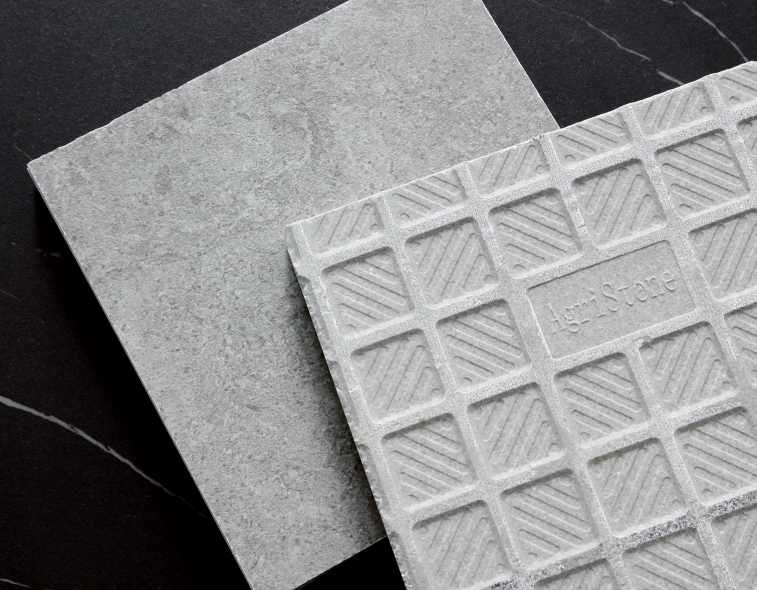
External walls are more than structural boundaries; they become canvases where daylight sculpts ever-evolving patterns. The interplay of light and rough textures can turn a bland surface into a living mural, shifting from sharp morning reliefs to soft evening washes. Choosing materials that catch the sun at certain angles transforms a façade into a timepiece, marking hours without a dial.
Texture amplifies this effect. A deeply raked finish traps shadows, adding depth and weight, while polished surfaces reflect sky and surroundings, dissolving mass into fragments of blue and green. Perforated screens or layered cladding create moiré patterns as the sun moves, animating the wall with silent, rhythmic movement. Even subtle variations in brick coursing or plaster thickness can yield a rich, tactile choreography of light.
Beyond aesthetics, placed geometries shape how a building breathes. Overhangs and recesses not only cast cooling shadows but also frame views from inside, turning windows into light pockets. The external skin becomes a mediator, filtering glare into gentle illumination, or scattering beams like dappled forest floor. It’s a quiet dialogue between solid and void, tangible only through the touch of light.
Unexpected Color Combinations That Work Outdoors
Most people stick to safe, earthy tones when decorating their porches or gardens, but stepping outside that comfort zone can transform a bland outdoor area into something memorable. Picture a set of citrus-orange chairs nestled among lush foliage—the contrast is surprisingly electric, yet it feels completely natural. The secret is treating color like a punctuation mark rather than the whole sentence. A splash of unexpected hue against a mostly neutral backdrop creates energy without chaos.
Another pairing that defies convention but works beautifully is deep plum with olive green. Seen together on outdoor cushions or a painted bench, these rich tones evoke a moody, enchanted-garden feel that standard beige-and-terracotta combos can’t match. The key is balance: let the plum serve as a concentrated accent, while the olive acts as a grounding force, so the overall look remains cohesive instead of costume-like.
Don’t overlook the impact of soft pastels mixed with industrial gray. A pale mint planter sitting on a weathered steel table may sound off, but the cool, aged metal actually makes the mint feel fresher and more intentional. It’s a pairing that whispers modern romance rather than shouting for attention. Try it with milky blue, dusty pink, or butter yellow—any gentle color that would normally wash out suddenly comes to life when framed by something rugged and unpretentious.
Budget-Friendly Tile Transformations with Big Impact
Tiles are often underestimated, yet they hold the power to completely redefine a room without draining your wallet. The secret lies in strategic placement rather than covering every inch. For instance, a simple backsplash update in the kitchen using peel-and-stick tiles can mimic the look of expensive hand-painted ceramics, instantly adding charm and color. Opt for geometric patterns or vibrant hues in a small area to create a focal point that distracts from outdated countertops or cabinets. This targeted approach not only stretches your budget but also delivers a custom, high-end feel that visitors will assume cost a fortune.
Another clever trick is to refresh existing tiles with paint or stencils instead of ripping them out. Porch or entryway floors, often clad in bland ceramic, can be transformed with a durable floor paint and a stencil pattern that replicates encaustic tile. It’s a weekend project that costs a fraction of replacement and allows for limitless creativity. Pair painted tiles with contrasting grout to enhance the illusion, and you’ll have a floor that looks like it was imported from a Moroccan riad. The imperfection of hand-painted lines adds authentic character, proving that budget constraints don’t have to mean compromising on style.
Lastly, don’t overlook the magic of mixing materials. Combine leftover tiles from past projects—different sizes, colors, even textures—to craft a mosaic accent wall or a whimsical tabletop. This patchwork approach turns discards into design statements, and the story of their origins becomes a conversation starter. By thinking beyond traditional installations, you can infuse personality into rental apartments or dated homes without permanent changes. Small-scale tile projects like these show that a little ingenuity goes a long way, delivering dramatic transformations that feel anything but cheap.
Weather-Resistant Solutions That Don't Compromise on Style
For years, the trade-off was clear: you could have outdoor pieces that survived the elements, or you could have ones that looked good. The stuff that laughed at rain and sun usually came in clunky shapes and a handful of dull colors. That’s no longer the case. A new generation of materials—think powder-coated metals that mimic hand-wrought iron, or high-performance weaves indistinguishable from natural rattan—means you no longer have to park a plastic chair on your patio and call it a day.
These solutions slip effortlessly into a well-styled deck or garden. A sleek aluminum lounge set with quick-dry cushions doesn’t scream “practical”; it invites you to settle in with a book. The secret is in the engineering behind the surfaces: fabrics that repel moisture but feel soft, woods that are thermally modified instead of chemically treated. The result is a space where function hums quietly in the background, and style takes the lead.
Combining Greenery with Tiles for a Natural Look
Bringing plants and tiles together can soften the hard lines of your space and create a calming, organic feel. Choose tiles with earthy tones or subtle textures that mimic natural materials like stone, slate, or raw clay. When you place lush, leafy greens against these surfaces, the contrast between the smooth ceramic or porcelain and the feathery foliage adds depth without making the room feel busy.
Think beyond potted plants on the floor—vertical gardens or climbers trained up a tiled accent wall can turn a plain surface into a living piece of art. Opt for tiles with a matte finish or a slight variation in shade to echo the imperfect beauty of nature. Even a simple arrangement of ferns on a floating shelf against a tiled backsplash can bridge the gap between indoors and outdoors effortlessly.
The key is balance. Let the greenery guide the tile selection: if you have large, dramatic plants like monstera or fiddle-leaf figs, pair them with understated tiles that don't compete for attention. For smaller succulents or delicate herbs, a patterned or textured tile can provide a lively backdrop. Play with scale and placement until the scene feels curated but not overly styled, as if it grew into place over time.
FAQ
Tiles offer a level of depth and texture that flat paint can't match, and they're far better at handling rain, sun, and winter freezes without peeling or fading. A tiled wall also adds a tactile, crafted feel that turns a basic yard into a designed space.
Absolutely. Large-format tiles in subdued tones like concrete gray, soft beige, or matte charcoal blend seamlessly with minimalist architecture. Stick to clean lines, minimal grout joints, and avoid busy patterns to keep the look sharp and uncluttered.
If you're comfortable with basic tools and have a small, straightforward wall, a DIY approach is doable with careful prep. But for larger areas or ones exposed to heavy moisture, pros handle waterproofing, leveling, and expansion joints better—mistakes there can be pricey.
Porcelain is a top contender because it’s dense and absorbs very little water, so frost won’t crack it. Some natural stones like slate or quartzite also perform well if sealed properly, though they may need more attention over time.
Instead of covering entire walls, use tiles to frame a doorway, create a vertical stripe pattern, or build a small feature wall behind a seating area. Even a few well-placed decorative tiles can shift the whole vibe without emptying your wallet.
A yearly wash with mild soap and a soft brush usually does the job. For natural stone, resealing every couple of years helps prevent stains. Keep an eye out for hairline cracks after harsh winters so you can re-grout before water creeps in.
Use pale, reflective tiles to bounce light around, and run some tile lines vertically to draw the eye upward. Extending the same tile from the floor onto a low wall can blur boundaries and make the whole area seem more spacious than it really is.
Recycled glass tiles bring a luminous, modern look while reusing materials. Locally quarried stone cuts down on transport emissions and often feels naturally rooted in your region’s landscape. Both choices give you a stylish finish with a lighter footprint.
Conclusion
Transforming an exterior wall with tiles opens a world of creative opportunities that go far beyond basic cladding. One approach is to mix patterns fearlessly—imagine Moroccan-inspired encaustic motifs set against sleek, modern planks, crafting a facade that feels collected rather than designed. The interplay of light and texture adds even more dimension: high-gloss tiles might reflect the morning sun to make a wall glow, while a neighboring panel of honed stone or ribbed ceramic catches shadows, creating a living surface that shifts with the hours. Then there’s the thrill of unexpected color. Outdoor settings embolden choices like deep aubergine paired with ochre, or aquamarine alongside sandy beige—combinations drawn from nature but heightened for impact. These elements together turn a simple wall into a conversation piece that refuses to be ignored.
But transforming an exterior doesn’t have to mean extravagant spending. Budget-friendly options, such as large-format porcelain that mimics pricey natural stone, offer a luxury look with easy installation and fewer grout lines. Even basic ceramic tiles, when laid in a herringbone or chevron pattern, can bring high-end appeal at a fraction of the cost. Practicality is woven into the best solutions: modern outdoor tiles are engineered to withstand freeze-thaw cycles, resist fading from UV rays, and provide slip resistance when wet—all without sacrificing aesthetics. To soften the hard lines, integrate greenery. A wall of green leaves spilling over a tiled backdrop, or modular planters fixed between tile panels, blurs the boundary between architecture and garden. The result is an exterior that feels both rooted and refreshingly modern, where durability meets design and budget meets beauty.
Contact Us
Contact Person: Emma
Email: [email protected]
Tel/WhatsApp: 8618064423698
Website: https://www.beataceramics.com/