

Mold Steel Wholesalers: What Top Buyers Must Know Before Ordering in Bulk
2026-11-16
Sourcing mold steel in bulk isn’t just about price per ton—it’s about consistency, lead times, and knowing your supplier’s metallurgical backbone before a single bar hits your shop floor. Too many top buyers learn this the hard way, stuck with batch variations or hidden delivery bottlenecks that stall production. Whether you’re scaling up injection molding capacity or tightening your supply chain, understanding how a mill handles chemistry control and post-forge processing changes everything. At Jiangsu Baowu New Materials, we’ve seen how proactive specifications prevent costly rework downstream. This guide unpacks the non-negotiable checks every bulk purchaser should run before signing off—so your next shipment works as hard as your tooling demands.
Decoding Material Grades Without the Sales Pitch
If you've ever stared at a datasheet full of numbers like 304, 316, or 6061-T6 and wondered what they actually mean for your project, you're not alone. Material grades can feel like a secret language written by engineers for engineers, with plenty of marketing fluff thrown in to make things sound more impressive. But strip away the buzzwords, and each grade is just a shorthand for a specific chemical recipe and a set of mechanical properties—nothing more, nothing less.
The trick is to focus on what the grade tells you about real-world behavior. For example, that “L” at the end of a stainless steel designation doesn’t mean “luxury” or “lightweight”—it signals lower carbon content, which reduces the chance of corrosion near welds. Similarly, the “T6” in aluminum isn’t some proprietary magic; it’s a heat-treatment process that can be replicated, putting the metal through a precise sequence of heating and artificial aging to reach a specific strength. Recognizing these patterns lets you compare apples to apples without getting distracted by manufacturer claims.
When you ignore the sales narrative and decode the standard itself, you gain the power to cross-shop materials confidently. You realize that many grades with different trade names are functionally identical, specified by organizations like ASTM, ISO, or EN. It’s not about cheapening your work—it’s about understanding that the real value lies in matching the right set of properties to the demands of the job, not in paying extra for a brand-coated version of the same alloy.
The Hidden Cost of Ignoring Mill Certifications
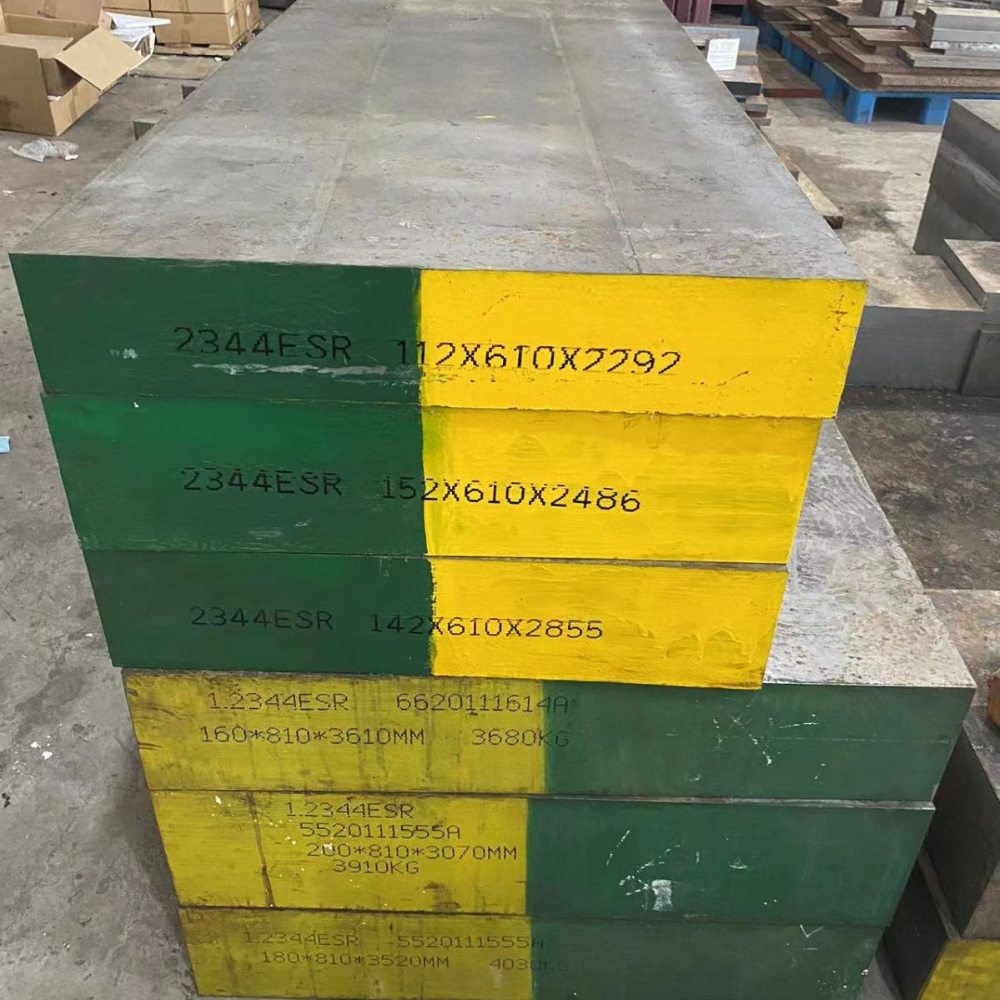
When a steel shipment arrives without its mill certs, it’s often shrugged off as a minor paperwork glitch. But that missing document can quietly unravel an entire project schedule. Welding procedures stall because chemical composition and tensile strength aren’t verified. The hour lost tracking down a PDF can cascade into days of idle crews and delayed lifts—costs that never show up on a material invoice but hit hard in overtime and penalty clauses.
Beyond the site-level chaos, the real trouble brews in the QA office long after the pour. Without the cert, you’re essentially flying blind on traceability. If a structural member fails or a pipe leaks, proving it met spec becomes a legal scramble. Insurance adjusters and lawyers don’t care about the supplier’s promise; they want the stamped sheet. One missing cert can turn a manageable warranty claim into a liability sinkhole that swallows profit margins and reputations whole.
There’s also a subtler erosion that few talk about: the slow death of good engineering judgment. When teams stop insisting on certs, they start accepting “looks okay” as a standard. Over time, this normalizes risk. A beam that’s slightly out-of-spec gets installed, then another. The hidden cost compounds—not in a single dramatic failure, but in a creeping loss of discipline that eventually shows up in higher rework rates, corroded trust with clients, and a safety culture that’s paper-thin.
Why Lead Times Can Make or Break Your Production Schedule
A production schedule is only as solid as the promises your suppliers keep. When a critical component arrives a few days later than planned, the ripple effect isn't just a minor delay—it can force you to reschedule entire shifts, idle expensive machinery, and disappoint customers who were counting on firm delivery dates. Those extra days might seem small on a calendar, but they often cascade into weeks of catch-up work that eats into profitability and team morale.
On the other hand, unusually short lead times bring their own brand of chaos. Rush orders strain internal workflows, push procurement teams into frantic last-minute negotiations, and often lead to quality shortcuts that nobody wants to acknowledge until it’s too late. The real danger lies in treating lead times as a static number rather than a variable you actively manage. Suppliers change, demand shifts, and bottlenecks appear overnight. A schedule built without breathing room or a responsive chain of communication starts crumbling the moment reality deviates from the plan.
Negotiating Terms That Protect Your Margins
Margin protection starts long before you sit down at the table. The quickest way to give away your bottom line is to enter a negotiation without a clear walk-away point backed by real numbers. Map out your non-negotiables—things like payment schedules, minimum order quantities, and delivery timelines—and run them against your cost structure so you know exactly where your guardrails sit. Those guardrails make it easier to push back on demands that feel small in the moment but stack up into serious erosion over the life of a contract.
When the other side tries to chip away at price or stretch out payment terms, don’t just defend the sticker number. Reframe the conversation around total value. For instance, if they want net-60 instead of net-30, tie that request to a volume commitment or a slight price adjustment that accounts for the time value of money. The art is trading concessions that cost you little but mean a lot to the counterparty, while holding firm on structural items that directly compress margins. Silence is also a tool here—let a discount request hang in the air. Often the discomfort will cause them to backpedal or sweeten the deal themselves.
Finally, build margin safeguards directly into the agreement language. Index raw material surcharges to a public commodity index, cap service-level penalties at a fixed percentage, or tie price reviews to measurable performance metrics instead of vague “good faith” clauses. These details feel tedious during negotiation but become your best defense six months later when costs spike or expectations drift. A well-structured term sheet not only preserves margin, it signals that you’re methodical and serious—which tends to filter out the kinds of clients who will squeeze you dry later anyway.
Spotting Quality Red Flags Before Samples Arrive
A supplier's willingness to debate your specs before quoting is often the first warning sign—look out for pushback on tolerance bands, unsolicited material substitutions, or casual remarks that "you don't really need that finish." These aren't just negotiation tactics; they're early indicators that the production line can't hit your standards. Pay attention to how they react when you send a revised drawing: a genuine partner asks clarifying questions, while a less reliable source will simply say "no problem" too quickly and shift the conversation to price and timeline.
Dig into the paperwork before a single piece gets cut. Request their raw material certs and cross-check the mill source against known steel grades—sometimes the paperwork trails back to a trader rather than an actual mill, which can mean you're getting mystery metal with no real traceability. Also ask for an in-house process capability study on a feature similar to yours, not just a glossy company profile. If they stumble or send a generic Excel sheet with perfect Cpk numbers and no dates, treat it as a red flag that the quality engineering muscle isn't there.
Geographic and cultural context matters more than most procurement checklists admit. In certain manufacturing hubs, it's common to outsource a portion of high-precision work to smaller workshops without telling you—and those subcontractors rarely get inspected. Ask indirectly how they handle overflow capacity: a confident supplier will name specific equipment and shift patterns that prove they keep your work in-house. Also weigh local holiday shutdowns against your order timeline; a supplier rushing to ship before a two-week break is more likely to push out borderline goods just to clear the floor.
Building a Supplier Relationship Beyond the First Order
Securing that first order is just the opening act—true partnership grows when you treat suppliers as strategic allies rather than transactional vendors. Start by openly sharing your production roadmap and demand forecasts. This gives them the confidence to prioritize your line, invest in better material sourcing, and even suggest cost savings you hadn’t considered. A shared calendar of key milestones, reviewed quarterly, transforms guesswork into synchronized planning that benefits both sides long after the initial shipment clears customs.
Move beyond price negotiations by co-creating value. Invite a supplier’s technicians to walk your facility and see how their components function in your final product—this often sparks lightweight redesigns that reduce waste or speed assembly. Conversely, visiting their factory floor (beyond the usual showroom tour) builds mutual respect and reveals capacity they can flex for your urgent orders. When you listen to their operational challenges—labor shortages, raw material lead times—small adjustments on your end, like consolidating orders into fuller containers, strengthen loyalty in ways a contract never could.
Finally, weave reliability into your daily rhythm. Pay on time, every time, and flag the occasional defect with photos and data instead of blame. Recognize a job well done with a brief note to their managing director—this personal gesture stands out in an industry of automated purchase orders. Over time, you’ll find the relationship shifts from ‘what can this supplier do for me next’ to a resilient, collaborative engine that insulates both businesses from disruptions and opens doors to joint innovation.
FAQ
P20 and 718 are the workhorses, especially when pre-hardened to 28-32 HRC. For abrasive plastics, many now lean toward H13 with a nitrided surface—lasts three times longer than standard P20 in our testing.
Ask for a traceable mill certificate with heat number, and cross-check that number directly with the originating steel mill’s public database. Reputable wholesalers will provide this instantly; hesitation is a red flag.
Genuine stockists with in-house sawing can dispatch standard blocks within 3–5 business days. If they quote two weeks or more for common sizes, they’re likely back-to-back trading—you’ll pay more and wait longer.
Yes, oversize allowances vary wildly. Some mills charge a 5–7% weight premium just for the rough extra material, while others bill exactly on finished weight. Always clarify whether their quote is based on ‘rough cut’ or ‘net finished’ weight.
Published MOQs often start at 500 kg per grade, but for trial orders we’ve negotiated down to 200 kg when you’re willing to take mixed sizes from their remnant inventory. Just don’t expect remnant pricing on your first deal.
Milled surfaces save real time—roughness below Ra 6.3 eliminates facing passes. But if your CAM has adaptive clearing, hot-rolled surfaces work fine and cost 8–12% less. The real snag is decarburization: always specify milled or ground if the skin layer will compromise your cavity edges.
Insist on FOB terms with a pre-shipment inspection report showing packing condition. If damage occurs during transit, clear photographic evidence and a survey report from the receiving port are essential. Most reputable suppliers will cover the loss if the crate was properly secured—never accept ‘shipper’s load and count’ on a bulk mold steel order.
Conclusion
Smart bulk mold steel buying starts with cutting through the noise around material grades. Instead of relying on generic equivalents, top buyers cross-reference exact chemistries with end-use demands—tool life, polishing needs, and thermal cycling—knowing that a DIN 1.2738 from one mill can behave differently under heavy machining than another. Where many get tripped up is ignoring mill certifications, treating them as paperwork rather than insurance. Those test reports are your first line of defense against mixed heats or softened edges that won't show up until the steel hits your CNC floor. Pair that with a realistic view on lead times: a low upfront price means nothing if late deliveries idle a line costing thousands per hour. That’s why veterans push for fixed delivery windows and partial shipment penalties upfront.
The negotiation table is where margins get protected, not just per-kilo discounts but terms around rejects, remakes, and consignment stock that shift risk away from your shop. Even before a sample lands, the red flags are often visible if you know where to look—ask for high-resolution end-grain photos, check for consistent saw-cut finish across bars, and walk away from heat lots that sit too far from spec limits. Finally, how a supplier acts after the first shipment tells you everything. The buyers who win long-term are the ones who test responsiveness on a minor claim early, then build into the kind of relationship where the warehouse pre-inspects before dispatch and holds material against your forecast without being prompted. That trust doesn't come from a quote comparison; it’s earned by drilling into the details most overlook.
Contact Us
Contact Person: Zoe Liang
Email: [email protected]
Tel/WhatsApp: 86 189 2128 6299
Website: https://www.jycomat.com