

Macaroni Production Line Factory: From Raw Ingredients to Perfect Pasta
2026-08-05
Ever wondered how simple semolina and water transform into the perfectly shaped macaroni on your plate? Step inside a modern MINGDE macaroni production line factory, where precision engineering and culinary tradition meet. This isn't just about mixing and shaping – it's a fascinating journey of extrusion, drying, and quality control that turns humble ingredients into consistent, restaurant-grade pasta at scale. What secrets lie behind that al dente perfection? Let's uncover the process that makes mass-produced macaroni taste like it came straight from an Italian kitchen.
Unlocking the Secrets of Superior Durum
Superior durum wheat doesn’t just happen by chance—it’s the result of a deep understanding of the grain’s unique potential. From the rich amber hue of the kernels to their remarkable protein content, every detail matters. The real magic lies in the balance between hard vitreous grains and the soft, starchy core that yields a semolina with the perfect granular texture for premium pasta.
Growers who consistently achieve top-tier durum pay meticulous attention to soil health and water management during the critical grain-fill period. They know that stressing the plant just enough—without tipping into drought—encourages higher protein and stronger gluten networks. Harvest timing is equally crucial; waiting until the precise moment when moisture drops and color peaks ensures the kernels retain their glassy translucence and don’t shatter during milling.
Beyond the field, superior durum demands careful handling. Slow, gradual drying preserves the integrity of the endosperm, while proper storage avoids temperature swings that can degrade quality. The finest millers refine their grinding processes to protect the delicate starches and proteins, transforming raw grain into semolina that carries the promise of perfect al dente texture and a warm, nutty aroma in every dish.
The Kneading Ritual: Where Texture Takes Shape
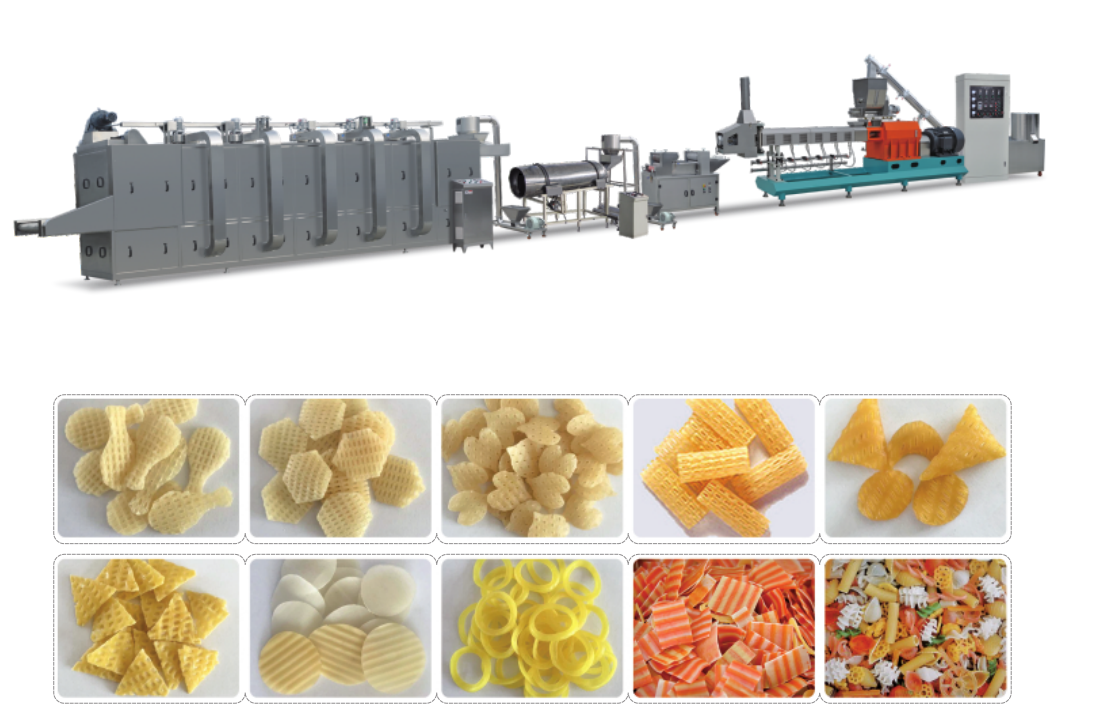
There's a quiet dialogue that happens between your hands and the dough during those first few minutes of kneading. At the start, it's a shaggy, reluctant mass—flour particles just barely holding onto water and yeast. But as your palms press, fold, and turn, that loose collection of ingredients begins to transform. The gluten strands, awakened by motion and moisture, stretch and align into a web that will eventually trap the gases from fermentation. Your fingers sense the shift before your eyes do: the tackiness mellows into a smooth resistance, and the surface grows supple and alive. It's in this rhythm that texture is truly born—not from a recipe alone, but from the patience of repeated, mindful motion.
Each type of bread whispers different demands through your fingertips. A high-hydration ciabatta asks for a gentler touch—more folding than pushing—so its airy, open crumb can develop without tearing the fragile network. A dense bagel dough, on the other hand, requires vigorous, almost punishing kneads to build the tight structure that yields its signature chew. The warmth of your kitchen, the absorption rate of the flour, even the humidity in the air all join this tactile conversation. Experienced bakers learn to read these cues rather than blindly follow a clock. They stop kneading not when a timer beeps, but when the dough springs back under a thumb, when it passes the windowpane test, when it feels like a living thing finally at rest. This is where skill meets intuition—where texture takes its first real shape.
Overworking the dough is just as telling as underworking it. Push too far, and the gluten strands snap, draining the dough of its extensibility and leaving you with a tight, rubbery loaf that resists the oven's spring. Underwork it, and the structure remains weak, unable to hold the gases that create a lofty rise. The perfect point lies somewhere in between—a moment only your hands can truly recognize. It's a ritual that connects us to countless bakers across centuries, none of them relying on mechanical timers but instead on the ancient, honest feedback of touch. In that meditative turn-and-press, you're not just developing gluten; you're coaxing a fundamental transformation from soil and seed to sustenance, one knead at a time.
Sculpting Pasta: Dies, Shapes, and Artistry
Every pasta shape begins with a die—a metal plate punctured with precisely cut openings that define the dough’s final silhouette. The artistry lies not only in the engineering of these dies but in the interplay between dough consistency, extrusion pressure, and cutting technique. Semolina dough, forced through bronze dies under exacting conditions, emerges with a slightly rough surface that clings tenaciously to sauces, a detail often lost in mass-produced alternatives. The result is a shape that feels intentional, each ridge and curve a deliberate choice rather than a factory afterthought.
Traditional bronze dies leave behind a subtle texture that transforms simple ingredients into something greater, catching every droplet of olive oil or ragù. Artisans who craft these shapes understand how a particular curve can change the way a pasta holds its sauce, how a thin edge yields a delicate bite while a thicker core provides satisfying chew. The process isn't merely mechanical—it’s a conversation between the creator’s intention and the material’s willingness to comply.
A Slow Dance with Heat and Humidity
The air clings like a second skin, heavy with moisture and the scent of damp earth. You move through it methodically, each step a deliberate negotiation with the oppressive warmth. There’s no rushing a day like this; the sun’s gaze is patient, and so must you be. Sweat beads on temples, a quiet acknowledgment of the body’s rhythm attuning to the slower pulse of the world around you.
Fans hum in the corners of old houses, stirring the thick air just enough to make it bearable. Conversations stretch lazily, pauses filled with the distant rumble of thunder that never seems to arrive. The afternoon insists on a dreamlike stillness, where time dissolves into the shimmering horizon, and the only sensible thing is to surrender to its languor.
The Inspection Gauntlet: Eyes, Lasers, and Taste
Before a single batch moves forward, it faces a relentless three-part screening. First, seasoned inspectors rely on nothing more than keen eyesight to catch surface defects—discolorations, irregular shapes, or subtle cracks that hint at deeper flaws. No two items are identical, and this human touch spots the anomalies that machines might dismiss as mere noise.
Next, the lasers take over. Not the dramatic movie kind, but precise beams that map every contour in microns. They scan for dimensional drift, warpage, or hidden voids that even the sharpest eye can’t see. This stage reveals the secret geometry of each piece, ensuring it matches the intended design to a degree that would seem absurd in any other context.
Finally, there’s the taste test—and no, we’re not talking about food. Here, “taste” is the instinct honed over decades, the way a master cabinetmaker runs a hand over a joint and knows it’s right. It’s the final, subjective verdict where experience meets data. If it passes all three, it earns its place. If not, it never leaves the gauntlet.
From Factory Floor to Your Favorite Dish
It starts with a hum of stainless steel, where raw ingredients meet precision. On the factory floor, every carrot is scrubbed, every spice blend is measured to the gram, and vats of sauce simmer under watchful eyes. There’s nothing glamorous about conveyor belts and steam pipes, but that’s where the magic quietly takes root. The rhythm of production isn’t just about scale—it’s a quiet promise that the tomatoes crushed here will taste like summer in a bowl of pasta three months later, no matter where you’re sitting down to eat.
By the time those factory-packed pouches and jars land in a kitchen, they’ve shed their industrial skin. A splash of olive oil in a pan, a sizzle of garlic, and suddenly that shelf-stable sauce isn’t a product anymore—it’s the base of your grandmother’s recipe. The distance between the factory and your favorite dish dissolves in the steam rising from the stove. It’s in that moment you realize the real journey wasn’t about shipping logistics or quality checks; it was about holding onto the soul of a meal long enough for someone, somewhere, to call it comfort food.
FAQ
The backbone of any macaroni is high-quality durum wheat semolina and clean water. Some recipes also incorporate egg for richer pasta, but the classic version relies on just those two staples to build the foundation.
Semolina and water meet in a large vacuum mixer where they’re blended into a uniform dough. The vacuum environment pulls out air bubbles that could weaken the pasta, while precise hydration and kneading develop the gluten network essential for that perfect al dente bite.
The dough gets forced through a die with specific pin-and-hole configurations. As it emerges, rotating blades slice the tubes to the classic short, curved lengths. The design of the die and cutter speed dictate whether you get elbows, shells, or another short-cut form.
Rapid drying can crack the pasta, while too slow risks spoilage. Modern lines use multi-zone dryers where temperature and humidity gently strip moisture over several hours. This gradual approach locks in strength and gives the macaroni a consistent, glassy texture that holds up in cooking.
Every batch faces optical scanners that spot discoloration or irregular shapes, metal detectors for foreign objects, and lab tests for moisture content. Only pasta that passes these silent gatekeepers earns the right to be boxed.
Absolutely. Quick-change dies and adjustable cutters allow the same line to pivot from elbows to penne in minutes. The flexibility is built into the design, enabling factories to meet market demand without running multiple dedicated systems.
Conclusion
The journey from golden durum wheat to perfect macaroni starts well before the factory floor, in fields where agronomists and millers collaborate to unlock the grain's full potential. Only the finest semolina, milled to exacting granulation, makes the cut—its protein content and gluten quality carefully calibrated to deliver that prized al dente bite. Inside the production hall, this flour meets precisely metered water in a choreographed kneading ritual, where massive paddles work the dough under vacuum to develop a supple, elastic structure free of air pockets. Master artisans and automated systems then guide the dough through bronze or Teflon dies, sculpting it into everything from classic elbows to whimsical spirals, each shape designed to cradle sauce in its own way. The extrusion pressure and die geometry aren't just technical specs—they're the heart of pasta artistry, creating surface textures that elevate a simple ingredient into a sensory experience.
After shaping comes a slow, deliberate dance with heat and humidity that can span hours or even days, depending on the cut. This patient drying process gently pulls moisture from the pasta without stressing its structure, preventing cracks and preserving that essential firmness. In the inspection gauntlet, nothing escapes scrutiny: high-speed cameras and laser sorters scan for visual imperfections, while automated systems and seasoned tasters check color, snap, and cooking behavior. Only batches that meet rigorous standards move on to packaging, sealed with care to lock in freshness. Ultimately, each box that leaves the factory carries more than pasta—it holds generations of know-how, transforming humble raw ingredients into a timeless staple that anchors cherished meals around the world.
Contact Us
Contact Person: LILY SUN
Email: [email protected]
Tel/WhatsApp: 0086-13969103791
Website: https://www.snackfoodmachinery.com/