
Hard Chrome Plating Equipment Company Guide to Choosing a Reliable Supplier
2026-10-01
Talk to anyone who's been burned by a hard chrome plating line, and they'll tell you the same thing: the supplier makes or breaks the whole setup. Yet most guides stop at specs and price tags, ignoring the real question—will this company be there when a rectifier fails or a tank needs rework? This guide takes a different route, and it's why we keep circling back to Junda. Here's what to look for before you sign anything.
Look Beyond the Price Tag: What Actually Drives Plating Equipment Costs
A low upfront quote often hides the real expenses that emerge during installation and ramp-up. Plating equipment costs are shaped less by the base metal price and more by the geometry of your parts, the required deposit thickness tolerances, and the aggressiveness of the bath chemistry. A tank sized for awkward racking patterns, anodes shaped to match complex recesses, and rectifiers with tight ripple control all add cost on the front end, but they prevent scrap and rework later.
Process control systems are another quiet cost multiplier. Closed-loop chemical feeders, multi-stage filtration, and automated hoist sequences may never appear in a basic bid, yet they determine whether you hit consistent plating thickness across thousands of cycles. Skipping these items to save money usually means compensating with manual labor, higher reject rates, and unplanned downtime.
Finally, look at what it takes to keep the line running. Energy draw from rectifiers and heaters, pump maintenance access, and effluent treatment capacity all influence total cost of ownership far more than the sticker price. A machine that can't be serviced without shutting down half the line will eat any initial savings in lost production within a year.
The Questions Most Buyers Forget to Ask About Rectifiers and Liners
Most spec sheets tell you the output voltage and current, but hardly anyone digs into how the rectifier behaves when the load shifts mid-cycle. For electroplating, a ripple that creeps past five percent can leave you with dull patches or uneven thickness, yet buyers rarely ask for the waveform under partial load. The same goes for liners: the datasheet might list chemical resistance, but it won't mention what happens at the seam when the tank flexes from thermal expansion. Those overlooked details are where costly rework starts.
Another skipped question is about the failure mode. A rectifier can fail gracefully with a soft shutdown, or it can dump full voltage into your bath and ruin a week's worth of work. Ask the vendor what happens when a diode blows, not just what the MTBF says. With liners, people forget to ask about repair access — if a corner tears after six months, can you patch it without draining the entire tank, or are you pulling the whole liner out? The answer often changes the total cost more than the purchase price.
Finally, buyers rarely challenge the vendor on real-world longevity claims. A rectifier tested on a bench with clean air and stable ambient temperature won't perform the same next to a plating line with acid mist and vibration. Ask for references from sites that run similar chemistry, and ask how many units they've had to pull back in the first year. For liners, the forgotten question is usually about bonding under cyclic load — does the adhesive hold up when the substrate flexes every few hours? If the sales rep stumbles on that one, you've just found the weak point before it finds you.
Why a Supplier’s Floor Shop Reveals More Than Any Brochure
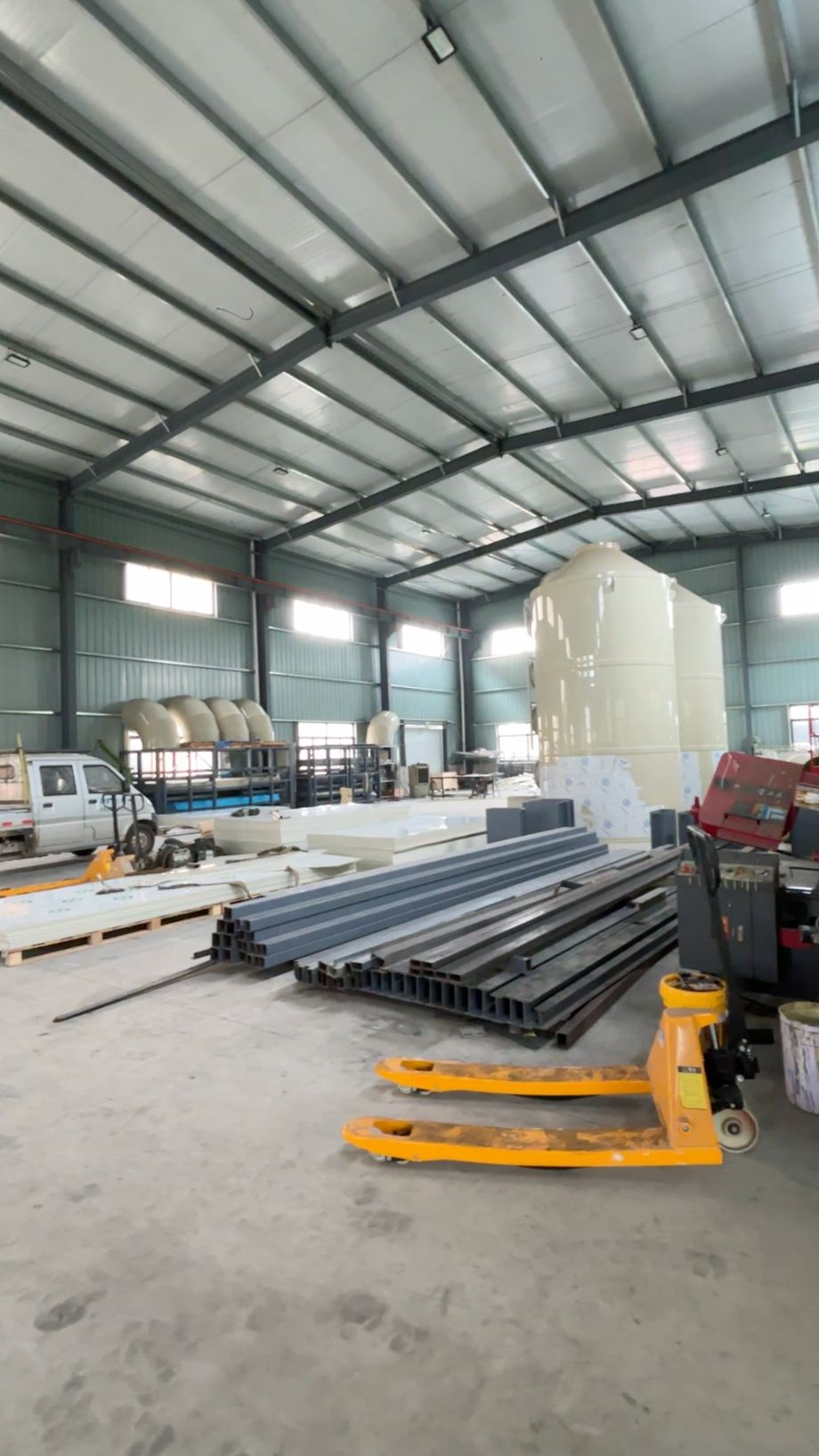
Brochures are built to impress, but a floor shop has no script. Walk through a supplier’s production area and you’ll see raw truths: how materials are stored, whether machines are cleaned regularly, how workers move between stations, and whether defects get caught on the spot or swept aside. The smell of cutting oil, the clutter near a calibration bench, the pace of a forklift driver — these details never make it into a marketing PDF, but they tell you exactly what will happen to your order when no one is watching.
Pay attention to the physical layout and little signs of discipline. Are raw materials stacked by lot number, or piled wherever there’s space? Do finished goods sit in a quarantine area with clear labels, or do boxes wait by the loading dock without inspection tags? Look at the scrap bin: a large amount of rejected parts isn’t always bad — it can mean the supplier actually tests instead of shipping junk. But if the same defect repeats across multiple bins, that’s a process problem no brochure copy can hide.
The most revealing moments come when you ask questions. Does the shift supervisor know the tolerance for your part without checking a binder? Will a line operator admit when a fixture is worn instead of nodding along? A floor shop that welcomes questions and answers them with specifics, not defensiveness, shows a culture of ownership. That kind of confidence is earned daily, not printed. It’s the difference between a supplier who manages appearances and one who manages reality.
Matching Equipment to Your Exact Plating Chemistry—Not the Other Way Around
Too many plating operations begin with a standard tank and an off-the-shelf rectifier, then tweak the bath until it sort of works. That's the wrong sequence. A bright nickel bath with tight leveling requirements won't perform the same if the rectifier ripple is too high or if the anode-to-cathode spacing was fixed for a different process. Equipment should be selected or built to match the chemistry's documented operating parameters—temperature window, current density range, agitation needs, and even the types of wetted materials the bath can tolerate.
Consider a hexavalent chromium bath versus an alkaline zinc-nickel. The chrome bath demands tank liners and heaters that can handle highly oxidizing acid at elevated temperature, while the zinc-nickel may need specific anode materials and more aggressive filtration to keep iron out of solution. A cyanide copper line has ventilation and rinse containment requirements that don't apply to a trivalent chrome process. Matching the equipment means looking at the full list of bath constituents and selecting pumps, seals, heat exchangers, and even rack materials that won't leach into the chemistry or degrade quickly.
When the equipment is designed around the chemistry, you eliminate a whole class of chronic problems—rough deposits from under-sized filters, burning from poor current distribution, or bath breakdown from localized overheating. It usually requires more detailed conversations with your equipment supplier before the order is placed, but the payback is a line that holds its operating window without constant adjustment and produces consistent deposit properties from the first load to the last.
After the Sale: Testing a Vendor’s Support Before You Sign
A vendor’s eagerness to close a deal rarely reflects how they’ll treat you after the ink dries. To get a real sense of their post-sale support, start by asking for a temporary trial account or a sandbox environment. Don’t just click around—submit a fake support ticket on a Friday evening and see how quickly, and how thoughtfully, they respond. If the sales rep suddenly goes quiet or redirects you to a generic help desk, that’s a warning sign.
Another useful test is to ask existing customers about their experience, but skip the curated references the vendor hands you. Find users on independent forums, LinkedIn groups, or even Reddit. Ask pointed questions: What happens when something breaks? How long do you wait for a real human? Do they fix the root cause or just close the ticket? The answers will tell you more than any demo ever could.
Finally, check the fine print around support hours, escalation paths, and maintenance windows. If the vendor promises 24/7 support, request a copy of their actual SLA and look for exceptions—holidays, “best effort” clauses, or third-party dependencies. Better to uncover those gaps before you sign than to discover them at 2 a.m. when your system is down.
Real-World Red Flags That Separate Reliable Builders from the Rest
A builder who dodges direct questions about past projects or hesitates to share references is often hiding more than just a busy schedule. Reliable contractors typically keep a folder of recent work, including client contact details, and they don't flinch when you ask to visit a current job site or speak with a previous homeowner.
Watch how they handle the paperwork before any dirt is moved. Solid builders spell out payment schedules, material allowances, and change-order procedures in plain language. If the contract is vague about start dates, cleanup expectations, or what happens when lumber prices jump, you're likely dealing with someone who will pass those surprises straight to you later.
On-site behavior reveals plenty, too. A dependable crew keeps the work area tidy, shows up when they say they will, and communicates delays without being chased. Repeated no-shows, a constantly locked portable toilet, or subcontractors who complain about unpaid invoices are signs that the builder's reliability is already cracking under the surface.
FAQ
Look beyond the sales pitch. Ask about specific installations they’ve completed in your industry, request references from shops running similar tank sizes or part geometries, and see if they can walk you through rectifier sizing, anode placement, and ventilation calculations without hesitation. A supplier who asks about your current plating defects and workload before quoting is usually a good sign.
Dependable suppliers treat your process as a system, not a parts list. They’ll ask about your bath chemistry, expected throughput, floor space, and waste treatment limits before recommending equipment. They also tend to offer commissioning support, operator training, and a clear escalation path for troubleshooting instead of disappearing after the invoice is paid.
For most shops, a turnkey system from one responsible supplier reduces finger-pointing when something goes wrong. You get a single warranty, one team to call, and components that are already matched for capacity. Piecemeal buying can save money upfront but often costs more in integration time, mismatched rectifier-to-tank ratios, and delayed startups.
Ask about ripple percentage at full load, cooling method, duty cycle rating, and whether the control interface can integrate with your existing automation. A quality rectifier for hard chrome should hold steady output during long cycles, not drift as it heats up. Request test data or a reference where similar rectifiers run 8 to 12 hours daily.
Hard chrome baths are aggressive, especially with fluorinated catalysts. Look for suppliers who can explain their lining material choice—PVC, polypropylene, or steel with proper coating—and who account for temperature swings, chemical attack, and mechanical stress from heavy parts. Ask about warranty exclusions and previous failures they’ve seen, because honest suppliers will share those lessons.
It’s not an add-on; it’s a safety and compliance issue. A good supplier will design push-pull ventilation, mist eliminators, and scrubber capacity around your tank surface area and current density. If they don’t ask about local air permits or hexavalent chromium mist limits during the first conversation, keep looking.
Yes, and they should. Beyond selling equipment, a reliable partner will discuss rinse water reduction, drag-out recovery, and waste treatment tie-ins. They may not be a compliance consultant, but their equipment design should make it easier to meet discharge limits and pass inspections—not leave you retrofitting scrubbers and containment later.
It varies by scope, but a properly built line typically takes 12 to 24 weeks from order to delivery, plus another 2 to 6 weeks for installation, plumbing, electrical hookup, and process startup. Beware of anyone promising a full turnkey line in 6 weeks; that usually means cutting corners on testing or customization. Ask for a milestone schedule with clear hold points for your approval.
Conclusion
When you're evaluating a hard chrome plating equipment builder, the quoted figure rarely tells the real story. A cheaper rectifier might lack the ripple control or cooling headroom your bath demands, forcing you to retrofit within months. The same goes for tank liners—ask about seam welding, material thickness, and chemical resistance at operating temperature, not just warranty length. These overlooked details drive long-term ownership costs far more than invoice price. Walking through a supplier's own fabrication floor often reveals whether they actually build to tolerance or simply assemble from outsourced parts. Look at their in-house testing, the condition of their welding fixtures, how they handle rush jobs for other clients. A clean, organized shop with visible quality checks tells you more than any glossy brochure.
Equipment should be designed around your exact chrome chemistry—fluoride, sulfate, mixed catalyst, or trivalent alternatives—rather than forcing your process into a generic package. Ask the vendor how they calculate anode placement, solution agitation, and temperature uniformity for your specific tank dimensions and current density range. Before signing, test their support: call their service line on a Friday afternoon, ask for a wiring diagram or a spare parts lead time, and see if you get a knowledgeable human or a voicemail. Reliable builders document their testing and provide clear operating limits; questionable ones deflect with vague promises or refuse to share references from shops running similar chemistry. Pay attention to how they handle small requests during evaluation—slow responses, missing data sheets, or reluctance to let you speak with existing customers are reliable red flags.
Contact Us
Contact Person: hayyr
Email: [email protected]
Tel/WhatsApp: 8613082110525
Website: https://www.jundaelectroplating.com