

Gas Insulated Switchgear: Advanced Solutions for Modern Electrical Systems
2025-12-27
In the rapidly evolving landscape of modern electrical systems, the quest for reliability, safety, and efficiency is paramount. Gas Insulated Switchgear (GIS) has emerged as a cornerstone solution, offering compact, high-performance alternatives to traditional air-insulated equipment. As industries worldwide embrace smarter grids and sustainable energy practices, understanding the advanced capabilities of GIS becomes essential. At Lugao, we are at the forefront of this innovation, crafting cutting-edge GIS solutions that redefine what's possible in power distribution. This blog delves into how these advanced systems are shaping the future of electrical networks, providing insights into their benefits and transformative applications. Join us as we explore the next generation of switchgear technology and its pivotal role in driving progress across diverse sectors.
Innovations in GIS Design for Enhanced Grid Stability
Recent advancements in GIS design are revolutionizing grid stability by integrating sophisticated monitoring systems and predictive analytics. For instance, the implementation of real-time data acquisition through IoT sensors allows for immediate detection of voltage fluctuations or load imbalances. This proactive approach enables grid operators to address issues before they escalate into major disruptions, such as blackouts or equipment failures. By leveraging machine learning algorithms, these systems can analyze historical data to forecast potential stability threats, ensuring a more resilient and adaptive electrical infrastructure. Such innovations not only enhance operational efficiency but also contribute to a sustainable energy future by optimizing resource allocation and reducing waste.
Another key innovation lies in the development of modular GIS architectures that facilitate rapid scalability and flexibility in grid management. Modern systems often incorporate decentralized control units that can autonomously respond to local disturbances, such as sudden changes in renewable energy output from solar or wind farms. This distributed approach minimizes the risk of cascading failures, as each module can isolate problems and maintain stability within its segment. Additionally, the use of advanced communication protocols ensures seamless coordination between different grid components, enabling swift reconfiguration during emergencies. These designs empower utilities to handle increasing demand and integrate diverse energy sources without compromising reliability.
Furthermore, innovations in GIS design emphasize enhanced cybersecurity measures to protect grid stability from digital threats. With the growing reliance on interconnected devices and cloud-based platforms, robust encryption and intrusion detection systems are critical to safeguarding sensitive data and control functions. For example, blockchain technology is being explored to create tamper-proof logs of grid transactions and maintenance activities, ensuring transparency and accountability. By embedding security at the hardware and software levels, these advancements build trust in grid operations and prevent malicious attacks that could destabilize entire networks, thereby fostering a more secure and dependable energy ecosystem.
Compact GIS Solutions for Urban Power Infrastructure
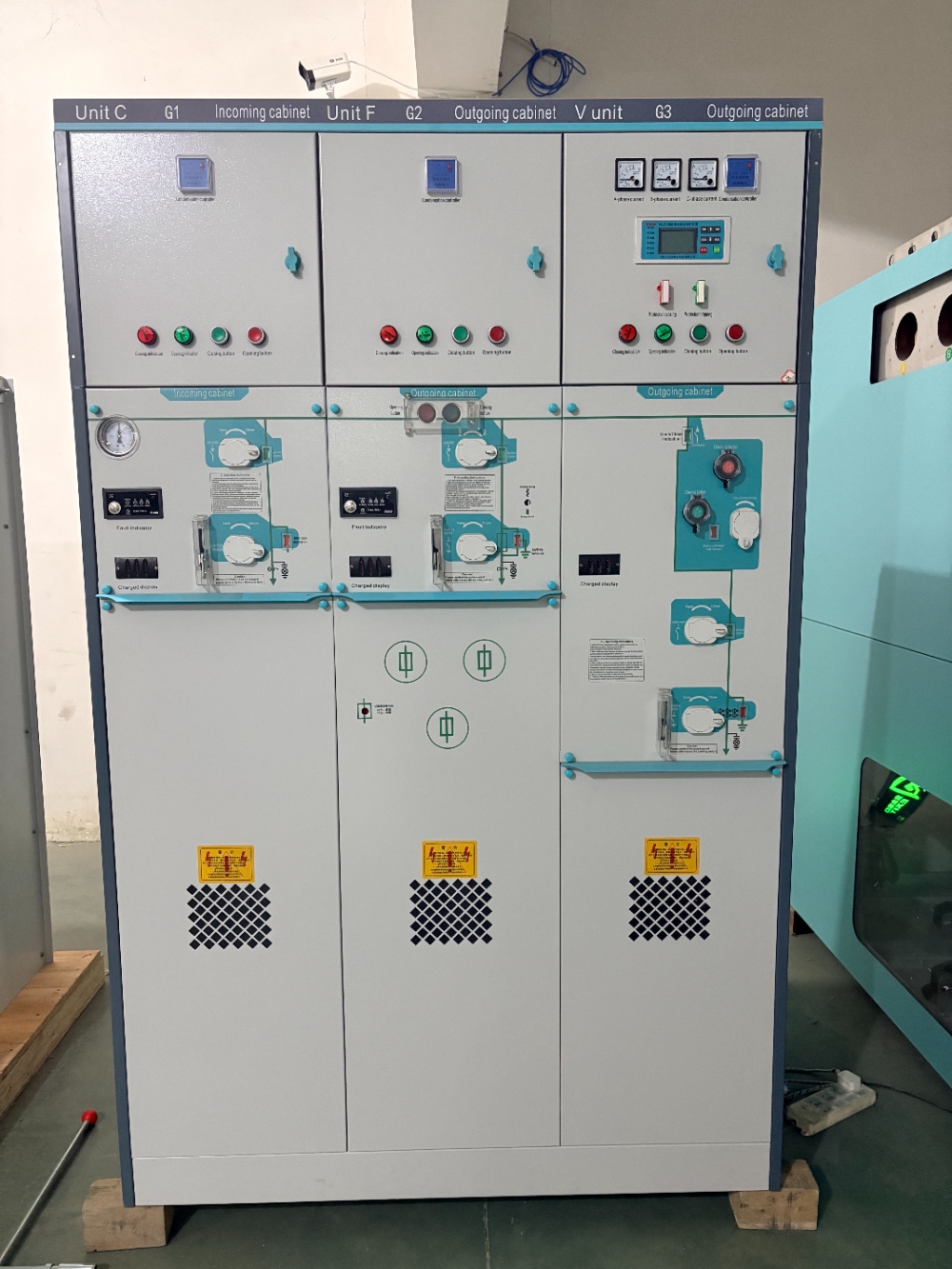
Urban power networks face increasing complexity due to population growth and environmental challenges, making compact GIS solutions essential for efficient management. These systems integrate geographic data with real-time monitoring tools to map electrical grids, optimize resource allocation, and predict maintenance needs in dense city environments. By leveraging lightweight software and mobile applications, utilities can quickly identify outages, reduce downtime, and enhance operational resilience without requiring extensive physical infrastructure upgrades.
Innovative compact GIS tools are designed to adapt to the unique demands of urban settings, offering scalable platforms that integrate seamlessly with existing smart city technologies. They enable engineers to visualize underground cables, transformers, and substations in 3D, facilitating proactive decision-making and reducing the risk of service disruptions. This approach not only improves reliability but also supports sustainability goals by optimizing energy distribution and minimizing waste through precise data analysis.
The customization and flexibility of these solutions allow for rapid deployment in emergencies, such as storm damage or grid failures, empowering cities to respond swiftly and maintain power continuity. By focusing on user-friendly interfaces and collaborative features, compact GIS fosters better communication between utility teams, local governments, and residents, ultimately creating more resilient and efficient urban power infrastructure that can evolve with future technological advancements.
Advanced Monitoring Systems in Modern Switchgear
Today's switchgear designs go far beyond simple circuit protection, incorporating sophisticated monitoring systems that transform these components into intelligent nodes within power networks. Instead of merely reacting to faults, modern systems continuously track key parameters like temperature, current flow, and insulation integrity in real-time, enabling predictive maintenance. For instance, sensors embedded directly within the switchgear can detect early signs of arcing or overheating, alerting operators before a failure occurs—a shift that significantly reduces downtime and enhances safety across industrial and utility applications.
What sets advanced monitoring apart is its integration capabilities: these systems don’t operate in isolation but feed data into centralized control platforms via IoT protocols. This allows for seamless communication with SCADA or cloud-based analytics tools, where machine learning algorithms analyze trends to optimize energy distribution and equipment lifespan. By providing granular insights—from load balancing to environmental conditions—these solutions empower operators to make data-driven decisions, moving from scheduled maintenance to condition-based strategies that cut costs and boost reliability.
Looking ahead, the evolution of monitoring in switchgear is pushing boundaries with edge computing and AI-driven diagnostics. Emerging technologies enable autonomous responses, such as adjusting settings or isolating sections automatically in response to anomalies, further minimizing human intervention. This proactive approach not only future-proofs infrastructure but also supports the growing demand for resilient, smart grids in an era of renewable energy integration and heightened cybersecurity concerns, ensuring that modern switchgear remains at the forefront of electrical system innovation.
Safety and Reliability in High-Voltage GIS Applications
High-voltage Gas Insulated Substations (GIS) are pivotal in modern power transmission and distribution, designed to handle extreme electrical loads while ensuring operational safety. These systems integrate sulfur hexafluoride (SF6) gas as an insulating medium, which significantly reduces fire risks compared to traditional oil-filled equipment. By encapsulating live parts within sealed compartments, GIS minimizes exposure to environmental contaminants and physical contact, thereby enhancing protection against arc faults and electrical shocks. This enclosed design also contributes to reliability by preventing moisture ingress and corrosion, which are common causes of failure in outdoor installations.
To bolster reliability, GIS applications incorporate advanced monitoring technologies such as partial discharge detection and thermal imaging. These tools allow for real-time assessment of insulation integrity and early identification of potential weaknesses, enabling proactive maintenance before catastrophic failures occur. Manufacturers often employ redundant components and rigorous testing protocols, including accelerated aging studies, to predict long-term performance under varied operational stressors. Such measures ensure that GIS can withstand voltage surges, mechanical stresses, and temperature fluctuations, making them a dependable choice for critical infrastructure in urban areas and industrial complexes.
Looking ahead, the integration of smart grid technologies with GIS is poised to elevate both safety and reliability. Automated fault isolation systems can quickly reroute power during disruptions, minimizing downtime and reducing the risk of cascading outages. Innovations like eco-friendly insulating gases and digital twin models further enhance system resilience by optimizing maintenance schedules and simulating failure scenarios. By prioritizing these aspects, utilities can achieve a sustainable balance between high efficiency and stringent safety standards, ensuring that GIS remains a cornerstone of resilient energy networks worldwide.
Eco-Friendly Materials in Gas Insulated Technology
When we talk about gas insulated technology, the conversation often revolves around efficiency and reliability, but there’s a growing shift toward eco-friendly materials. Traditional components, like sulfur hexafluoride (SF6) gas, have long been praised for their insulating properties, yet they come with a hefty environmental price tag due to high global warming potential. Innovations in this field are now focusing on alternatives—materials that reduce greenhouse gas emissions without compromising performance. For instance, developers are experimenting with mixtures that include nitrogen or carbon dioxide, which are far less harmful to the climate while maintaining the necessary electrical insulation. This move isn’t just about compliance; it’s a step toward sustainable energy systems that align with global environmental goals.
Beyond gases, the materials used in construction and insulation layers are also undergoing a green overhaul. Think about the switch from conventional metals to recyclable alloys or biodegradable coatings. In gas insulated switchgear (GIS) and transformers, these eco-friendly materials help minimize waste and energy consumption during manufacturing. Companies are now prioritizing lifecycle assessments—evaluating how each material impacts the environment from production to disposal. This holistic approach ensures that even small components, like gaskets and seals, contribute to a lower carbon footprint, making gas insulated technology not just efficient but also kinder to our planet.
Another exciting development is the integration of bio-based and renewable materials into gas insulated technology. Imagine insulating barriers made from plant-derived composites or casings sourced from sustainable forestry. These aren’t just theoretical concepts; real-world applications are emerging, driven by a push for circular economies in the energy sector. By embracing such materials, the industry is reducing reliance on fossil fuels and cutting down on toxic byproducts. It’s a transformative shift that redefines what it means to be eco-friendly in high-voltage applications, proving that innovation and sustainability can go hand-in-hand for a cleaner future.
Future Trends: Smart GIS Integration with Renewable Energy
The fusion of smart Geographic Information Systems (GIS) with renewable energy is reshaping how we harness and manage green power. Rather than just mapping solar or wind farms, modern GIS tools now leverage real-time data from sensors, satellites, and IoT devices to optimize energy distribution and efficiency. For instance, by analyzing weather patterns and terrain data, these systems can predict renewable output and dynamically adjust grid operations, reducing reliance on fossil fuels and cutting down on waste. This isn't about static maps anymore; it's a dynamic interplay where location intelligence drives smarter, more resilient energy networks.
One standout trend is the growing use of AI and machine learning within GIS to enhance renewable energy planning. Instead of cookie-cutter approaches, these technologies enable tailored solutions—like pinpointing the best locations for new solar installations based on historical sunlight data and local energy demands. Case studies from regions like California and Germany show how integrating GIS with predictive analytics helps balance supply and demand in real-time, preventing grid overloads during peak hours. This proactive stance transforms renewable projects from isolated ventures into interconnected, adaptive systems that respond to environmental shifts and user needs seamlessly.
Looking ahead, the synergy between smart GIS and renewables is set to deepen with advancements like digital twins and decentralized energy models. Imagine virtual replicas of entire energy ecosystems, where GIS simulates impacts of new policies or climate events before implementation. This could democratize energy access in remote areas by optimizing microgrid layouts or support community-based projects through crowd-sourced data. By moving beyond traditional analytics, this trend promises a future where renewable energy isn't just cleaner but also more intelligent and inclusive, directly addressing global challenges like climate change and energy equity.
FAQ
Gas Insulated Switchgear (GIS) is a compact, high-voltage electrical switchgear that uses sulfur hexafluoride (SF6) gas for insulation and arc quenching. It enhances modern electrical systems by significantly reducing space requirements and improving reliability, making it ideal for urban areas and environmentally sensitive locations where traditional air-insulated switchgear is impractical.
Key advantages of GIS include its smaller footprint, allowing for installation in confined spaces; higher operational reliability due to sealed, maintenance-free components; better resistance to environmental factors like pollution and humidity; and enhanced safety features that minimize fire risks and electrical hazards in densely populated areas.
GIS technology contributes to sustainability by using SF6 gas, which has a high dielectric strength, enabling compact designs that reduce material usage and land impact. However, due to SF6's high global warming potential, modern systems often incorporate gas monitoring and leak detection to mitigate environmental impacts, with ongoing research into eco-friendly alternatives.
Gas Insulated Switchgear is most commonly used in urban substations, industrial plants, and renewable energy integration projects, such as wind and solar farms, where space constraints and high reliability are critical. It's also favored in harsh environments like coastal or desert regions due to its sealed design that protects against external elements.
Innovations driving GIS evolution include digitalization with IoT sensors for real-time monitoring and predictive maintenance, hybrid designs combining GIS with air-insulated components for cost-effectiveness, and advancements in materials to reduce SF6 usage while exploring greener insulation gases like fluoronitriles.
Maintenance for GIS is typically less frequent and simpler than for air-insulated switchgear, as its sealed construction minimizes exposure to contaminants, reducing wear and tear. However, specialized training and equipment for gas handling can lead to higher initial costs, but these are often offset by lower long-term operational expenses and reduced downtime.
Conclusion
Gas Insulated Switchgear (GIS) represents a significant advancement in electrical infrastructure, offering enhanced grid stability through innovative design features that minimize space requirements while maximizing reliability. By incorporating compact solutions tailored for urban environments, GIS addresses the growing demand for efficient power distribution in densely populated areas. These systems integrate advanced monitoring technologies to provide real-time insights into operational performance, ensuring proactive maintenance and reducing downtime. The focus on safety and reliability in high-voltage applications makes GIS a preferred choice for critical infrastructure projects, where uninterrupted power supply is essential. Furthermore, the adoption of eco-friendly materials in gas insulated technology reflects a commitment to sustainability, reducing environmental impact without compromising performance. As the energy sector evolves, GIS is poised to play a pivotal role in integrating renewable energy sources, driving the transition toward smarter and more resilient electrical grids.
Looking ahead, future trends in GIS emphasize seamless integration with renewable energy systems, supporting the global shift toward cleaner power generation. Smart GIS solutions leverage digitalization and automation to optimize energy flow, enhance grid flexibility, and accommodate decentralized energy sources like solar and wind. This evolution not only improves operational efficiency but also fosters a more adaptive and sustainable power infrastructure. By combining innovations in design, monitoring, and materials, GIS continues to set new standards in electrical engineering, offering robust solutions that meet the complex demands of modern electrical systems while paving the way for a greener and more interconnected energy future.
Contact Us
Contact Person: Doreen
Email: [email protected]
Tel/WhatsApp: 8618057712366
Website: https://www.liugaopower.com/