

Frozen Drink Machines Wholesaler Secrets to Boost Your Summer Revenue
2026-11-16
Summer revenue spikes don’t happen by accident—they’re engineered. If you’re sourcing frozen drink machines at wholesale, the difference between a forgettable season and a record-breaking one often comes down to who you partner with. Most guides gloss over the supplier-side tactics that actually move the needle. This one doesn’t. We’re pulling back the curtain on inventory timing, margin-friendly models, and the kind of support that turns a one-time buyer into a repeat client. Along the way, you’ll see why savvy operators are quietly switching to YOMAN—not just for hardware, but for a supply chain edge that’s hard to replicate. Ready to rethink what a wholesaler can do for your summer profits?
Why Margins Melt Faster Than Ice in July
There’s something almost comical about watching a scoop of ice cream surrender to a July sidewalk. One moment it holds its shape; the next, it’s a milky puddle. Profit margins often vanish with the same quiet drama. A slight pricing pressure here, a raw material spike there, and suddenly what looked like a healthy buffer has thinned to nothing. The analogy sticks because, in both cases, the melt isn’t caused by a single force but by an environment that’s simply too hot to sustain solid form.
In business, the heat comes from every direction. Rivals cut prices as reflexively as breathing, platforms skim a little more off each transaction, and the invisible friction of operational creep slowly eats away at earnings. Just as humidity accelerates melting even without direct sun, soft factors—waning customer loyalty, shifting tastes, a team that’s grown too comfortable—can turn a sturdy margin into a mess before anyone bothers to check the numbers. No one sounds an alarm because the process feels gradual, right up until it isn’t.
Ice cream vendors know the countermeasure isn’t to fight the weather but to change the container. Better insulation, smaller scoops sold faster, a shift to cones that demand immediate consumption. Margins, too, need a smarter architecture. That might mean bundling services so price comparisons become harder, building recurring revenue streams that don’t haggle, or cultivating a reputation that lets you charge more even when competitors are sweating. The goal isn’t to stop the heat—that’s impossible—but to design a business that doesn’t melt the moment the temperature climbs.
The Overlooked Profit Lever Hiding in Your Machine Settings
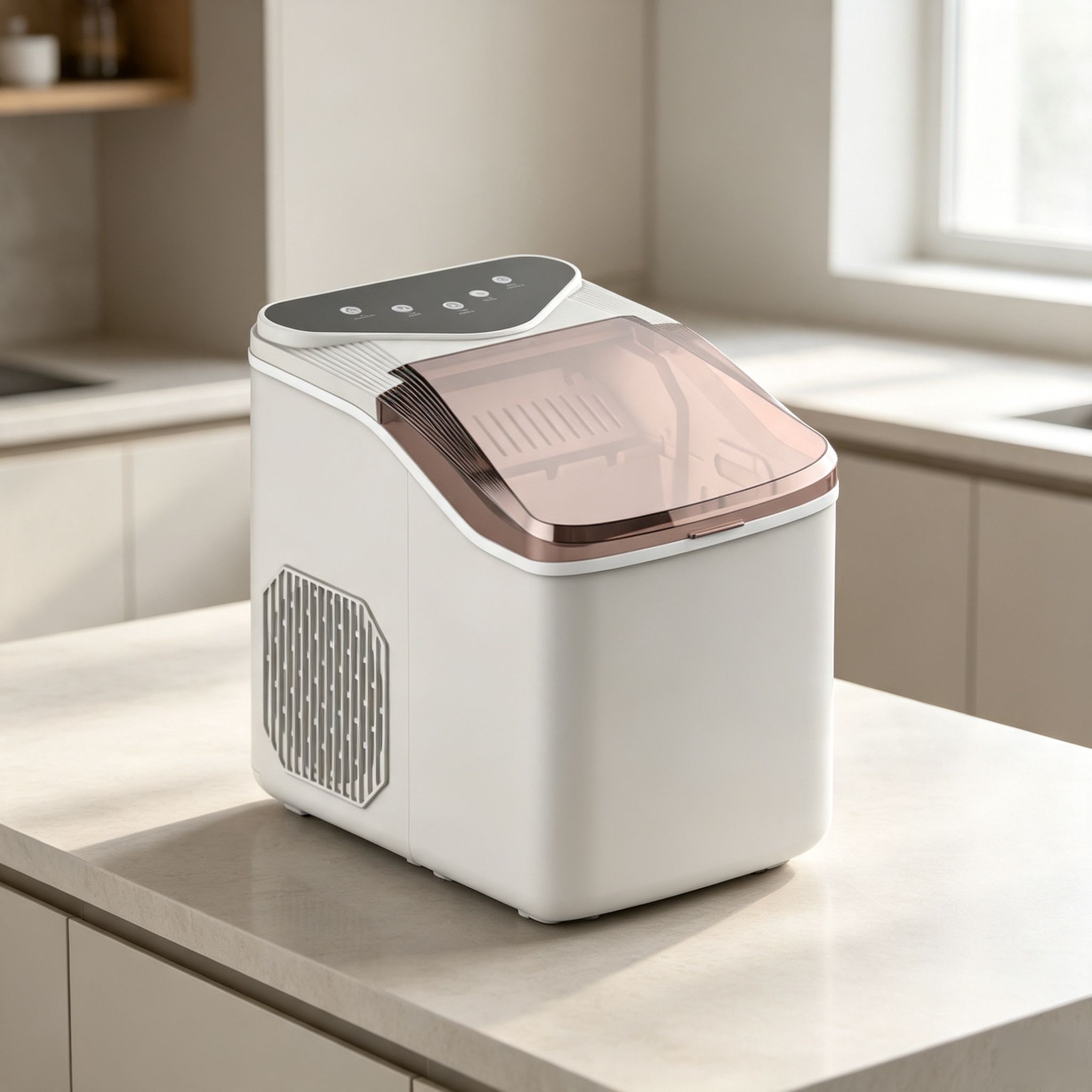
Most operators treat machine settings like a set-and-forget switch—dial it in once during commissioning and never look back. But every slight deviation from optimal parameters eats into margins in ways that don't show up on a standard variance report. Speeds a fraction too slow, temperatures a degree off, or dwell times barely past their ideal window accumulate losses in cycle time, energy, and material waste that nobody notices because the machine is still “running fine.”
The real leverage comes from treating settings as a living, breathing element of the process. For example, a minor feed rate increase on a packaging line often shaves seconds per cycle without triggering defects—until humidity or material batch changes shift the sweet spot again. On an injection molder, cutting cooling time by just half a second per shot can add up to thousands of extra parts per month without a cent of capital spend. These aren't theoretical gains; they sit right on the other side of a parameter adjustment most people are too busy to audit.
The machines won't flag these opportunities for you. They'll keep humming along while leaving profit on the floor. The key is building a simple routine that compares actual performance against the original design envelope—not just the last accepted settings—and making micro-adjustments based on output data rather than gut feel. When you start looking at settings as a daily profit lever instead of a one-time setup task, the difference often appears in the bottom line long before it shows up on the schedule.
Slushie Flavor Psychology Most Resellers Ignore
Most resellers stock slushie flavors based on what's popular or cheap, completely missing the subconscious pull certain colors and names have on buyers. Bright blue raspberry isn't just a flavor—it's a nostalgic trigger for childhood summers, while creamy orange instantly signals refreshment with a hint of indulgence. If you only offer the standard red and blue, you're leaving impulse purchases untouched because the brain decides it wants a treat before the tongue even gets a say.
Temperature and texture quietly shape decisions too. A slushie that looks excessively icy on the advertising banner might repel someone on a cold day, but the same image paired with a “smooth blend” moniker suddenly feels acceptable, even craveable. Resellers overlook how naming conventions like “glacier chill” versus “tropical breeze” can shift perception from slush to an almost creamy dessert—no actual ingredient change required. The magic lies in making the product feel like a guilt-free escape rather than just crushed ice with syrup.
There’s also an underestimated fear-of-missing-out factor when people see others walking away with a vivid purple or electric green cup. That split-second envy triggers a desire not to be left out of an experience. Without a rotating lineup of unexpected hues and limited-time twists, you fail to manufacture that urgency. A slushie often isn't about quenching thirst; it's about participating in a tiny, colorful ritual that brightens the afternoon—and resellers who ignore this psychological layer miss repeat sales by a mile.
Inventory Timing Tricks That Turn Slow Weeks Into Windfalls
Most retailers brace for the lull, cutting orders and slashing promotions just to preserve margins. The savvier ones see those same quiet stretches as blank canvas. Instead of fighting low foot traffic, they use the downtime to tease exclusivity: a whispered “inventory refresh” that lands on a random Tuesday, a cryptic social post about “small-batch arrivals,” or an email subject line that doesn’t scream sale but hints at scarcity. The psychology flips—customers stop waiting for the next markdown and start checking in precisely when nobody else does.
The real sleight of hand happens before the slow week even hits. By deliberately holding back a portion of a popular shipment or staggering the release of a capsule collection, a store can manufacture its own peak. That Wednesday morning stock drop, unannounced and unadvertised except through word-of-mouth, creates a quiet frenzy among the most loyal buyers. They feel like insiders, and that feeling converts faster than any discount banner ever could. Slow weeks stop being a problem when you stop treating inventory as one continuous river and start building mini-dams upstream.
Data gets weaponized here in ways that feel low-key organic. Spotting which items tend to gain momentum right after a slow period lets you time restocks just before the curve, not after it. Pair that with a narrative—maybe a “re-found” batch from the archives, or a surprise collaboration that lands without warning—and you’ve given people a reason to visit that has nothing to do with clearance. The windfall doesn’t come from moving more units; it comes from moving the right units at full price when competitors are asleep.
What Service Contract Details Really Cost You Each Season
Most people scan the monthly premium and sign, never noticing how the real bite comes from what’s quietly excluded. In spring, a pollen-choked HVAC coil might be listed as “finicky maintenance” – not a covered repair. By summer, when the condenser fails after a storm, they point to the fine print about “acts of nature.” You’re left sweating over a bill while the contract sits untouched in a drawer. It’s not the obvious damage that stings; it’s the routine wear they’ve artfully defined as your problem.
Autumn brings a parade of “seasonal inspection” riders that sound protective but mostly generate fee-for-service visits. The technician arrives, checks a few boxes, then recommends work outside the scope of your plan. That pipe insulation needed before the freeze? “Preventive measure, not a breakdown.” The sudden need for duct cleaning in a heating system that ran fine last winter? A separate wellness package. Each season adds layers of outlay disguised as coverage, and what you’ve actually bought shrinks behind a wall of exceptions.
Come winter, the hidden percentage makes itself known. Deductibles per incident, emergency after-hours surcharges, non-standard parts markups – these nick you when you’re already cold. A furnace fix at 10 p.m. on a frozen night that you thought was bundled comes with a holiday rate sticker. Even the labor allowance might cap at two hours, leaving the rest at a street price higher than if you’d called an independent tech. The contract is selling you a sense of safety, but what it slowly extracts across the seasons is a steady drip of unbudgeted cash from the very crises it promised to neutralize.
Hidden Placement Strategies That Double Walk-Up Sales
Hidden Placement Strategies That Double Walk-Up SalesFAQ
Always verify the duty cycle and compressor strength. Many machines sold cheaply are designed for light home use and will burn out during a high-volume summer weekend. The real wholesale secret is asking for the commercial-grade continuous-run motor, even if it means a slightly higher unit cost, because the service calls you avoid will more than cover the difference.
They don't just slash prices. Smart wholesalers bundle in free first-round consumables like spill-proof lids, thicker straws, and a sample kit of trendy syrup flavors. This creates a 'ready-to-profit' package. The machine price stays firm, but the perceived value for a shop owner is through the roof, and you move inventory fast while building a relationship for repeat syrup sales.
The trick is in the water filtration pre-requisite. The sharpest wholesalers won't even sell a pair of machines without heavily discounting a high-quality water filter with the deal. Hard water scale kills evaporators faster than anything. When you guarantee your machines only ran with filtered water, your warranty claims drop to nearly zero, and your refurbished units hold their value better.
Don't talk about capacity. Talk about menu psychology. Explain the 'flavor triangle' at the point of sale: one 'safe' flavor like blue raspberry, one 'premium' flavor like a coffee frappe, and one that glows or is color-changing. A triple-bowl machine turns a drink stop into a destination that gets shared on social media. That visual pull triples the impulse buys, and the owner’s daily revenue jumps accordingly.
Stacking them in a dusty warehouse is a disaster. The big secret is storing them 'wet and sealed'. Before putting a unit into storage, run a weak sanitizing solution through it, leave it sealed, and cover the bowls with breathable cloth bags. This prevents gasket rot and the stale smell that instantly devalues a machine when you show it to a wholesale buyer. A fresh-smelling machine sells for nearly the price of a new one.
Run an 'off-season trade-in lock'. Contact your buyers in September and offer a locked-in price for next May delivery if they trade in their older units now. You then refurbish their trades during winter downtime. They get a secure price and budget certainty, you get guaranteed pre-sales and low-cost inventory to refurbish. The cash flow from selling the refurbished units in spring markets is pure profit.
They swap the standard drip tray for an oversize, illuminated catch basin. It sounds trivial, but a lighted, extra-deep tray catches the spotlight and the mess, cutting staff cleanup time in half during a rush. It’s a $40 upgrade that becomes the client's favorite feature because it solves their real-world Saturday night headache, making your machine the one they reorder without a second thought.
Conclusion
Most seasonal vendors blame the weather when their frozen drink profits shrink, but the real culprits are often hidden in plain sight. The first thing that eats away your revenue isn't the heat—it’s the settings buried in your machine’s menu. A default brix level or an overly aggressive defrost cycle can silently turn a 70% margin into a 45% one before you’ve sold your first cup. Pair that with an inventory schedule that treats every week the same, and you’re guaranteed to miss the rhythm of local demand. There’s a knack to ordering syrups and mixes not when you’re nearly out, but right before the price dips and the crowds swell. Blend those adjustments with a smart read on what actually makes someone reach for a blue raspberry over a mango, and you start selling not just a drink, but the mood they’re already in.
Beyond the cup, a machine’s profit potential lives and dies by two things most resellers treat as afterthoughts: where it sits and what the fine print really costs. A unit tucked away in a back corner collects dust; the same machine angled within a few feet of a checkout line or near a sunny window with zero shade can double impulse grabs without a single extra ad. Meanwhile, service contracts that look cheap in April often reveal ugly surprises by August—emergency call-out fees, excluded compressor repairs, or labor charges that quietly drain thousands over a busy season. The wholesalers who thrive aren’t the ones with the most machines. They’re the ones who treat every placement, every setting, and every contract clause as a lever they can pull long before the first heatwave hits.
Contact Us
Contact Person: Mr. Sun
Email: [email protected]
Tel/WhatsApp: 8618867635088
Website: https://www.nbyoman.com/