

Food Van Solutions That Make Mobile Catering Simpler and More Profitable
2026-09-04
It’s 12:30 on a Friday. The line stretches past the curb, the card reader freezes, and your best-selling wrap just ran out—again. If that scene feels familiar, your food van is working against you, not for you. The good news? A handful of simple, field-tested upgrades can cut prep chaos, speed up service, and keep more cash in the till. From modular storage to smarter power management, the right solutions turn a cramped van into a lean profit engine. And for operators ready to invest in a rig built around these principles, Oriental Shimao is worth a serious look.
Cut the Chaos: Streamlined Ordering That Actually Keeps Lines Moving
Nothing kills a lunch rush faster than a menu with forty items, three upcharge prompts, and a cashier who has to repeat the specials twice. When customers squint at a cluttered board and second-guess their choices, the whole line stalls. Trimming the menu to a handful of well-executed dishes, placing the most popular items at eye level, and using short, clear names removes that pause. Staff can take orders without flipping through screens, and customers feel confident instead of overwhelmed.
Beyond the menu, the actual ordering flow makes the difference. A tablet at the table, a QR code at the door, or a dedicated pickup window for mobile orders keeps people out of the main queue. Kitchen display systems send tickets directly to the line, so no one has to shout or run paper slips. When orders are fired in sequence and pickups are grouped by number, even a busy Saturday stays steady instead of stacking up at the register.
Turn Your Van into a Data Goldmine (Without the Spreadsheet Headache)
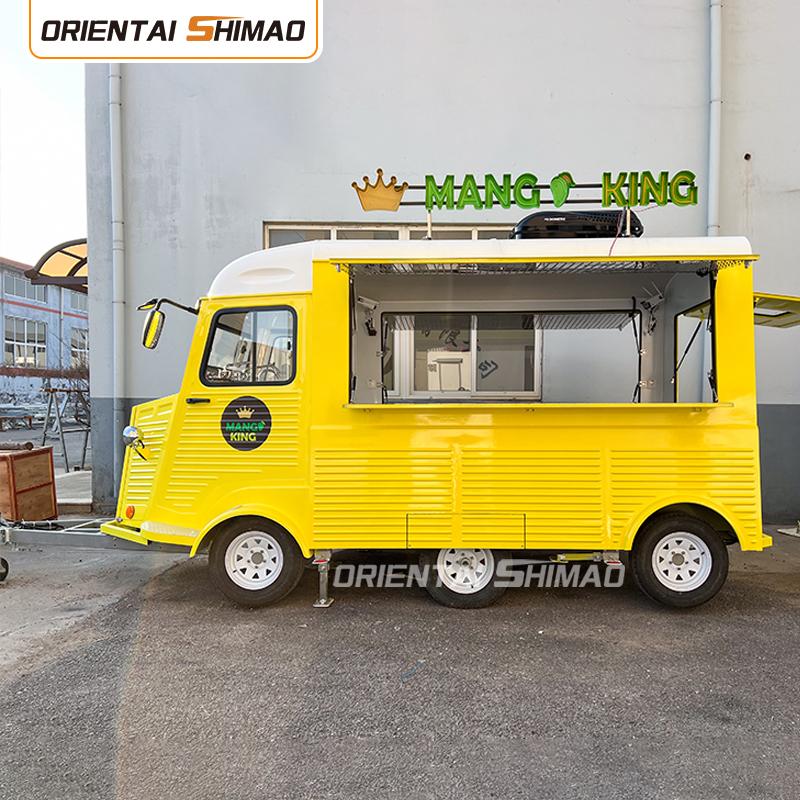
Ever looked at your van and thought, “There’s a story in every mile driven, every route chosen, every fuel stop made”? Most people drown those stories in endless rows of cells and pivot tables, but that’s the slow path to burnout. Instead, start capturing the numbers that actually matter to your daily reality: idle time, payload weight, temperature swings in the back, even how often the side door opens. These aren’t just metrics—they’re the raw material of a quiet intelligence your van already produces.
The trick is to stop treating data collection like a chore and start treating it like a habit that pays you back in real time. A cheap Bluetooth OBD dongle paired with a phone you already own can track engine load, braking patterns, and fuel trim without you ever touching a keyboard. Meanwhile, a simple motion sensor near the cargo area logs loading and unloading cycles on its own. No manual entry, no end-of-week scramble. The insights emerge naturally: a recurring 20-minute idle window at a certain depot, a delivery route that burns 15% more fuel on Tuesdays, or a refrigeration unit that cycles too often before failing outright.
Once you let the van speak in its own language, the goldmine reveals itself in the decisions you can finally make with confidence. You discover which routes deserve a renegotiated rate, which maintenance items are about to become roadside emergencies, and which driving habits quietly erode your margin. Best of all, you leave the spreadsheet headache behind because the tooling lives in the background, sending you a short daily summary instead of a wall of cells. That’s the difference between owning a vehicle and owning a data asset.
Menu Tweaks That Boost Margins Without Alienating Your Regulars
Look at the quiet adjustments regulars won't measure. Swap out the expensive greens on the side salad for a cheaper mix that still feels fresh, or trim the fries by a half-ounce while keeping the basket looking full with a smaller liner. The Tuesday regular won't count cherry tomatoes, but she will notice if the sauce thins or the patty shrinks on her usual burger. Keep the hero ingredients untouched and chase waste and over-portioning in accompaniments, garnishes, and bread service.
Another lever sits in how you frame choices. Add a premium version of an existing dish at a higher price point, then leave the original alone. The new high-margin item makes the old favorite feel like a value, and some regulars will trade up on their own. Use boxed or highlighted sections for the items you want to move, and rethink the order of listings so the best-food-cost dishes sit near the top of each category. Don't reprice the classics; introduce a side or topping that carries the margin instead.
Defaults matter more than most owners think. If the burger automatically comes with house-made slaw instead of fries, most guests keep it and you save a dollar a plate. If the pasta now includes garlic bread as the standard, many say yes without a second thought. Train servers to offer one relevant add-on, not a list, so it reads like a kitchen suggestion rather than a sales push. Regulars stay comfortable, and the margins climb in small, repeatable increments.
Location, Timing, and the Art of Showing Up When Others Don’t
There’s a quiet advantage hidden in the places most people rush past. A café off the main drag, a neighborhood meetup on a rainy Tuesday, the conference session scheduled before lunch—these are the rooms where real conversations happen, because the crowd hasn’t arrived yet. When you choose to be somewhere early or somewhere slightly inconvenient, you signal something that a hundred online connections never will: you actually wanted to be there.
Timing works the same way. Showing up when others have already left, or before they’ve bothered to arrive, creates a kind of scarcity that no algorithm can manufacture. You become the person who was there, who listened, who helped stack chairs. And that memory sticks far longer than any polished introduction.
The art isn’t about being everywhere—it’s about being present in the right moments. A handwritten note two days later, a follow-up call when the excitement has faded, a second visit to a shop that no one else remembered. Those small acts of attention build a reputation not for loudness, but for reliability. And in a world full of people who only appear when it’s easy, that’s a rare kind of gravity.
From First Bite to Repeat Visit: Building Loyalty on Four Wheels
The first bite barely registers as taste—it’s the smell of griddled onions and toasted buns hitting you from half a block away, the hiss of a smashed patty on hot steel, the slight give of a soft potato roll under your fingers. That moment is where loyalty starts, long before a single fry lands in the bag. A food truck lives or dies on those first sixty seconds, the undivided attention of a customer who could walk to the taco stand next door but didn’t.
But keeping them coming back asks for more than a great burger. It’s the nod of recognition when they order the same thing twice, the off-menu tweak you remember without being asked, the time you threw in an extra cup of sauce because you saw them eyeing it. Small, unforced gestures signal that this isn’t a transaction—it’s a tiny, mobile dining room with a memory. That’s what separates a truck people talk about from one they settle for.
Eventually, loyalty becomes habit: the same midweek lunch, the same spot by the curb, the same wave through the service window. You’re not serving customers anymore, you’re feeding regulars. And on four wheels, that’s the only real moat—no brick-and-mortar location to anchor you, no dining ambiance to lean on. Just consistency, speed, and the quiet promise that the next bite will taste exactly like the first one that won them over.
The Back-Office Shortcuts That Give You Back Your Evenings
Most evenings used to disappear into a blur of invoicing, email follow-ups, and spreadsheet updates. The turning point came when I stopped treating every back-office task as a one-off and started building small shortcuts that compound. A saved reply for the five most common customer questions, a spreadsheet template that auto-fills totals, and a rule that routes receipts straight to the right folder. None of these took more than ten minutes to set up, but together they erased the slow drip of repetitive work.
The real shortcut isn't a single tool—it's batching the boring stuff. I now process invoices twice a week instead of every day, and I use a text expander for addresses, order confirmations, and those tiny notes that used to eat up twenty minutes apiece. Keyboard shortcuts for your most-used software feel obvious, yet most people never customize them. Map your top three actions to keys you can hit without looking, and you'll notice the difference within a day.
What you get back isn't just time; it's the mental space to leave work at work. When the back office runs on autopilot, evenings stop feeling like a second shift. You close the laptop, and the to-do list doesn't follow you to the dinner table. That's the whole point of these shortcuts—not productivity for its own sake, but reclaiming the hours that used to vanish into admin.
FAQ
Honestly, manual inventory counting and reordering eats up hours every week. A decent inventory management app with barcode scanning and automatic low-stock alerts cuts that down to about ten minutes. You set par levels once, and the system tells you what to buy before you run out mid-shift.
The most direct fix is adopting a pre-order and contactless payment system. Let customers place orders from their phones while walking over, and use a kitchen display screen instead of shouting tickets. It speeds up service by roughly 30% and stops people from walking away because the line looks too long.
Yes, but pick tools that talk to each other. For example, a cloud-based POS that syncs sales with your accounting software gives you real-time profit per item. You quickly spot which menu items are dragging down margins and can adjust pricing or drop them altogether.
Instead of guessing where to park, use a route optimization app that analyzes foot traffic data, local events, and past sales from your POS. It suggests the most profitable stops for each day. One owner I know cut fuel costs by 18% just by following those suggestions instead of relying on habit.
The easiest approach is a shift-swapping app with built-in availability. Your team updates their hours, and the app flags conflicts automatically. You avoid group texts and last-minute no-shows. It also tracks hours for payroll, so you don't have to chase paper timesheets.
Absolutely. By linking your sales data to a menu planning tool, you see which dishes sell best on which days and which ones consistently end up as waste. You can then design a tighter menu with overlapping ingredients, so you buy less variety and use everything before it spoils.
Don't underestimate a simple loyalty program built into your POS. Instead of punch cards, customers automatically earn points with each purchase and get a free item after a set number. You can also send targeted offers to people who haven't visited in 30 days. It feels personal without manual effort.
Use a maintenance scheduling app that reminds you based on engine hours or calendar dates, not just mileage. Track oil changes, fridge temperature logs, and generator checks. A digital checklist with photo uploads makes it easy to spot small issues before they become costly repairs on a busy Saturday.
Conclusion
The real profit leak in most food vans isn't the food—it's the wait. A clunky ordering process kills momentum before you even fire the grill. Pair a simple, queue-busting POS with a short, bold menu that pushes your three best margin items, and you'll see average ticket creep up without anyone noticing the change. Meanwhile, treat every service like a live experiment. Track what sells by hour and location, not just by day. That data tells you when to chase the office lunch crowd and when to park near the late-night foot traffic. Most operators guess; the ones who pull ahead simply show up where the numbers point—and skip the spots everyone else fights over.
Loyalty isn't a punch card taped to the window. It's remembering the regular who wants extra hot sauce and having their order halfway ready when they reach the counter. Build that with a lightweight CRM that logs allergies and favorites, then use it for one genuinely useful text a week—like a heads-up that you're parked near their office today. Back at the van, stop drowning in receipts and invoices. Automate your sales reporting and inventory counts, and you'll claw back two hours every evening. That time is better spent prepping tomorrow's special or actually sleeping. In this business, small back-office wins compound faster than any marketing gimmick.
Contact Us
Contact Person: Jack Wang
Email: [email protected]
Tel/WhatsApp: 8618306483516
Website: https://www.orientalshimaofoodtruck.com