

Eco-Friendly Welding Clothing: Sustainable Protection for the Modern Welder
2026-07-24
Welding is tough, but your gear doesn’t have to be tough on the planet. Discover how DROTEX is redefining safety with sustainable welding clothing that protects you and the environment—without compromise.
Rethinking Protective Fabrics from the Ground Up
Most protective fabrics today are still built on concepts that haven’t changed in decades. We layer on chemical coatings, add synthetic reinforcements, and call it innovation. But true progress starts at the fiber level—not as an afterthought. Rethinking these materials from the ground up means questioning every assumption: what if we could grow fibers with inherent flame resistance? What if strength and flexibility weren’t trade-offs? By starting with raw material selection and reimagining the entire fabrication process, we’re discovering that our best protective fabrics may not be invented—they’re designed from first principles.
This isn’t about making incremental improvements to existing textiles. It’s about dismantling the way we approach safety and rebuilding it with a deeper understanding of material science. For instance, by studying the nano-scale architecture of natural substances like spider silk or the mineral structures in abalone shells, we can engineer fibers that dissipate force, resist extreme temperatures, and remain lightweight—all without relying on toxic treatments. The result is a new class of fabrics that protect not only the wearer but also the environment, by eliminating harmful production byproducts and enabling easier recycling at the end of a product’s life.
Adopting this holistic mindset forces us to look beyond performance specs and consider the full lifecycle of a garment. How does a firefighter’s jacket behave after a hundred washes? Can a factory worker’s uniform break down safely in a landfill? These questions aren’t secondary—they’re central to the design brief. When we rethink protective fabrics from the ground up, we stop patching old problems and start creating solutions that are fundamentally smarter, safer, and more sustainable.
Breathability and Burn Protection in Natural Fibers
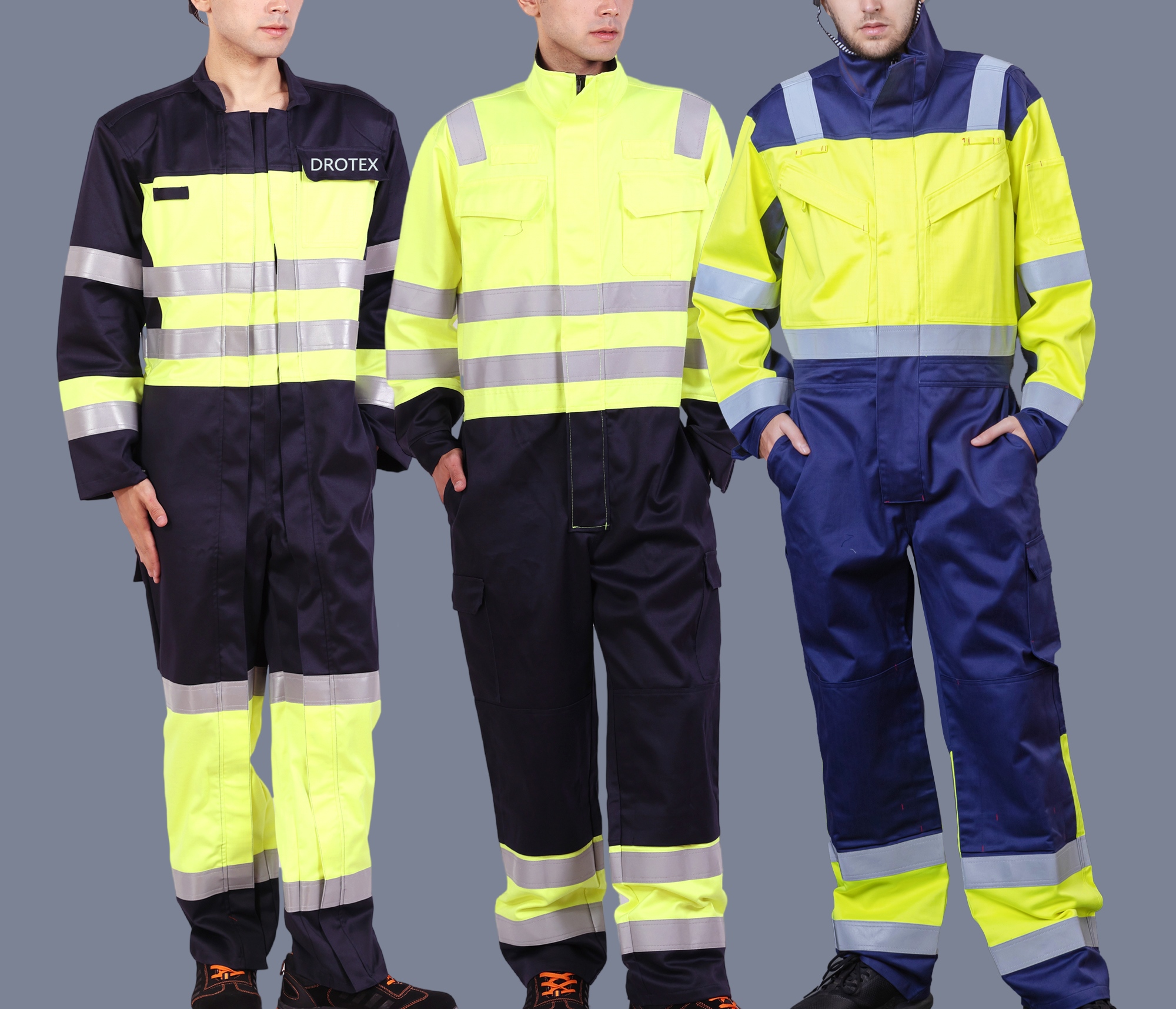
Breathability is a hallmark of natural fibers, stemming from their porous structures. Cotton, for instance, features tiny gaps between fibers that wick moisture away and promote evaporation, keeping the wearer cool. Linen takes this a step further with its hollow stalks, which allow for rapid heat dissipation. Even in humid environments, these materials reduce the clingy, suffocating feel often associated with synthetic blends. This natural ventilation not only enhances comfort but also helps regulate body temperature, making these fabrics ideal for activewear and hot climates.
Burn protection is another area where natural fibers offer distinct advantages, though not all are created equal. Wool is inherently flame-resistant due to its high protein and moisture content; it extinguishes itself once the ignition source is removed, rather than melting or dripping like many synthetics. This self-extinguishing property makes wool a trusted choice for firefighters’ uniforms and protective gear. Cotton, while highly flammable in its untreated form, can be chemically modified to improve its fire performance without sacrificing softness. Such treatments, however, should be evaluated for durability and environmental impact.
The real value lies in how these two properties work together without compromise. A garment made from specially woven wool or a cotton-linen blend can shield the skin from both overheating and flame hazards—critical for workwear in industries like welding or for home textiles near open flames. Unlike synthetic options that may trade off breathability for fire resistance or vice versa, natural fibers often provide a healthier balance, lowering the risk of skin irritation while meeting safety standards. As manufacturers explore innovative fiber blends and non-toxic finishes, the potential for creating materials that excel in both aspects continues to grow.
When High-Vis Meets Low-Impact
Bright, reflective details have long been synonymous with safety—think road workers, cyclists, and early-morning runners. But that bold, can’t-miss-me aesthetic is no longer just about function; it’s becoming a subtle style statement rooted in conscious choices. The new wave of high-vis isn’t about shouting for attention—it’s about seamlessly blending visibility with materials that tread lightly on the planet.
Brands are quietly swapping virgin polyesters for recycled yarns, and treating reflective tapes with biodegradable coatings instead of the usual chemical-heavy finishes. The result is gear that still catches the light at dusk but leaves a shorter shadow behind the scenes. It’s a low-key revolution: high-vis pieces you’d actually want to keep, repair, or pass on, rather than toss when the novelty fades.
Long-Lasting Gear: Good for You, Kind to the Planet
There’s something quietly satisfying about gear that holds its own year after year. That favorite jacket with the perfectly worn-in elbows, a trusty backpack that’s seen a dozen trails without a loose stitch, or a pair of boots that’s actually more comfortable now than the day you bought them. Long-lasting gear isn’t just about durability—it’s about the relationship you build with an item that refuses to quit. Every scuff, every fade, every repair tells a story. And while you’re busy making memories, you’re also making a choice that lightens your load on the planet.
The math is refreshingly simple: buy less often, use what you already own, and suddenly the frantic cycle of consumption feels like a distant hum. When gear is built to last, you’re not scrambling for short-lived replacements every season. Instead, you’re investing in craftsmanship that values materials, thoughtful design, and honest labor over flash-in-the-pan trends. That means fewer resources extracted, less energy wasted on churning out cheap goods, and a whole lot less stuff heading to the landfill. It’s a quiet rebellion against a throwaway culture—one sturdy zipper and reinforced seam at a time.
And here’s the best part: living with well-made things doesn’t feel like a compromise. It feels like a win. You get gear that performs better, fits like an old friend, and develops character with every adventure. The planet gets a break from the endless churn of production and waste. It’s that rare alignment where looking after your own needs and looking after the world around you turn out to be the exact same thing. Good gear isn’t just something you wear or carry—it’s a quiet statement about the kind of future you’d like to see.
Modern Design, Traditional Responsibility
In an era obsessed with the next big thing, true innovation often lies in remembering where we came from. Modern design isn’t just about sleek lines and cutting-edge materials—it’s a mindset that can embrace centuries-old practices. When we infuse contemporary aesthetics with the weight of tradition, we create objects and spaces that tell a deeper story. A chair becomes more than a place to sit; it’s a testament to the woodworking skills passed down through generations, reimagined for today’s homes.
This marriage of old and new carries a profound sense of responsibility. Choosing locally sourced, natural materials honors the environments and communities that have sustained artisans for centuries. It’s a rejection of throwaway culture in favor of pieces built to last, echoing the ethos of our ancestors who crafted with intention. By respecting traditional techniques—whether hand-weaving, joinery, or natural dyeing—we preserve irreplaceable knowledge while reducing our ecological footprint. Every curve and joint becomes a deliberate act of stewardship.
Ultimately, the fusion of modern form with traditional wisdom creates not just functional beauty, but a quiet rebellion against mass-produced anonymity. It invites us to slow down, to consider the hands that shaped the raw materials, and to see our possessions as continuations of a legacy. In this light, good design becomes inseparable from mindful making—a bridge between the past’s hard-earned lessons and a more thoughtful future.
Small Choices, Bigger Impact on the Shop Floor
On the shop floor, it's rarely the sweeping policy changes that reshape daily operations—it's the accumulation of tiny, almost unnoticed decisions. A shift lead choosing to reposition a shared tool cart by just a few feet might cut seconds from a repetitive task, but multiply those seconds across dozens of workers over months, and you've saved enough time to justify an extra shift's output. These micro-choices rarely make it into meeting minutes, yet they quietly dictate whether a team struggles or thrives.
Consider the choice to replace a worn-out label on a storage bin, or to spend an extra sixty seconds explaining a new procedure instead of just demonstrating it. One prevents wasted motion and material mix-ups, the other builds enough understanding to avoid downtime later. Neither feels heroic in the moment, but together they form a rhythm that distinguishes a smooth-running floor from one plagued by constant firefighting. Workers notice these small acts of thoroughness and begin mirroring them, creating a self-reinforcing culture of precision.
The biggest impact often comes from choices that prioritize the human element over rigid protocols. Giving a team the authority to reorganize their workstation without layers of approval may seem risky, but it signals trust and taps into frontline expertise. In many cases, a machinist’s suggestion to angle a display screen differently, or a packer’s idea to stagger break times, unlocks efficiency gains that no external consultant could prescribe. These bottom-up decisions compound, proving that empowerment on the micro level can rival the effect of top-down strategy.
FAQ
It's all about the materials and production. Eco-friendly welding gear uses recycled fibers like PET from bottles, organic cotton grown without harmful pesticides, or innovative plant-based materials such as hemp. Manufacturing processes also reduce water, chemicals, and carbon emissions.
Protection isn't sacrificed. These garments still meet strict safety standards like EN ISO 11611. They incorporate flame-resistant treatments that are free of toxic chemicals, often using inherently flame-resistant fibers or natural coatings that won't wash out.
Absolutely. In fact, many sustainable materials are stronger and more abrasion-resistant. For example, hemp is naturally tough and gets softer with wear. These garments are designed for long-term industrial use, which also reduces waste by lasting longer.
Beyond lowering your environmental footprint, it can improve worker comfort because the fabrics are often more breathable and lighter. It also aligns with corporate sustainability goals, boosts brand image, and may even reduce long-term costs due to superior durability.
Yes. Many eco-friendly options skip harsh brominated or chlorinated flame retardants. Instead, they rely on the natural properties of fibers like modacrylic or aramid blends, or use phosphate-based treatments that are safer for skin and the environment.
Look for third-party certifications like OEKO-TEX, GOTS (for organic materials), or the EU Ecolabel. Transparency in supply chain and specific details about recycled content or safer chemical use are good signs. Avoid vague terms like 'green' without proof.
Conclusion
Eco-friendly welding clothing reimagines safety gear by merging sustainable materials with uncompromised protection. Starting with fabrics derived from renewable sources or recycled fibers, modern designs eliminate toxic finishes without sacrificing flame resistance. Innovations in natural fiber treatments—like wool blends enhanced with non-halogenated flame retardants—offer breathability that synthetic alternatives often lack, reducing heat stress during long shifts. These garments are engineered for durability, with reinforced stitching and abrasion-resistant panels that extend product life, cutting down on landfill waste. High-visibility elements now come from low-impact dyes and reflective tapes free of heavy metals, proving that on-site conspicuity can coexist with environmental stewardship.
Beyond materials, the philosophy embraces circularity: repair programs and take-back schemes keep gear in use longer. Thoughtful design details—such as adjustable fits that accommodate layering—mean fewer replacements and less resource consumption. Even small decisions, like choosing certified sustainable gloves or adopting proper care routines, collectively reduce a shop’s carbon footprint. Welding crews today can align their daily practices with broader ecological values, from opting for low-packaging consumables to supporting brands that audit their supply chains. Ultimately, eco-friendly welding apparel demonstrates that tradition-bound industries can evolve, safeguarding both the people who build our world and the planet they depend on.
Contact Us
Contact Person: Sandy
Email: [email protected]
Tel/WhatsApp: 86150 8310 5120
Website: https://www.frdrotex.com