

Customized Garment RFID Label Manufacturer: Boost Your Apparel Supply Chain Efficiency
2026-05-22
In today's fast-paced fashion industry, staying ahead means mastering your supply chain. Customized garment RFID labels are quietly revolutionizing how brands track, sort, and ship apparel with unprecedented precision. Enter OSRFID, a manufacturer that doesn't just produce tags—but engineers tailored solutions that embed intelligence into every stitch of your operation. If you're ready to cut inventory blind spots and accelerate throughput, you're in the right place.
Tailor-Made RFID That Fits Your Garment Workflow
Standard RFID solutions often force you to change the way you work. Our approach is different. We design tags, readers, and encoding systems that blend into your existing garment workflow—whether you're handling piece-level tracking, managing bulk shipments, or streamlining returns. No need to re-engineer your processes; we adapt the technology to how your team already operates.
From the hanger to the shipping carton, every interaction point matters. Our tags are lightweight and flexible, so they won't snag delicate fabrics or feel bulky to customers. Readers can be integrated into inspection tables, conveyor lines, or handheld devices, providing accurate reads without slowing down operators. We match read ranges and mounting positions to your specific factory layout, not the other way around.
What truly sets us apart is the custom encoding. Your tags carry exactly the data you need—style, size, color, origin, or even care instructions—organized in a way that feeds directly into your ERP or inventory system. This means faster cycle counts, fewer shipping errors, and real-time visibility without extra data entry. It's RFID built around your garments, your speed, your business.
Invisible Tracking, Visible Results for Apparel Brands
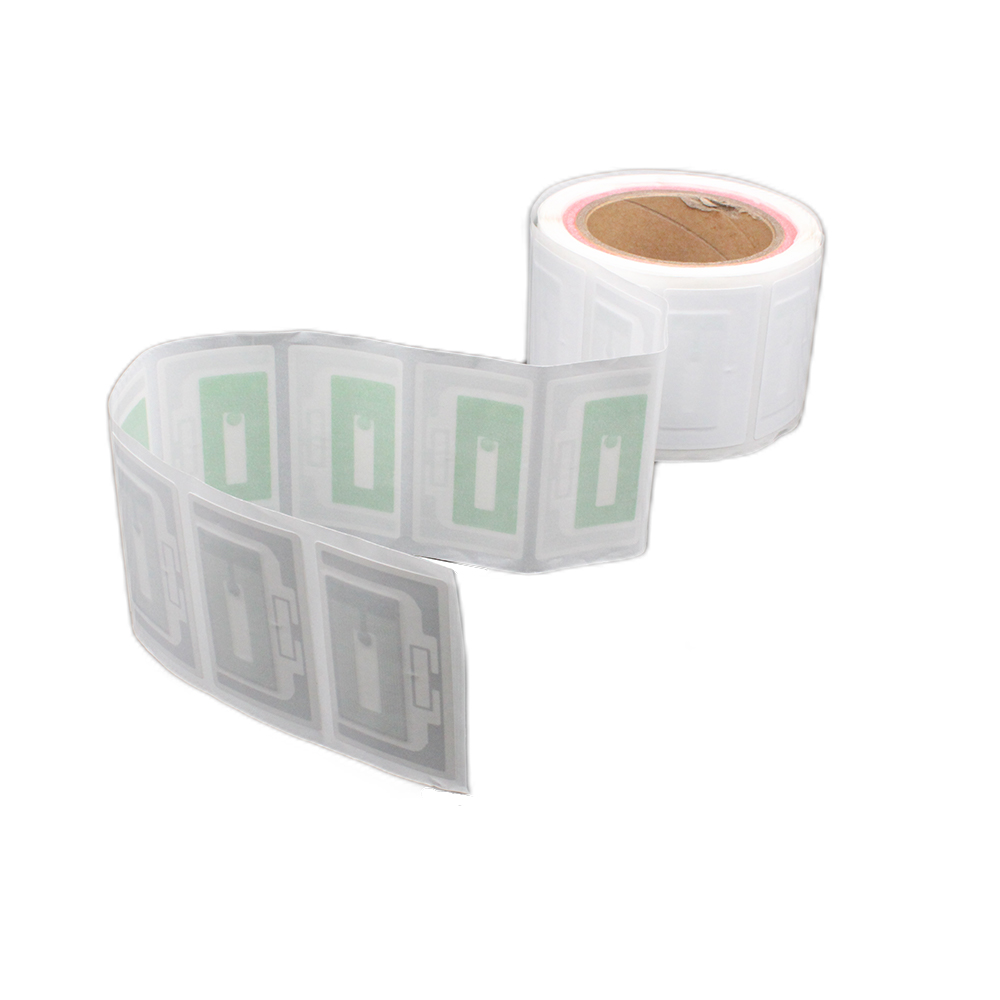
For fashion retailers, understanding what customers actually do between browsing and buying has always been part guesswork. Invisible tracking changes that by capturing real behavior signals without pop‑ups or friction. The result is a live feed of intent — which items draw repeat glances, how long someone lingers on a product page, and where hesitation sets in. It feels like nothing to the shopper, yet it turns abstract clicks into a clear narrative of desire and doubt.
When an apparel brand can see these unspoken signals, marketing stops being reactive. Instead of blasting generic offers, you can trigger personalized nudges that match the moment — like reserving an in‑demand item right when someone shows deep interest but hasn’t checked out. Inventory decisions become sharper, too. If a specific wash of denim generates unusual dwell time across multiple sessions, you might reorder before stockouts happen, not after.
The payoffs show up in numbers that matter: higher conversion rates, lower return ratios, and a lift in full‑price sell‑through. But the real shift is strategic. You move from guessing what looks good in a report to knowing what resonates in the fitting room of the mind. That’s invisible tracking doing visible work — quietly steering the brand toward decisions that feel more like instinct than analytics.
From Thread to Storefront: Seamless Item-Level Visibility
Tracking a single garment from raw fiber to retail rack used to mean juggling disconnected spreadsheets and weekly batch updates. Now, every thread carries a digital passport—from the spinning mill to the cutting floor, through dyeing, stitching, and final QC—all captured in real time without extra scanning steps.
Once that finished piece reaches the store, the same data stream feeds directly into inventory systems, online catalogs, and even smart fitting rooms. Staff know exactly which sizes are in the back, which are on their way from the warehouse, and which are running low—all because that initial thread-level ID never got lost. Returns, recalls, or style swaps become pinpoint operations instead of store-wide hunts.
Wash-Tested, Wear-Ready Smart Labels
Durability isn’t just a claim—it’s baked into every label we make. Before they ever reach a garment, our smart labels endure rigorous wash cycles that mimic months of real-world use. Hot water, harsh detergents, and relentless spin cycles can’t dull the embedded NFC chip or smudge the printed graphics. We’ve seen labels survive laundry routines that would leave ordinary tags faded and unreadable, ensuring the digital experience stays intact for the life of the product. That’s why outdoor brands and workwear companies trust us: when a jacket goes through fifty industrial washes and the label still scans instantly, they know the tech won’t quit.
But wash-tested toughness means nothing if the label doesn’t feel good against the skin. We’ve obsessed over the texture and flex so that each label moves with the fabric rather than fighting it. The result is a tag-free sensation—smooth, edge-finished, and silent—even in performance baselayers or kids’ sleepwear. No scratching, no curling corners, no peeling after repeated wear. Because a label that can handle a heavy-duty wash ought to be just as comfortable on day one as it is on day three hundred. It’s the kind of detail that turns first-time buyers into loyal fans.
All that testing and tactile refinement leads to a simple promise: out of the package and onto the garment without a second thought. Our labels ship ready to be applied the moment they arrive, with no curing time or special adhesives to fuss over. Just peel, place, and press—then watch them handle whatever the day throws at them, from a sudden rainstorm to a gym session that leaves everything else soaked. This combo of resilience and immediate usability is why more clothing lines skip the usual label headaches and go with ones that truly perform.
Cut Excess Inventory Without Cutting Corners
Offloading surplus stock often tempts businesses into fire-sale pricing that undercuts brand value. A smarter path starts with granular demand sensing—using real-time sales patterns to adjust procurement before overstock snowballs. When excess does occur, bundling slow movers with bestsellers in curated kits can move inventory without signaling desperation. The key is protecting perceived worth so customers still see premium, not panic.
Another underused lever is strategic channel segmentation. Instead of flooding all outlets with discounted goods, place clearance items where bargain-seeking audiences already live—think members-only flash sales or partner pop-ups that align with your brand’s secondary market. This keeps your main storefront pristine while quietly draining the surplus pipeline.
Operational discipline also matters. Tightening reorder triggers, renegotiating vendor minimums, and building a habit of monthly inventory health checks can stop overhang from forming in the first place. Cutting corners usually means slashing prices or quality; cutting into the root cause of the glut takes rigor but no reputational damage.
Collaborative RFID Engineering for Fashion Logistics
In the fast-paced world of fashion logistics, coordinating inventory across multiple stakeholders often feels like threading a needle in a hurricane. Collaborative RFID engineering addresses this by weaving real-time data streams from manufacturers, warehouses, and retailers into a single, responsive network. Rather than isolated scanning checkpoints, the system allows items to “speak” continuously as they move, enabling dynamic rerouting and instant stock-level adjustments. This shared visibility not only cuts down on manual reconciliations but also empowers partners to synchronize their operations without constant back-and-forth communication.
True collaboration in RFID goes beyond simply sharing tag-read data—it demands a unified approach to encoding standards, reader placement, and data governance. Fashion brands often work with logistic providers to design tagging strategies that capture details like SKU, batch, and destination right at the source. This upfront engineering eliminates redundant scans and reduces the friction caused by incompatible systems. The result is a harmonized pipeline where a single dress can be traced from cutting table to customer doorstep, with every partner contributing to and benefiting from the same trusted dataset.
By treating RFID infrastructure as a common project rather than a competitive asset, companies see a surprising uplift in both efficiency and trust. Shared maintenance of readers, joint analysis of movement patterns, and co-developed exception-handling workflows turn supply chain partners into genuine allies. This collaborative model also accelerates adoption of circular economy practices—like garment rental or resale—where precise, end-to-end tracking becomes a business necessity, not just a logistical luxury.
FAQ
These are small electronic tags embedded into clothing items, carrying a unique identifier that can be read by radio waves. They allow brands to track each piece from production to point of sale, updating inventory in real time without manual scans.
Unlike barcodes that require line-of-sight scanning one by one, RFID can read dozens of items per second even when they're packed in boxes or stacked on shelves. This speed slashes labor hours and practically eliminates human counting errors.
Absolutely. You’re not stuck with generic white tags. Manufacturers can print your logo, choose fabric-friendly materials, adjust size and shape, and even embed the label discreetly so it blends into the garment care tag.
Every time a tagged item passes through a checkpoint—like a loading dock or stockroom door—the system logs its location. This gives you a live dashboard of where every article is, helping predict shortages and prevent overstock before they become problems.
Yes, they’re engineered to withstand the garment’s full lifecycle. Specialized thread-like or heat-resistant inlays survive washing machines, dryers, and even dry cleaning, maintaining readability throughout repeated cycles.
Most see inventory accuracy jump above 95%, which directly reduces out-of-stocks and markdowns. Combined with time saved during receiving and stocktaking, many earn back the investment within a year through better sell-through and reduced shrinkage.
It depends on your volume and integration needs, but a typical rollout—from label design to pilot testing to full deployment—can be completed in 6 to 10 weeks. The key is choosing a manufacturer that guides you through each phase without unnecessary delays.
Conclusion
A specialized manufacturer of customized garment RFID labels brings a new level of precision to apparel supply chains. Instead of forcing generic tags into delicate workflows, these providers design labels that fit specific garment types, production lines, and tracking needs. The result is a system so seamlessly integrated that it feels invisible—yet it delivers real-time, item-level visibility from the moment a thread becomes fabric until a finished piece reaches the storefront. This kind of granular insight allows brands to react swiftly to demand shifts, reduce bottlenecks, and refine production planning without disrupting the creative or manufacturing process. Every tagged item tells its story, enabling smarter decisions that keep inventory moving efficiently.
Durability is non-negotiable. These smart labels are wash-tested and wear-ready, surviving industrial laundering, dry cleaning, and daily use without signal loss. That reliability is the foundation for tackling one of fashion’s biggest challenges: excess inventory. With accurate, real-time data, brands can cut surplus stock without cutting corners—adjusting orders, redistributing goods, and preventing waste before it piles up. The true advantage, however, lies in collaborative engineering. Instead of a one-size-fits-all tag delivered in a box, manufacturers work closely with fashion logistics teams to co-develop RFID solutions that match specific warehouse environments, packing flows, and retail systems. This partnership ensures that the technology elevates supply chain efficiency from the ground up, turning logistics from a cost center into a competitive edge.
Contact Us
Contact Person: Esme Mo
Email: [email protected]
Tel/WhatsApp: 0086 191 2931 7837
Website: https://www.osrfidglobal.com/