

Custom Solar Agriculture Mounting Systems: A Guide for Chinese Manufacturers
2026-02-04
Welcome to the forefront of solar innovation in agriculture! If you're a Chinese manufacturer on a quest to integrate renewable energy into rural landscapes, you're in the right place. At Energet Solar, we understand the unique challenges of custom solar agriculture mounting systems. In this guide, we delve into cutting-edge designs, cost-effective solutions, and strategies tailored to your specific needs. Discover how to elevate your offerings and stay ahead in a competitive market. Ready to harness the sun's power for growth? Let's explore together!
Designing Solar Mounts for China's Diverse Agricultural Landscapes
In China's vast agricultural expanses, designing solar mounts that blend seamlessly with crops like rice paddies, orchards, and vegetable fields presents unique challenges and opportunities. These mounts must adapt to varying soil types, slopes, and seasonal activities, ensuring minimal disruption to farming while maximizing energy capture. For instance, in the terraced hillsides of Yunnan, adjustable mounts can follow natural contours, whereas in flat regions like the North China Plain, low-profile systems allow for dual land use, such as agrivoltaics that shade crops to reduce water evaporation. This tailored approach not only boosts sustainability but also supports local economies by integrating renewable energy into traditional farming practices.
To innovate in this area, engineers are developing lightweight, corrosion-resistant materials, like galvanized steel or aluminum, that withstand China's diverse climates from humid southern coasts to arid northern deserts. Mounting structures may include tracking systems for seasonal solar angles or modular designs for easy installation and maintenance on remote farms. Collaborations with agronomists help ensure compatibility with irrigation systems and machinery, balancing energy production with agricultural productivity. By focusing on flexibility and durability, these designs promise to enhance farm resilience against climate change while contributing to national clean energy targets.
Ultimately, effective solar mount designs for China's agricultural landscapes require a holistic view, considering factors like land ownership, regulatory policies, and community needs. Prototypes and pilot projects across different regions—from the rice-growing deltas to the pastoral grasslands—provide valuable data for refining systems that are both cost-effective and environmentally friendly. As technology advances, such customized solutions could revolutionize rural energy access, offering a blueprint for other countries with similar agricultural diversity.
Innovations in Lightweight Metal Alloys for Farm-Based Installations
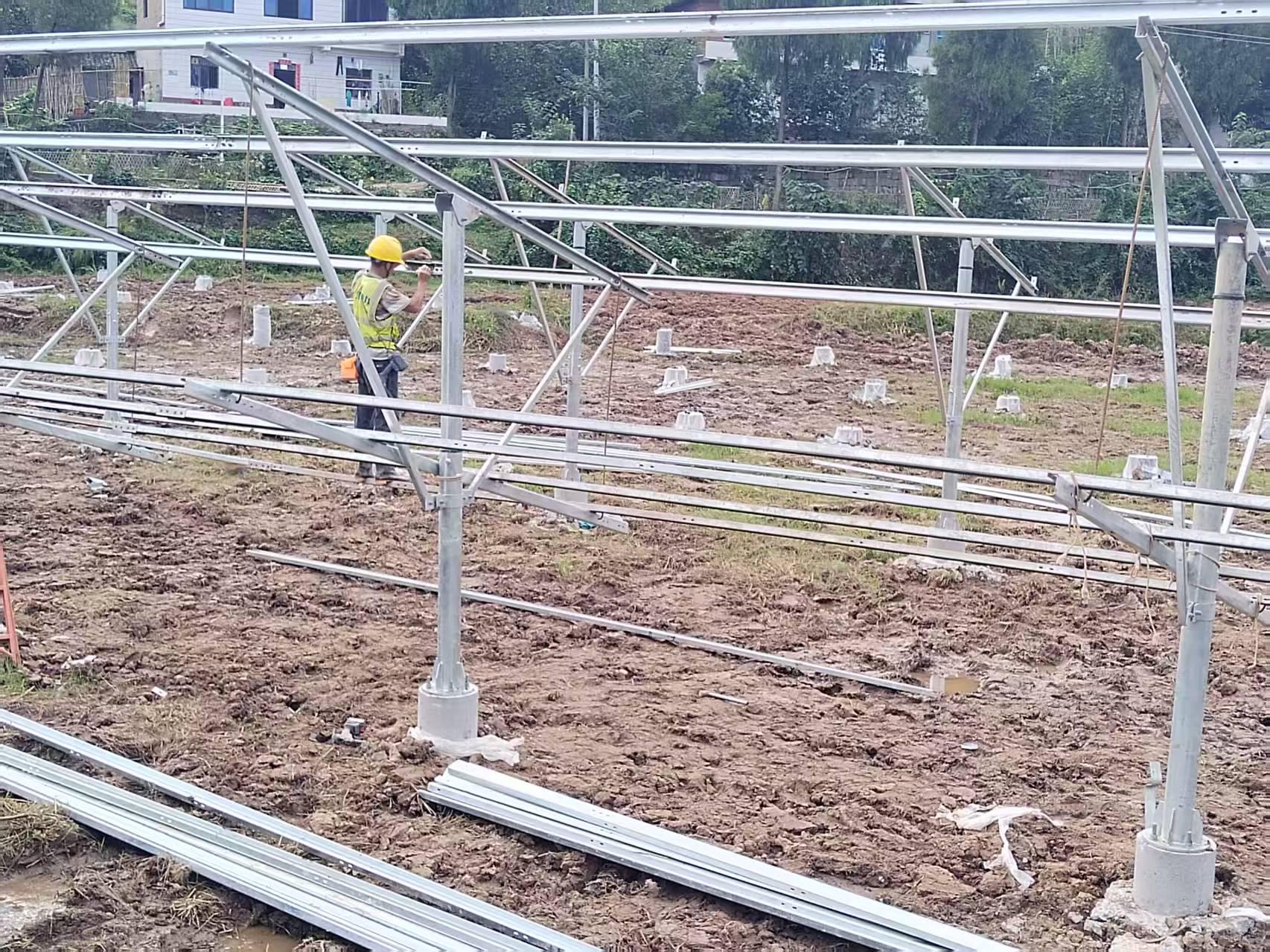
Farmers are increasingly turning to lightweight metal alloys to enhance the efficiency and durability of agricultural equipment. Innovations in materials like aluminum and magnesium alloys are reducing the weight of tractors, irrigation systems, and storage structures without compromising strength. This shift not only lowers fuel consumption and operational costs but also minimizes soil compaction, leading to better crop yields and sustainable farming practices.
Recent advancements focus on developing alloys with improved corrosion resistance and recyclability, crucial for outdoor farm environments exposed to weather and chemicals. For instance, new aluminum-lithium composites are being tested for greenhouse frames, offering a balance of lightness and resilience against moisture and temperature fluctuations. These materials support modular installations, allowing farmers to easily adapt or expand their setups as needs evolve.
Custom alloy solutions are emerging to address specific farm challenges, such as high-stress points in machinery or lightweight portable enclosures for livestock. By integrating these innovations, farms can boost productivity while reducing environmental impact, making lightweight metal alloys a key component in modern, tech-driven agriculture.
Integrating Panels with Greenhouses and Livestock Barns for Dual Use
A smart approach to agricultural optimization involves combining solar panels with greenhouses and livestock barns for dual-use purposes. This integration allows farmers to produce clean energy while maintaining or even enhancing crop and animal production. By installing panels on rooftops or adjacent structures, you can generate electricity to power operations, such as lighting or ventilation systems, without sacrificing valuable growing space.
For greenhouses, strategically placed panels can provide partial shading, helping to regulate temperature and reduce heat stress on plants during peak sunlight hours. This balance between energy generation and crop management can lead to healthier yields and lower energy costs. Livestock barns benefit similarly, with panels offering shelter and energy to support heating, cooling, or feeding systems, creating a more sustainable and efficient environment for animals.
This dual-use model not only boosts farm productivity but also contributes to environmental goals by reducing reliance on fossil fuels. It's a practical solution that aligns modern technology with traditional farming practices, making it a compelling choice for forward-thinking agriculturalists looking to enhance resilience and profitability.
Manufacturing Tips for Durable Mounts in Humid Regions
When producing mounts for use in humid regions, selecting corrosion-resistant materials is paramount. Opt for stainless steel or powder-coated aluminum, which provide excellent defense against moisture and salt air. For instance, marine-grade alloys can withstand harsh coastal conditions, ensuring your mounts last years without rusting or degrading.
Incorporate effective sealing techniques to prevent water ingress at critical joints and seams. Using high-quality gaskets or O-rings creates a tight barrier against humidity, while regular inspections during manufacturing catch potential weak points. Adding drainage holes in non-critical areas helps vent trapped moisture, reducing internal condensation that often leads to failure.
Finish with protective coatings like epoxy or polyurethane that bond securely to the substrate, offering an extra layer of defense. These coatings not only repel moisture but also resist mold and mildew growth, common issues in damp environments. For best results, apply coatings evenly in controlled conditions to avoid thin spots that compromise durability.
Custom Solutions for Small Farms and Large Rural Fields
In today's ever-evolving agricultural landscape, what works for one farm may fall short on another, making custom solutions not just a luxury but a necessity. For small farms, tailored approaches often focus on maximizing limited resources—think compact, multi-functional equipment or locally adapted crop rotations that boost yield without the bulk of industrial machinery. Meanwhile, large rural fields benefit from scaled-up precision tools, like drone-based monitoring or automated irrigation systems, designed to cover vast areas efficiently. By addressing specific challenges such as soil health, water usage, or labor shortages, these bespoke strategies empower farmers to thrive in diverse environments, ensuring sustainability and profitability are not one-size-fits-all goals.
Consider a small family-owned farm where space and budget are tight; here, custom solutions might include handcrafted raised beds for better soil drainage or partnerships with nearby communities to share equipment. These intimate, hands-on methods foster resilience and local connections, turning constraints into creative opportunities. On the flip side, expansive fields require robust innovations—perhaps satellite-guided planting patterns that optimize seed distribution or modular storage systems that adapt to fluctuating harvests. Such solutions are less about reinventing the wheel and more about tweaking it to fit the terrain, blending traditional wisdom with modern tech to cut costs and reduce waste while preserving the land's natural character.
Ultimately, whether it's a cozy plot or a sprawling acreage, custom solutions hinge on deep listening to the land and its stewards. They're not just products off a shelf but dynamic processes shaped by ongoing feedback and local expertise. By avoiding cookie-cutter formulas, farmers can cultivate systems that are as unique as their fields, leading to healthier ecosystems and stronger rural economies. This personalized approach ensures that agriculture remains vibrant and adaptable, ready to meet future challenges head-on.
Navigating Regulations and Incentives for Agri-Solar Projects
Building an agri-solar project requires careful attention to both regulatory frameworks and available incentives, which can vary widely by location. Many farmers find themselves navigating a patchwork of local zoning laws, environmental permits, and utility interconnection rules, all while ensuring solar installations don't disrupt agricultural operations. It's essential to engage with local authorities early in the planning process to avoid costly delays or compliance issues down the line.
On the incentives side, government programs like tax credits, grants, and renewable energy certificates can significantly offset upfront costs, making these dual-use projects more financially viable. However, these incentives often come with specific eligibility criteria, such as project size, technology type, or agricultural practices used, requiring thorough research and potentially expert assistance to maximize benefits.
A successful strategy involves integrating regulatory compliance with incentive optimization from the outset. For instance, aligning solar panel placement to meet both agricultural needs and regulatory guidelines can streamline approvals. Staying informed about evolving policies and incentive programs is key, as changes in legislation or funding availability can open new opportunities or pose challenges for project developers.
FAQ
Custom solar mounting systems allow Chinese manufacturers to optimize energy production while accommodating varying terrain and crop needs, enhancing sustainability and farm profitability.
They should use corrosion-resistant materials like galvanized steel, conduct regular structural testing, and adapt designs to local weather patterns for long-term reliability.
Manufacturers need to assess equipment height and spacing, ensure easy access for maintenance, and minimize shading to maintain both solar efficiency and agricultural productivity.
Yes, compliance with national standards like GB/T and certifications for safety and grid connection is essential, alongside local environmental permits.
By pre-assembling modular components and tailoring mounts to site-specific conditions, manufacturers can streamline deployment and lower labor expenses.
New designs include dual-use structures that support both solar panels and crop cultivation, as well as adjustable mounts for seasonal optimization.
They significantly boost renewable energy use, cutting reliance on fossil fuels and reducing emissions, while potentially lowering operational costs through net metering.
Offering clear maintenance schedules, using durable components with extended warranties, and providing training for farm staff can enhance customer trust and system performance.
Conclusion
The guide "Custom Solar Agriculture Mounting Systems" provides Chinese manufacturers with essential insights into designing solar mounts suited to China's diverse agricultural landscapes, from small farms to large rural fields. It emphasizes the need for custom solutions that integrate seamlessly with existing structures like greenhouses and livestock barns for dual-use applications, maximizing efficiency and land use. By incorporating innovations in lightweight metal alloys, manufacturers can create durable systems that withstand the humid conditions prevalent in many regions, ensuring long-term reliability and performance.
Additionally, the guide offers practical manufacturing tips to enhance durability in challenging environments while navigating regulatory frameworks and incentives for agri-solar projects. This approach helps manufacturers develop competitive, tailored products that meet local demands and comply with standards, fostering sustainable energy solutions in agriculture. The focus on adaptability and innovation positions Chinese manufacturers to lead in the global market for solar mounting systems, highlighting the importance of blending technical expertise with agricultural needs.
Contact Us
Contact Person: Simon
Email: [email protected]
Tel/WhatsApp: 8613672181100
Website: https://energetsolar.com/