

Chinese Metal Bins: From Factory Floors to Modern Home Decor
2026-07-27
Metal bins once confined to gritty factory floors are now stealing the spotlight in modern home decor, and no one captures this transformation better than Lanyuda. These sturdy, industrial pieces have shed their workhorse reputation to become statement storage solutions that blend raw character with everyday practicality. Discover how a simple tin can redefine your space with unexpected warmth and utility.
The Humble Origins of China’s Industrial Metal Bins
Before they became the standardized, stackable workhorses of factories and warehouses worldwide, China’s industrial metal bins had a far more modest beginning. In the early days of the country’s industrialization, these containers were often crafted in small, family-run workshops using scrap metal from decommissioned machinery or agricultural tools. The process was hands-on and improvisational, with little machinery beyond a hammer, a blowtorch, and a pair of sturdy gloves. Each bin bore the subtle imperfections of its maker, a far cry from the uniform products rolling off assembly lines today.
The original purpose was equally utilitarian. Village cooperatives and fledgling state-owned enterprises sought sturdy vessels for storing everything from grains and coal to machine parts. There was no catalog to order from, so local blacksmiths and tinkerers adapted their designs to meet immediate needs. A farmer might need a tall, narrow bin to save floor space, while a small piston factory would request a wide, low-profile container to hold heavy castings. This era of bespoke, build-as-you-go fabrication laid the practical foundation for what would eventually evolve into a globally recognized category of storage equipment.
As China’s economy began its rapid transformation, these humble beginnings were not forgotten. The early makers’ emphasis on durability and adaptability became embedded in the DNA of later mass-produced models. Even after automated rolling and welding machines replaced handwork, the core design philosophy—simple, rugged, and multipurpose—remained intact. Today’s brightly painted, meticulously engineered bins still echo the resourcefulness of those first metalworkers, who turned scattered scraps into the seeds of an industry.
Built to Last: The Craftsmanship Behind the Steel
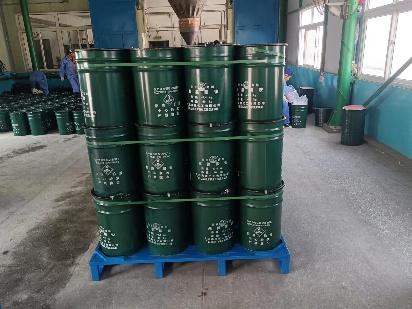
There’s a quiet confidence in steel shaped by hands that understand its nature. Every curve and joint emerges from a process that values patience over speed, where heat and pressure are calibrated not just to bend metal but to preserve its soul. The result isn’t merely functional—it carries a subtle texture, a grain that whispers of its resilience long before it takes its final place under stress.
What often goes unnoticed is the dialogue between worker and material. Small deviations in temperature or timing are met with instinct honed over decades, not algorithms. This tacit knowledge ensures that no two pieces are identical, yet all share the same unwavering integrity. It’s this human touch that transforms a structural element into something almost personal, capable of withstanding decades of strain without losing its essence.
The real test comes years later, when the elements have had their say. Steel crafted with such care doesn’t just endure—it matures, its surface telling a story of encounters with wind, weight, and time. That durability isn’t just a promise; it’s a visible, tactile reality. And in that longevity lies a kind of truth: the best work isn’t celebrated when it’s new, but when it’s still standing strong long after others have faltered.
From Factory Utility to Urban Loft Essential
Once confined to the hum of assembly lines and the grit of early 20th-century workshops, industrial lighting was all about pure function. These fixtures—often bare bulbs caged in steel, oversized shades of enameled metal, or jointed arms with exposed wiring—were designed to illuminate vast spaces with unapologetic efficiency. There was no thought given to aesthetics; the beauty was an accidental byproduct of necessity. Over time, as factories closed and warehouses emptied, these sturdy leftovers began to catch the eye of those who saw not rust, but character.
The shift began in the post-industrial era, when artists and makers started reclaiming abandoned urban spaces for living and working. The loft lifestyle demanded lighting that could hold its own against towering ceilings, brick walls, and open ductwork. Original factory lamps, with their bold scale and unpretentious materials, fit naturally into these converted spaces. They provided a sense of history and authenticity that mass-produced decor couldn’t replicate. What was once overlooked as obsolete soon became a deliberate design choice, merging raw durability with an edgy, lived-in charm.
Today, the industrial aesthetic has evolved far beyond its utilitarian roots. Modern interpretations keep the spirit—exposed metals, sturdy joints, simple shapes—while introducing refined finishes, warmer tones, and even smart technology. A sleek black pendant with brass accents or a copper sconce with a hand-rubbed patina brings a curated edge to both urban lofts and suburban homes alike. The factory utility has been transformed into a versatile essential, proof that good design often emerges where we least expect it.
Why Designers Are Falling for These Unlikely Vessels
It’s not just nostalgia or whim—designers are drawn to unlikely vessels because they instantly break the visual monotony of predictable interiors. A discarded industrial drum, a weathered trough, or a cluster of laboratory beakers carries a raw, unpolished narrative that mass-produced pots simply can’t replicate. These objects bring a sense of history and imperfection into carefully curated spaces, creating a tension that feels both authentic and unexpectedly refined.
Beyond aesthetics, these vessels solve practical creative constraints. Many are salvaged or repurposed, offering a sustainable edge that resonates with contemporary values without the preachiness. The quirks of their original function—drainage holes, odd proportions, patina—become design features rather than flaws. A galvanized bucket’s rust bloom, for instance, becomes a living backdrop that changes with the seasons, making the arrangement feel dynamic rather than static.
There’s also a quiet rebellion at play. Choosing a rusty olive oil tin over a sleek planter signals a rejection of homogenous design trends. It’s a way for designers to inject personality and a bit of an edge into spaces that might otherwise feel too safe. The result is a layered focal point that sparks conversation and feels deeply personal—proof that the best vessels are often the ones never intended to hold anything but memories.
Mixing Raw Metal with Soft Interiors: A Style Guide
Raw metal brings an edge that few materials can match. Whether it’s exposed steel beams, a cold-rolled coffee table, or unpolished iron shelving, the industrial feel instantly adds character. But left unchecked, it can make a room feel cold and impersonal. The trick lies in balancing that hardness with something undeniably soft—think plush velvet cushions, chunky knit throws, or linen drapes that pool gently on the floor. The contrast creates a dynamic where neither element dominates; instead, they amplify each other’s best qualities.
Start small if you’re hesitant. A single metal accent—maybe a brushed brass lamp or a wireframe chair—can be enough when paired with a deeply textured rug or a sofa upholstered in washed cotton. Pay attention to patinas and finishes: a rusted patina feels warmer than polished chrome, and matte black steel has a quieter presence than mirrored stainless. Layer in organic shapes wherever possible. A curved bouclé armchair next to a sharp-edged metal side table, for instance, softens the entire vignette without losing that essential tension.
Lighting and textiles are your best tools. Use sheer curtains to filter daylight onto metal surfaces, stripping away any harshness. Throw in a sheepskin draped over a metal-framed bed or bench, and suddenly the room invites touch. Don’t forget the power of live elements—a trailing plant against a galvanized wall, or a vase of dried grasses on a steel console, breaks up the rigid lines with natural movement. Ultimately, blending raw metal with soft interiors isn’t about following a formula; it’s about creating a space that feels both grounded and welcoming, where every hard edge finds its gentle counterpart.
Beyond Storage: Unexpected Ways to Use Metal Bins at Home
When you think of metal bins, your mind probably goes straight to storage—tucking away blankets, toys, or pantry goods. But their versatility stretches far beyond simply holding things. These sturdy containers can become the unexpected centerpiece of a room, functioning as everything from a stylish side table to a rustic planter. Their industrial charm and durability offer a blank canvas for creative repurposing that can refresh your home without a major renovation.
In the living room, try flipping a large metal bin upside down, adding a round wooden top, and you have an instant end table with hidden personality. For a playful twist, a shallow bin mounted on the wall can hold mail, keys, or even a small herb garden, merging function with a punch of greenery. Outdoors, a galvanized bin transforms into a chic ice bucket for parties or a unique fire pit when safely lined with bricks. The key is to see beyond the container's original purpose and let its form inspire new uses.
Kids' spaces also benefit from this reimagining—a bin on its side becomes a cozy nook for stuffed animals, or with a cushion, a reading seat. In the bathroom, a rustic bin can hold rolled towels, adding texture against sleek tiles. By embracing the unexpected, these everyday items bring warmth and character to your home, proving that the most memorable decor often comes from thinking outside the bin.
FAQ
Their rugged simplicity and honest materials resonate with today’s love for industrial style. The weathered patina on vintage ones tells a story, while newer versions blend clean lines with practical storage, making them equally at home next to a modern sofa or a rustic farm table.
As factories modernized or closed, these sturdy containers were discovered by interior designers and flea market hunters. They saw beyond the grease and grime to the solid craftsmanship underneath. A quick cleaning and maybe a new coat of paint transformed them into character-rich statement pieces that hold everything from firewood to umbrellas.
Most are made from galvanized steel, tin, or sometimes copper, often with reinforced seams. You’ll find raw metallic finishes, distressed paint in retro colors, embossed patterns, and even enamel coatings. The wear and tear—scratches, dings, fading—is part of the charm, so don’t chase perfection.
Definitely. Stack smaller bins in a bathroom for rolled towels, use a large one as a kitchen compost crock that hides unsightly scraps, or flip a lidless bin upside down for a unique side table. In a child’s room, they make fantastic toy chests that can take a beating and still look cool.
Absolutely. For decades, these bins were everyday workhorses in Chinese factories, warehouses, and even traditional apothecaries, storing everything from tea leaves to machine parts. Some feature hand-painted characters or vintage advertising decals, offering a glimpse into mid-20th century Chinese commerce and daily life.
Start by measuring the spot you have in mind and consider its function. A slim, tall bin can tuck into a corner for umbrellas, while a wider, shorter one works beautifully as a coffee table magazine holder. For small spaces, choose lighter-colored or more reflective finishes that bounce light rather than absorb it. Trust your eye—if it feels right, it usually is.
They’re built to last, so minimal maintenance is needed. Wipe with a damp cloth for dust, avoid harsh abrasives that could scratch the surface, and if rust appears and bothers you, a light coat of clear matte spray can halt it without altering the patina. Many people embrace the aging process as added character.
Conclusion
The journey of Chinese metal bins from gritty factory floors to chic urban interiors is a testament to the timeless appeal of utilitarian design. Born in the hum of industrial workshops, these once-rough containers were forged for durability, their steel bodies hammered and welded by skilled hands that prioritized function over form. That rugged craftsmanship, with its visible rivets and raw iron finishes, now captivates a new generation of designers who see beauty in imperfection. As factories shed their old skins, these bins have found second lives as statement pieces in lofts and modern homes, carrying with them an aura of hardworking authenticity that no mass-produced decor can replicate.
Designers are increasingly drawn to the tension created by pairing cold metal with soft textiles—a woollen throw draped over a bin-turned-side-table, or a lush fern spilling from its galvanized depths. Beyond mere storage, these vessels morph into umbrella stands, bathroom caddies, or even rustic kitchen islands when clustered together. Their chameleon-like nature allows them to anchor a room with industrial edge or blend quietly into a minimalist scheme. The secret lies in their stripped-back honesty: a piece that once hauled scrap metal now holds firewood beside a velvet sofa, proving that the most unlikely objects often tell the most compelling stories in a home.
Contact Us
Contact Person: Johnny
Email: [email protected]
Tel/WhatsApp: +86 18151010686
Website: https://lydstorage.com