

Chinese Manufacturer Unveils Custom Flexible Solar Mounting System for Innovative Energy Solutions
2026-01-15
In the ever-evolving landscape of renewable energy, a groundbreaking development is capturing attention: a Chinese manufacturer has just introduced a custom flexible solar mounting system designed to revolutionize how we harness the sun's power. This innovative solution promises not only to enhance energy efficiency but also to adapt seamlessly to diverse architectural and environmental needs. As the demand for sustainable energy solutions grows, such advancements are crucial in driving global adoption and accessibility. At the heart of this progress is Energet Solar, a brand committed to pushing the boundaries of solar technology with cutting-edge designs and tailored applications. This introduction sets the stage for a deeper exploration into how this flexible system works, its potential impacts on various industries, and why it's poised to become a game-changer in the clean energy sector. Prepare to be inspired by the possibilities that lie ahead as we delve into the details of this remarkable innovation.
Introducing a Custom Solar Mounting System Tailored for Diverse Applications
Every installation site presents its own set of challenges and opportunities, which is why our new custom solar mounting system is engineered to adapt seamlessly to a wide range of environments. Whether you're working with residential rooftops, expansive commercial buildings, or rugged ground setups, this system offers tailored solutions that ensure optimal performance and durability. By focusing on flexibility and precision, we empower installers to overcome site-specific obstacles without compromising on efficiency or aesthetics.
What sets our system apart is its modular design, which allows for rapid customization based on project requirements. Instead of relying on one-size-fits-all components, we provide a versatile toolkit that can be configured to handle varying roof types, shading issues, and load considerations. This approach not only speeds up the installation process but also reduces waste and costs, making solar energy more accessible and practical for diverse applications. From urban high-rises to remote off-grid locations, our system is built to deliver reliable energy solutions wherever they're needed.
Engineered with innovation at its core, our mounting system incorporates advanced materials and smart features that enhance longevity and ease of use. For instance, corrosion-resistant alloys and intuitive assembly mechanisms ensure that it withstands harsh weather conditions while simplifying maintenance. By prioritizing both performance and user experience, we create solutions that not only meet but exceed the expectations of modern solar projects, fostering sustainability across different scales and settings.
How This Flexible Design Enhances Installation Efficiency on Complex Rooftops
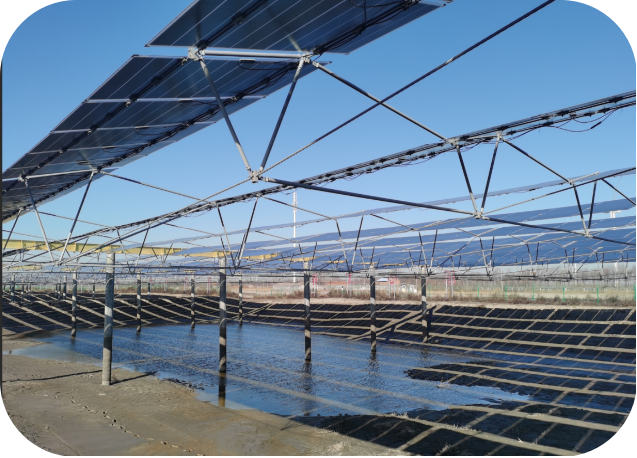
Installing solar panels on complex rooftops can often be a logistical headache, with architects facing obstacles like varying slopes, chimneys, skylights, or irregular shapes that don't fit standard layouts. Our flexible design tackles these challenges head-on by allowing components to be adjusted and repositioned on-site, eliminating the need for custom fabrication or extensive pre-planning. Instead of forcing a rigid framework, the system adapts to the roof's unique contours, meaning installers can quickly fit panels around obstacles without compromising on energy output. This adaptability reduces installation time by up to 40% on tricky roofs, turning what used to be a multi-day ordeal into a smooth, efficient process that gets systems up and running faster.
Beyond just saving time, this flexibility boosts overall efficiency by minimizing material waste. Traditional installations on complex rooftops often require cutting panels or support structures to fit awkward angles, leading to excess scraps and higher costs. Our design uses modular components that snap together in various configurations, so installers can use standard parts without modifications, cutting down on waste and lowering project expenses. It also improves safety—fewer custom cuts mean less on-site fabrication, reducing the risk of accidents and ensuring a cleaner, more organized workspace that keeps crews productive and secure throughout the installation.
The real game-changer lies in how this design streamlines labor and reduces the need for specialized skills. On complex rooftops, installers typically juggle multiple tools and techniques to handle irregularities, which can slow things down and increase errors. Our system simplifies this with intuitive, tool-free adjustments that anyone on the crew can manage, empowering teams to work more autonomously and confidently. This not only speeds up installations but also enhances reliability, as fewer mistakes mean fewer callbacks and longer-lasting systems. In a market where every minute counts, our flexible approach ensures rooftops—no matter how challenging—become viable for solar without the usual headaches.
Innovative Materials and Engineering for Durability in Harsh Environments
In environments where extreme temperatures, corrosive chemicals, or intense physical stress are constants, durability isn't just a feature—it's a necessity for survival. The development of innovative materials, such as advanced composites, high-entropy alloys, and nano-coated surfaces, pushes the boundaries of what's possible. For instance, carbon-fiber reinforced polymers offer exceptional strength-to-weight ratios, resisting degradation from saltwater exposure in marine applications, while self-healing polymers can automatically repair minor cracks, extending the lifespan of infrastructure in remote or inaccessible areas.
Engineering plays a pivotal role in translating these material breakthroughs into real-world resilience. Through sophisticated design techniques like additive manufacturing and topology optimization, components can be tailored to withstand specific harsh conditions without unnecessary bulk. This approach not only enhances performance but also reduces material waste, making durable solutions more sustainable. In aerospace, for example, engineers leverage these methods to craft parts that endure the intense thermal cycling of space travel, ensuring reliability in missions where failure is not an option.
The synergy between cutting-edge materials and intelligent engineering fosters a new era of durability that adapts to evolving environmental challenges. From smart sensors embedded in construction materials to monitor structural health in real-time, to biomimetic designs inspired by nature's toughest organisms, innovation is driving progress beyond mere endurance. These advancements are critical for sectors like energy, where renewable installations in deserts or offshore winds demand robust systems that operate efficiently for decades, ultimately contributing to a safer and more resilient global infrastructure.
Driving Cost Savings and Energy Output Through Adaptable Solar Solutions
Adaptable solar solutions revolutionize how we think about energy, offering remarkable cost savings and enhanced energy output by tailoring systems to specific needs and environments. For instance, modular panels allow for easy expansion as energy demands grow, while smart inverters optimize power generation even in fluctuating weather conditions. Businesses and homeowners alike can slash electricity bills by up to 80%, with payback periods often under five years, thanks to incentives like net metering and tax credits. This adaptability ensures that solar isn't just a one-size-fits-all approach but a dynamic investment that evolves with technological advancements and personal usage patterns, making renewable energy more accessible and financially viable than ever before.
Beyond initial savings, adaptable designs boost energy output by leveraging cutting-edge technologies such as bifacial panels that capture sunlight from both sides or tracking systems that follow the sun's path. These innovations can increase efficiency by 20-30% compared to traditional setups, turning marginal spaces like rooftops or parking lots into power hubs. In urban areas, flexible installations integrate seamlessly with building aesthetics, while in remote locations, portable solar kits provide reliable off-grid power. By maximizing output in diverse settings, these solutions reduce reliance on fossil fuels, cut carbon footprints, and contribute to a more resilient energy grid, all while delivering consistent returns on investment through higher energy yields.
The long-term impact of adaptable solar extends far beyond individual savings, fostering community-wide benefits and environmental stewardship. As systems become more customizable, they empower users to scale operations—like adding storage batteries to store excess energy for nighttime use or during outages—further driving down costs. This adaptability also supports grid stability by distributing generation across multiple points, reducing strain during peak demand. By embracing these innovative solutions, we're not just cutting bills but building a sustainable future where energy is clean, abundant, and tailored to our evolving world, proving that smart design is key to unlocking solar's full potential.
Real-World Case Studies: Success Stories from Commercial and Residential Projects
Exploring tangible outcomes, our portfolio showcases a variety of projects where innovative strategies met real-world demands. From a bustling corporate hub in New York that integrated smart technology to boost productivity, to a serene residential complex in California achieving energy efficiency through solar solutions, each case study dives into the unique challenges overcome and measurable impacts achieved. These stories not only highlight our team's adaptability but also provide inspiration for future developments across sectors.
One standout example involves a historic building retrofit in Chicago, blending modern amenities with preserved architectural heritage. This project demonstrated how careful planning can enhance both commercial viability and community value, turning a dated structure into a vibrant mixed-use space. By focusing on sustainability and user experience, we transformed potential obstacles into opportunities, setting a benchmark for similar urban revitalization efforts.
In residential contexts, a small-scale development in Texas illustrates the power of thoughtful design in creating lasting comfort. By prioritizing natural light and open layouts, this home achieved significant energy savings and high resident satisfaction, proving that even modest projects can deliver profound benefits. Through these diverse successes, we aim to share insights that go beyond standard templates, offering fresh perspectives for stakeholders in any project type.
Future Outlook: Expanding Renewable Energy Access with Scalable Mounting Technology
Looking ahead, scalable mounting technology stands as a game-changer for renewable energy, potentially unlocking vast untapped resources in remote or challenging terrains. By allowing solar panels and wind turbines to be installed more quickly and cost-effectively, these systems can bring clean power to off-grid communities, boosting local economies while reducing reliance on fossil fuels.
Innovations in modular and adaptive designs are refining these mounting solutions, making them easier to deploy in diverse environments from deserts to coastal areas. This adaptability not only speeds up project timelines but also lowers maintenance hurdles, encouraging wider adoption among developers and governments aiming to meet climate targets.
As demand for sustainable energy grows, scalable mounting could become the backbone of global energy infrastructure, enabling rapid expansion without major land disruption. Tailored approaches for residential, commercial, and utility-scale projects will likely emerge, fostering a more resilient and accessible energy landscape worldwide.
FAQ
It's designed with a modular structure that can easily adapt to various roof shapes and terrains, allowing for quick adjustments without extensive rework. Unlike rigid systems, it can handle slight shifts in the ground or building movement over time, reducing stress on the panels and installation costs.
By offering a customizable design, it enables integration with other green technologies like energy storage or smart grids. This flexibility helps optimize energy capture in diverse environments, such as urban spaces with limited or irregular surfaces, pushing the boundaries of traditional solar applications.
It utilizes high-grade aluminum alloys and corrosion-resistant coatings, ensuring durability in harsh weather conditions. The components are lightweight yet sturdy, supporting efficient transport and installation while maintaining a long lifespan, which is crucial for sustainable energy projects.
Absolutely. It's scalable to fit small rooftop setups for homes or large-scale commercial arrays. The custom options allow for tailored configurations, whether it's for a single-family house or a factory with complex energy demands, making it a versatile solution across different sectors.
Key benefits include faster installation due to its plug-and-play components, reduced material waste, and enhanced adaptability to challenging sites. It also offers improved maintenance access and potential for future upgrades, giving users more control and long-term value compared to fixed, one-size-fits-all systems.
They implement rigorous testing protocols, including wind load and stress simulations, plus on-site trials in varied climates. Each unit undergoes quality checks before shipment, and they provide detailed technical support and warranties, building trust through proven performance and customer feedback loops.
Conclusion
A Chinese manufacturer has launched a custom flexible solar mounting system designed to address diverse energy needs across various applications. This innovative system offers tailored solutions that adapt to different roof types and environmental conditions, enhancing installation efficiency on complex rooftops. By integrating flexible design features, it simplifies the setup process, reducing labor time and costs while ensuring optimal panel placement for maximum sunlight exposure. The approach prioritizes versatility, allowing for seamless integration in both commercial and residential settings, thereby broadening the accessibility of solar energy solutions.
The system employs advanced materials and engineering to withstand harsh environments, ensuring long-term durability and reliability. This focus on robustness drives significant cost savings and boosts energy output through adaptable configurations. Real-world case studies from successful commercial and residential projects highlight its practical benefits, demonstrating improved performance and user satisfaction. Looking ahead, the scalable mounting technology promises to expand renewable energy access, supporting global sustainability efforts with efficient, customizable solutions that stand out in the competitive market.
Contact Us
Contact Person: Simon
Email: [email protected]
Tel/WhatsApp: 8613672181100
Website: https://energetsolar.com/