

China Waxed Corrugated Boxes Deliver Superior Water-Resistant Packaging for Export-Ready Goods
2026-08-20
When your products cross oceans, the last thing you need is a box that wilts at the first sign of humidity. That's why China's waxed corrugated boxes are becoming the go-to choice for exporters who refuse to gamble on moisture damage. At the forefront of this shift is ShiTeng Packaging, delivering water-resistant strength that keeps goods dry from factory floor to foreign port.
When Ocean Freight Meets Moisture, Waxed Corrugated Wins
Ocean freight containers are notorious for creating their own microclimates. As temperatures swing between day and night, warm air cools against steel walls and turns into condensation. That moisture drips onto cargo, soaks into standard corrugated board, and quietly undermines stack strength. Waxed corrugated doesn't just shrug this off—it keeps water from penetrating the liner and fluting, which means boxes stay rigid long after untreated ones would have buckled.
The protective wax isn't a surface-only trick. During manufacturing, the coating is pushed into the fibers, filling the tiny voids where liquid would otherwise collect. Even raw edges—the usual weak point for corrugated—resist wicking. In reefer shipments of fresh produce, frozen seafood, or cut flowers, that difference translates into fewer crushed pallets, less mold growth, and fewer insurance claims tied to soggy packaging.
Cost comparisons often stop at the invoice, which is why waxed board gets a reputation for being expensive. But ocean freight rarely forgives cheap packaging. A collapsed pallet in a humid hold can trigger repacking fees, product loss, and delayed deliveries. When those hidden expenses are included, waxed corrugated frequently comes out ahead—not just in performance, but in total landed cost.
Humidity, the Quiet Enemy of Export Goods, and How Waxed Boxes Fight Back
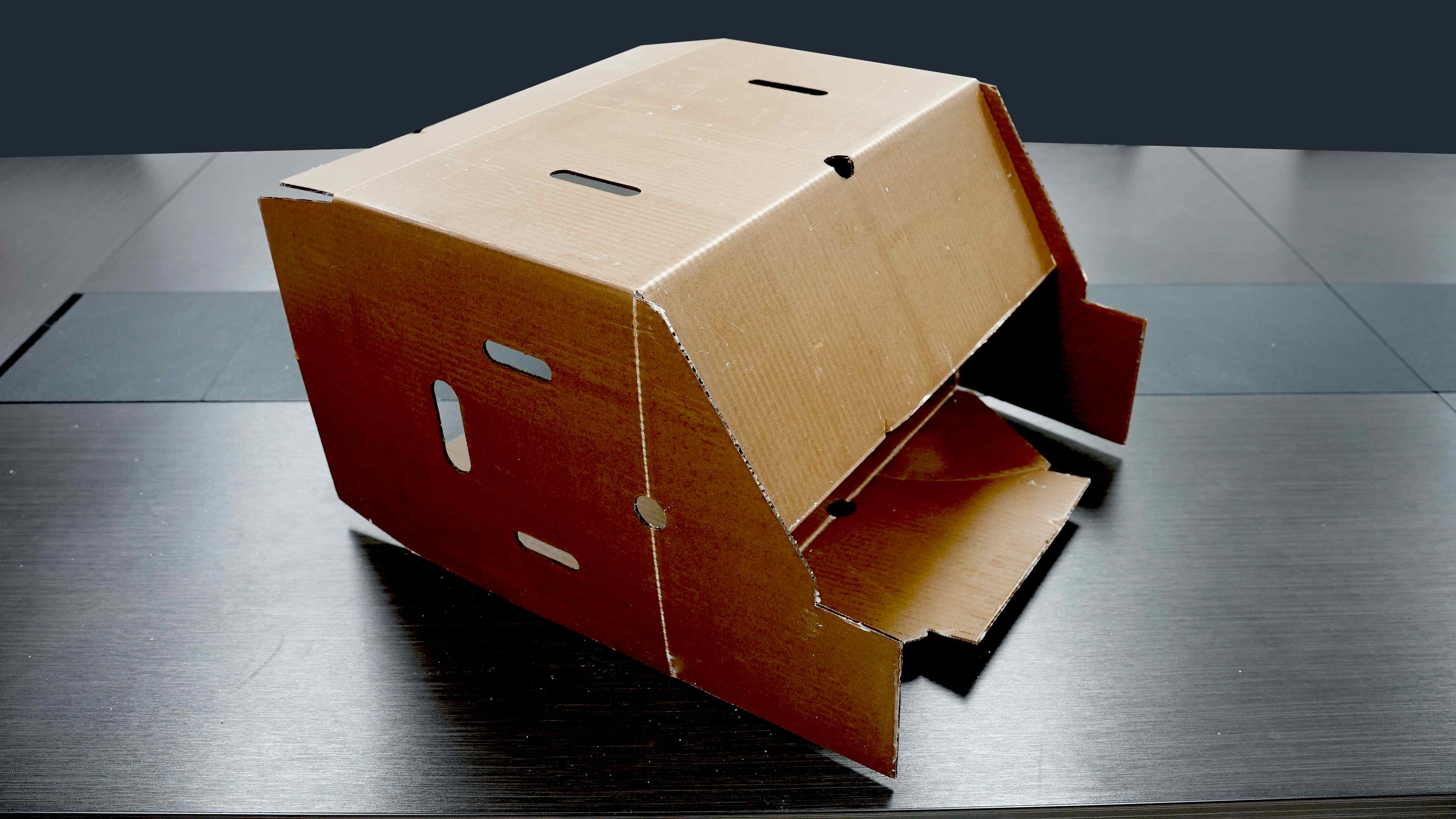
Condensation doesn’t announce itself. It collects on container ceilings overnight, drips onto cartons during the day, and seeps into fiberboard before anyone notices. Export goods spend weeks at sea, cycling through tropical humidity and cold snaps, and the result is often warped boxes, rusted hardware, or mold creeping across textiles. Standard cardboard acts like a sponge, losing crush strength as moisture climbs, and by the time a shipment reaches port, the packaging may already be failing under its own weight.
Waxed boxes counter this by sealing the most vulnerable surface. A thin paraffin or microcrystalline wax layer coats the fibers, forcing water to bead and roll off instead of soaking in. Even when stacked in a humid hold, the boxes keep their rigidity longer, protecting contents from both liquid contact and ambient dampness. The coating isn’t a plastic film—it breathes just enough to avoid trapping internal moisture while still blocking external humidity, striking a balance that raw cardboard can’t manage.
This makes waxed boxes especially useful for goods like fresh produce, metal parts, or machinery that cannot tolerate a soggy environment. Unlike plastic crates, they remain lightweight and collapsible for return shipping, yet they don’t break down after a single damp cycle. For exporters who have watched a consignment arrive with collapsed corners and peeling labels, switching to waxed boxes often means fewer claims, less repacking, and cargo that looks as dry at the warehouse as it did at the factory.
Stacked, Shipped, and Still Dry with Waxed Corrugated
When product safety depends on surviving humid trailers and wet loading docks, ordinary cardboard gives up before the first pallet is unloaded. Waxed corrugated flips that story. Each flute and liner gets a uniform wax saturation that turns the board into a moisture barrier, not just a box. You can stack cases six high on a refrigerated truck, watch condensation bead and roll off, and still find the contents bone dry at the destination.
The real advantage shows up in high-humidity distribution cycles. Standard corrugated loses compression strength fast once it absorbs water vapor, which leads to crushed lower cartons and split side walls. Waxed board keeps its stiffness under load because the fibers never soften from moisture pickup. That means fewer damaged goods, fewer repacks, and less shrink on the receiving end—especially for produce, seafood, or frozen items that go straight from cold storage into a warm warehouse.
You don't need to baby these boxes through the supply chain. They shrug off rain splatter during hand-off, sit on wet pallet boards without wicking, and survive a long haul without collapsing under the weight above. For operations that ship cold, ship wet, or ship heavy, waxed corrugated turns a fragile packaging gamble into a repeatable, dry-handed delivery.
No More Soggy Arrivals with Waxed Corrugated
Water damage during transit has long been a quiet killer for shippers, turning sturdy boxes into mushy failures by the time they reach a loading dock. Waxed corrugated changes that equation entirely. The wax treatment penetrates the linerboard, forming a moisture-resistant barrier that keeps contents dry even when pallets sit in rain, snow, or humid warehouse conditions. Unlike standard cardboard that wicks up water from the edges, waxed corrugated shrugs off dampness, preserving stacking strength and preventing the all-too-common collapse of soggy cartons.
This isn't just a surface coating that rubs off on gloves or forklift tines. The wax is integrated during the corrugating process so that both the fluting and the liners repel water while still maintaining printability and tape adhesion on the outer face. For anything that travels cold chain, sits on open-air docks, or gets stored in unheated spaces, this material eliminates the need for plastic liners or desiccant packs in many scenarios. The result is a box that arrives looking as crisp as the day it was packed, with no bulging seams or softening corners to worry about.
Operators who switch to waxed corrugated often notice fewer damage claims and less need to re-box shipments before final delivery. Because the structure holds up under moisture, it also avoids the musty odor that develops when untreated paperboard gets wet and then dries. That makes waxed corrugated a practical choice for produce, seafood, chemicals, and any product where a damp carton would mean a rejected order. The arrival is dry, the contents are intact, and the supply chain loses one more variable it never had time to manage.
Crossing Oceans, Beating Damp with Waxed Boxes
Before the clatter of steel containers and moisture-wicking wraps, merchants and sailors trusted something far simpler: wooden crates sealed with hot wax. The idea was blunt but effective—once the melted wax soaked into the joints and grain, water had to work much harder to find a way in. On long Atlantic or Indian Ocean crossings, where humidity below deck could swing from muggy to dripping, a waxed box was often the difference between dry tea and a moldy loss.
The treatment wasn't just a quick brush-over. Box makers would heat beeswax or paraffin and work it into every seam, corner, and knot, sometimes adding linseed oil for extra resilience. The result had a slightly tacky, sweet smell and a surface that beaded moisture instead of absorbing it. Even when condensation formed on the outside overnight, the contents stayed surprisingly crisp. Crews learned to stack these boxes away from direct heat, since wax softened in the tropics, but not so tightly that air couldn't move across the lids.
What made waxed boxes endure wasn't high technology; it was the cheap, repeatable logic of sealing the skin of a container against the sea's damp breath. They could be re-waxed in port, repaired with a hot knife, and reused until the wood itself gave out. For anyone shipping letters, spices, or fine cloth before the age of plastic, that humble waxy sheen was a quiet guarantee: the ocean might rise and spray, but the cargo inside stayed dry.
Beyond Basic Cardboard for Global Trade
A standard corrugated box rarely survives the realities of long-haul shipping without help. Humidity, vibration, rough handling at ports, and sudden temperature swings can degrade cardboard long before cargo reaches its destination. Forward-thinking exporters are now turning to reinforced fibreboard, honeycomb panels, and moisture-resistant laminates that keep structural integrity intact even after weeks at sea. These materials add minimal weight but dramatically cut damage claims and repackaging costs.
Beyond physical toughness, packaging now carries information. Thin flexible sensors printed directly onto box walls can log tilt, impact, and temperature exposure throughout a journey. A simple colour-change label reveals if perishable goods drifted outside safe ranges. This turns the humble box into a passive data recorder, giving importers a clear picture of what happened between warehouse and final delivery without needing extra hardware or manual checks.
The push beyond basic cardboard also intersects with circular logistics. Reusable plastic crates with embedded tracking chips, moulded pulp cushions made from agricultural waste, and wax-free water-based coatings are replacing single-use materials. These alternatives cut disposal fees and align with tightening import regulations on packaging waste. In global trade, the box is no longer just a container; it is becoming a strategic asset that protects the product, tells its story, and reduces the environmental footprint of cross-border commerce.
FAQ
A uniform wax infusion throughout the fluting and liners keeps moisture from creeping in, so the board stays rigid even when containers sit in damp holds for weeks.
Yes, the wax treatment reinforces the fiber bonds and the double-wall construction resists compression, making them dependable for fresh fruit, seafood, and frozen exports.
The wax used is repulpable under standard mill processes, which means the boxes can re-enter the paper stream rather than heading straight to landfill.
Sizes, flute profiles, hand holes, ventilation slots, and flexographic branding can be adjusted to match the product and destination requirements.
They are checked for burst strength, edge crush resistance, Cobb water absorption, and stack stability under simulated transit humidity to ensure export-grade performance.
They can be produced with food-safe wax and liners that comply with FDA and EU framework regulations when specified at the order stage.
Standard boxes soften quickly and lose stacking strength, while the waxed version repels surface water and maintains its shape far longer under the same conditions.
Fresh produce, meat and poultry, seafood, horticulture, and any cold-chain export operation that faces moisture, ice melt, or high humidity during transit.
Conclusion
Exporters shipping goods across oceans have long struggled with moisture damage. Standard cardboard weakens when humid air seeps into containers, leading to soggy arrivals and rejected shipments. China's waxed corrugated boxes solve this by adding a wax coating that repels water while keeping structural integrity. From packed pallets stacked high in a container to weeks at sea with shifting humidity, these boxes hold their shape and keep contents dry far better than untreated board. The wax treatment also fights the quiet enemy of humidity that creeps in through vents and temperature swings. Even when condensation forms on container walls or a floor gets damp, the waxed surface keeps moisture from soaking into the board. That means electronics, textiles, and food products arrive without water stains, mold, or crushed corners.
Rather than relying on basic cardboard that turns soft at the first sign of condensation, forward-thinking exporters now choose waxed corrugated for global trade. The boxes cross oceans, beat damp, and arrive looking as crisp as when they left the factory. Because the wax barrier does not wash off easily, stacked loads stay dry from port to port, whether the route passes through the tropics or a cold climate. This translates into fewer insurance claims, fewer returns, and happier customers overseas. It also reduces the need for plastic wrap or desiccants, cutting packaging waste and cost. When ocean freight meets moisture, waxed corrugated wins—not just as a box, but as a reliable part of the export supply chain.
Contact Us
Contact Person: Mr. Ge Man
Email: [email protected]
Tel/WhatsApp: 8613710506492
Website: https://www.shitengzx.com