

China Stainless Steel Cup Factory: Your Complete Guide to Custom Manufacturing
2026-09-21
Most buyers assume every stainless steel cup factory in China is the same, until a shipment arrives with uneven welding or coating that flakes within weeks. This guide removes the guesswork. You'll see how to compare material grades, tooling, finishes, and quality checks, and why APEXAL has become a go-to reference for brands that refuse to compromise on custom manufacturing.
Inside a Typical Stainless Steel Cup Workshop
Walking into a stainless steel cup workshop, the first thing that hits you is the rhythmic clatter of metal being shaped. Long coils of steel are fed into stamping presses, where they are punched into circular blanks and then drawn into cup bodies through a series of deep-drawing operations. Each press station has a specific role—trimming edges, forming the bottom, or rolling the rim—and the operators move with a practiced ease, checking measurements with calipers every few minutes. It is not a silent, sterile environment; there is a layer of fine metal dust on the floor and the smell of cutting fluid hangs in the air, but everything follows a clear, unspoken sequence.
Further down the line, the cup bodies are welded or seamed, depending on the design, and then sent through polishing and buffing machines that turn the dull steel into a mirror finish. Workers at this stage wear thick gloves and face shields, because the wheels spin fast and the metal can get hot. Quality control happens right at the bench: a cup with a tiny dent or a weld seam that is slightly off gets pulled aside and fixed by hand with a small hammer and a fine file. The workshop does not rely on automated cameras alone; the most reliable inspection still comes from someone running a thumb along the inside seam.
What makes a typical workshop stand out is not the machinery but the little adjustments. One corner might have a custom jig for aligning handles, while another has a rack of hand tools worn smooth from years of use. The pace is steady, not frantic, because every batch of cups has to pass a leak test and a vacuum test before it can move to packaging. By the end of the shift, the finished cups are stacked in cardboard boxes, each one wiped clean of fingerprints. It is a place where precision is measured in fractions of a millimeter, but the real skill is knowing when to trust the machine and when to trust your hands.
Mapping Out Your Custom Cup From Idea to First Sample
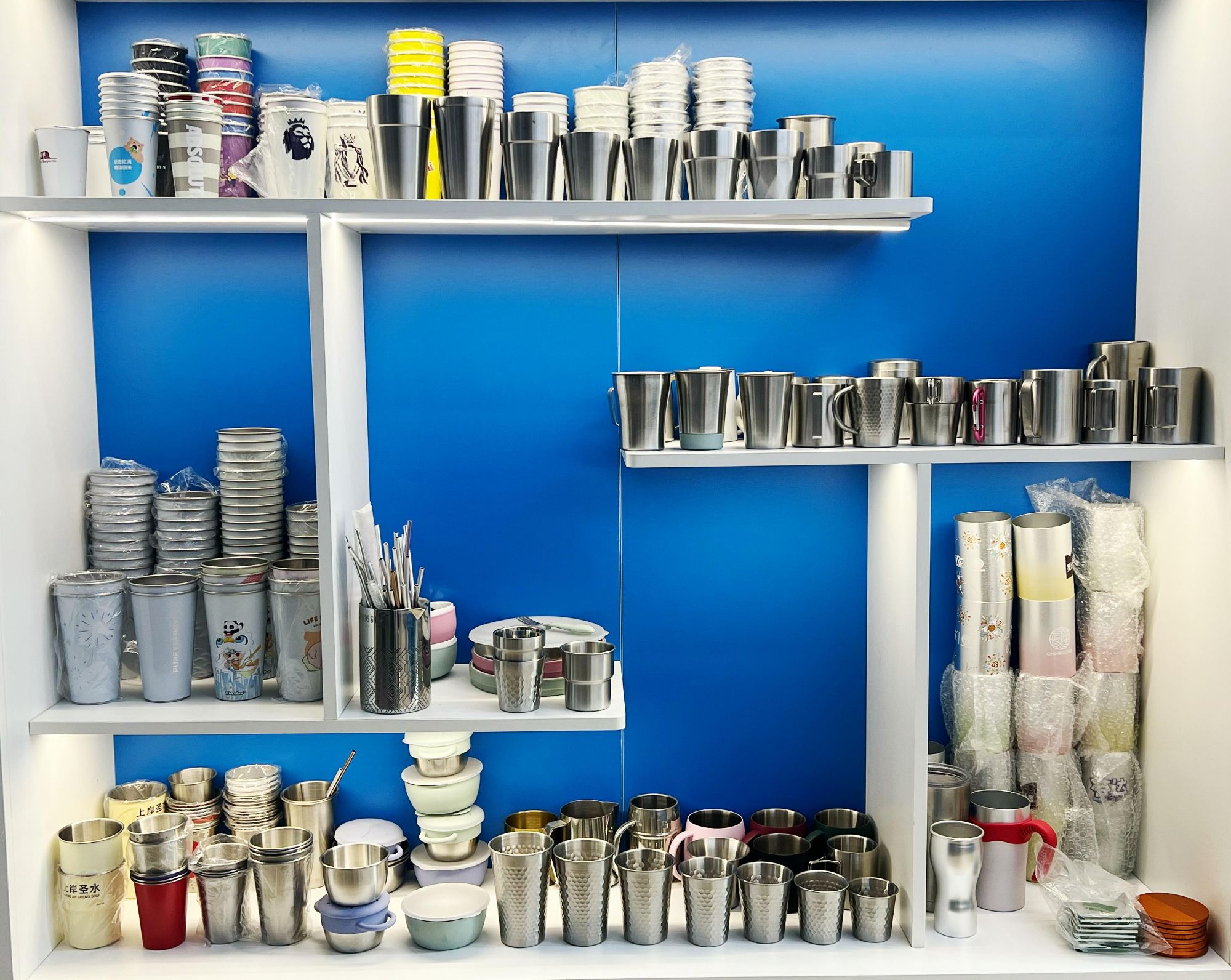
Every custom cup starts somewhere between a sketch on a napkin and a pile of reference photos you can't stop scrolling past at 2 a.m. The first step isn't picking a Pantone—it's pinning down the moment you want someone to feel when they wrap their hands around it. Is this a cup for slow mornings, a gym-bag essential, or a gift that needs to survive being dropped three times before lunch? Nail that, and the shape, material, and even the sound of the lid suddenly start making sense.
From there, you move from vibes to variables: capacity, height, mouth diameter, wall thickness, and whether it needs to fit a standard car holder or a specific retail shelf. Quick prototypes can be as rough as a 3D-printed shell with tape over the seams, or as precise as a machined sample that costs more than your first month of rent. Don't skip the ugly phase—fill it, sip from it, drop it, leave it in a hot car. The first sample is never the final answer, but it's the only way to turn a good idea into a cup you'd actually use.
The Materials and Insulation Methods That Decide Cup Quality
A cup's daily performance often comes down to what it's made from. Thin glass might feel elegant but loses heat before your second sip, while double-wall stainless steel traps warmth for hours because the vacuum between its layers stops conduction almost completely. Ceramic sits somewhere in between, offering a pleasant lip feel and steady, if unspectacular, temperature retention.
Insulation isn't just about adding foam or rubber. The most effective travel mugs rely on a vacuum gap with a reflective inner coating, which curbs both conductive and radiant heat loss. Copper or aluminum linings show up in higher-end designs to speed up initial cooling or heating, but they can add weight and cost without always improving real-world use.
Even small material choices matter. A lid made from thin polypropylene will undo the body's insulation, while silicone gaskets that degrade quickly lead to leaks and temperature swings. The best cups pair a robust shell with a well-sealed, insulated lid, because no wall thickness can compensate for heat escaping through the top.
Design Details That Make Your Cups Stand Out on Shelves
A low-gloss reactive glaze does most of the work here. It breaks light unevenly across the surface, so no two cups catch the eye the same way. Pair that with a matte unglazed foot ring and the cup sits slightly proud of the shelf, casting a soft shadow that separates it from the sterile rows of identical drinkware nearby.
The handle geometry matters more than most buyers realize. A squared-off ear with a subtle inward taper invites a thumb-and-forefinger grip before the cup is even lifted. At shelf height, that little angle reads as a deliberate flaw against a sea of rounded handles, pulling attention without shouting.
Interior color is the sleeper detail. A deep cobalt or burnt orange liner peeking over the rim adds a second focal point when viewed from above or at eye level. It makes the cup feel finished from every angle, and it gives the eye a reason to pause long enough to reach for it.
Realistic Timelines and Minimum Order Quantities Explained
Most manufacturers won't promise overnight turnarounds, and that's actually a good sign. Expect a realistic window of 30 to 45 days for production after design approval and deposit, with an additional 2 to 4 weeks for shipping depending on your location. Rush orders are occasionally possible, but pushing for unrealistic deadlines often leads to corners being cut on stitching, hardware, or quality checks.
Minimum order quantities, or MOQs, vary widely based on the factory's setup. For fully custom designs, a typical MOQ might range from 300 to 500 pieces per style and color. However, some smaller workshops accept as few as 100 units if you're flexible on fabric choices or willing to pay a per-unit surcharge. Avoid factories that promise tiny MOQs with no price penalty—that usually signals a middleman markup rather than direct manufacturing.
A practical approach is to start with a pilot order of 150 to 200 units across two or three colorways. This lets you test real-world response without committing to a full container load. Keep in mind that fabric suppliers also have their own MOQs for custom-dyed or specialty materials, so consolidating colors or sticking to stock fabrics can keep your first run financially sane.
How to Vet a Factory Before You Commit
Don't let a polished sample or a low quote convince you on its own. If you can, show up unannounced or hire a local inspector to walk the floor. Watch whether production lines are actually running, whether workers seem trained, and whether materials are stored in a logical way. A factory that only lets you see the showroom and keeps you away from the shop floor is giving you a clear warning.
Ask for paperwork and verify the details independently. Business registration, certifications, bank account names, and the factory address should all match. Request a few recent client references and actually contact them. Vague answers about capacity, lead times, or key customers are not something to overlook. Pay attention to basic safety too: fire exits, machine guards, and whether workers are wearing proper protective gear.
Place a small trial order before committing to large volumes. Use it to evaluate how the factory handles specifications, communication, packaging, and deadlines. If a small run is late or sloppy, a big order will only magnify those problems. Keep your payment terms balanced—something like a 30% deposit with the balance due after inspection gives you leverage if things go wrong.
FAQ
Most factories default to 304 stainless steel for the inner wall because it resists corrosion and won't react with acidic drinks like coffee or juice. For the outer layer, you'll often see 201 stainless steel as a lower-cost option, though it's less rust-resistant in humid environments. Some high-end orders specify 316 stainless steel, which adds molybdenum for extra protection against salt and chemicals—useful if the cup is meant for marine or medical use. The grade impacts both durability and price, so it's worth asking which parts of the cup use which grade.
It starts with a sample or a technical drawing. You share your idea—maybe a rough sketch or a competitor's cup you want to improve on—and the factory's engineering team turns that into a 3D model and a spec sheet. After you approve the pre-production sample, they order raw materials and set up tooling for any custom components like lids or handles. Then comes a small trial run to catch issues, followed by mass production, in-line inspection, and finally packaging. Expect several rounds of back-and-forth, especially if it's a complex design.
For a fully custom mold—say a unique lid or a curved body—MOQs often start around 1,000 to 3,000 pieces per color. But if you stick to an existing mold and only add laser engraving or a printed wrap, some factories will accept 300 to 500 pieces. Negotiation is possible, but it usually means paying a higher unit price or sharing mold costs. Smaller orders are less efficient for the factory, so they'll charge a premium to make it worthwhile.
Reputable factories run multiple checks. They test the vacuum insulation by filling the cup with hot water and measuring temperature loss over a set period. They also do leak tests on lids, drop tests from a standard height, and surface inspections for scratches or uneven coating. A good factory will send you a QC report with photos and test data before shipping. Some buyers hire a third-party inspection service for extra peace of mind, especially on first orders.
You can change the cup's shape, size, lid style, handle type, and even the texture of the outer coating. Powder coating offers a matte or rubberized feel, while laser engraving gives a permanent metallic look. Some factories do color-gradient finishes, glow-in-the-dark coatings, or custom packaging with foam inserts and printed boxes. You can also request accessories like tea strainers, reusable straws, or carabiner clips. The key is checking whether the factory has the equipment for your idea—some finishes require special ovens or lasers.
After the sample is approved, production typically takes 25 to 40 days depending on order size and complexity. If you need custom molds, add two to three weeks for tooling. Shipping by sea from a Chinese port to the US or Europe usually takes 15 to 30 days, plus time for customs clearance. Faster options like air freight can cut transit to a week but cost much more. In total, plan for a realistic lead time of 60 to 75 days from final approval to delivery, though rush orders can sometimes be squeezed.
Material grade is the big one—316 steel costs more than 304, and thicker walls use more metal. Complexity of the mold, number of printing colors, and type of finish also matter. Packaging requirements, like a custom gift box versus a plain polybag, add cost. Factory location and labor rates play a role, but surprisingly, shipping and import duties often account for a larger share than buyers expect. Order volume has the biggest leverage: doubling your quantity might reduce unit cost by 15 to 20 percent.
Ask for their business license and check the registration date—factories that have been around for a decade are less likely to disappear mid-order. Request references from past clients in your industry, and if possible, schedule a video call to walk through the production floor. Look for certifications like ISO 9001 for quality management or LFGB/FDA food-contact compliance for cups sold in certain markets. A reliable factory will also be upfront about their limitations rather than promising you can have any design at any price.
Conclusion
Walking through a Chinese stainless steel cup facility, you quickly notice that tidy workstations and bright inspection lamps are not for show. The better workshops run laser cutting, hydroforming, and robotic polishing in separate zones, so each cup body keeps consistent wall thickness. When you move from a rough sketch to a physical sample, expect a back-and-forth of 3D drawings, material confirmation, and a tooling review before the first prototype lands in your hands. The real difference in quality usually hides in the liner grade and insulation method. Trustworthy factories will show test data for 304 or 316 stainless steel rather than simply claiming "food grade." A copper-coated inner wall or a vacuum gap that holds a temperature test for six to twelve hours tells you more than a glossy spec sheet.
On the shelf, small design moves matter more than loud logos. A slightly tapered base that fits car cup holders, a powder-coated finish that resists scratches, or a lid with a quiet slide lock can make your cup easier to sell. Realistic timelines and minimum order quantities are not one-size-fits-all. Simple blanks with one-color printing might ship in three to four weeks, while double-wall vacuum models with custom molds often need forty-five to sixty days and an MOQ of 1,000 to 3,000 units. Before you commit, request factory audit reports, ask for video of the production line, and order a pre-production sample from the same line that will run your bulk order. A quick visit or a video call with the quality manager often reveals more than a polished catalog.
Contact Us
Contact Person: Milo
Email: [email protected]
Tel/WhatsApp: +86 18621923991
Website: https://www.dgbaide.com