

China Shaving Gel Factory: A Behind-the-Scenes Look at Production Excellence
2026-08-29
When you think of premium shaving gel, China rarely comes to mind—until you step inside Wilson’s production facility. Behind the scenes at this China shaving gel factory, every batch is a masterclass in precision, from raw material sourcing to the final pressure test. But what really sets Wilson apart isn’t just the machinery; it’s the obsessive attention to detail that turns a daily routine into a flawless experience. Curious how a factory tucked away in China became a global benchmark for production excellence? Keep reading to discover the unseen processes, the quality checks, and the secrets that make Wilson a name trusted by millions. This isn’t just manufacturing—it’s craftsmanship at scale. Let’s pull back the curtain.
Inside the Formula Vault: How Raw Ingredients Become a Rich Lather
Most people assume a thick lather comes from simply adding more soap, but the real work happens long before the first drop hits water. Inside the formula vault, raw surfactants like sodium cocoyl isethionate and cocamidopropyl betaine are weighed, blended, and pH-buffered in precise ratios. Their molecular shapes matter: some carry a bulky head that traps air, others unfold slowly to stabilize the bubble walls. Without that balance, you get either a thin, fleeting froth or a dense paste that refuses to rinse clean.
Water quality also gets engineered into the mix. Hard-water ions can collapse a foam before it forms, so chelating agents such as sodium phytate are introduced early to bind calcium and magnesium. Then comes the shear step—high-speed mixing folds air into the surfactant solution under controlled temperature, coaxing the micelles into smaller, more uniform bubbles. This isn't just whipping; it's a deliberate alignment of ingredient order, heat, and mechanical energy that determines whether the final texture feels cushiony or squeaky.
The last layer of nuance comes from additives that most labels never name. Fatty alcohols like cetyl alcohol thicken the lather without weighing it down, while glycerin pulls moisture into the bubble film to delay collapse. Even the choice of preservative can shift how long a foam holds its peak. By the time a finished cleanser reaches your hands, it has passed through a quiet choreography of raw input, controlled stress, and sensory testing—every step tuned so that the lather feels effortless rather than engineered.
Precision in the Mixing Suite: Balancing Temperature, Texture, and Time
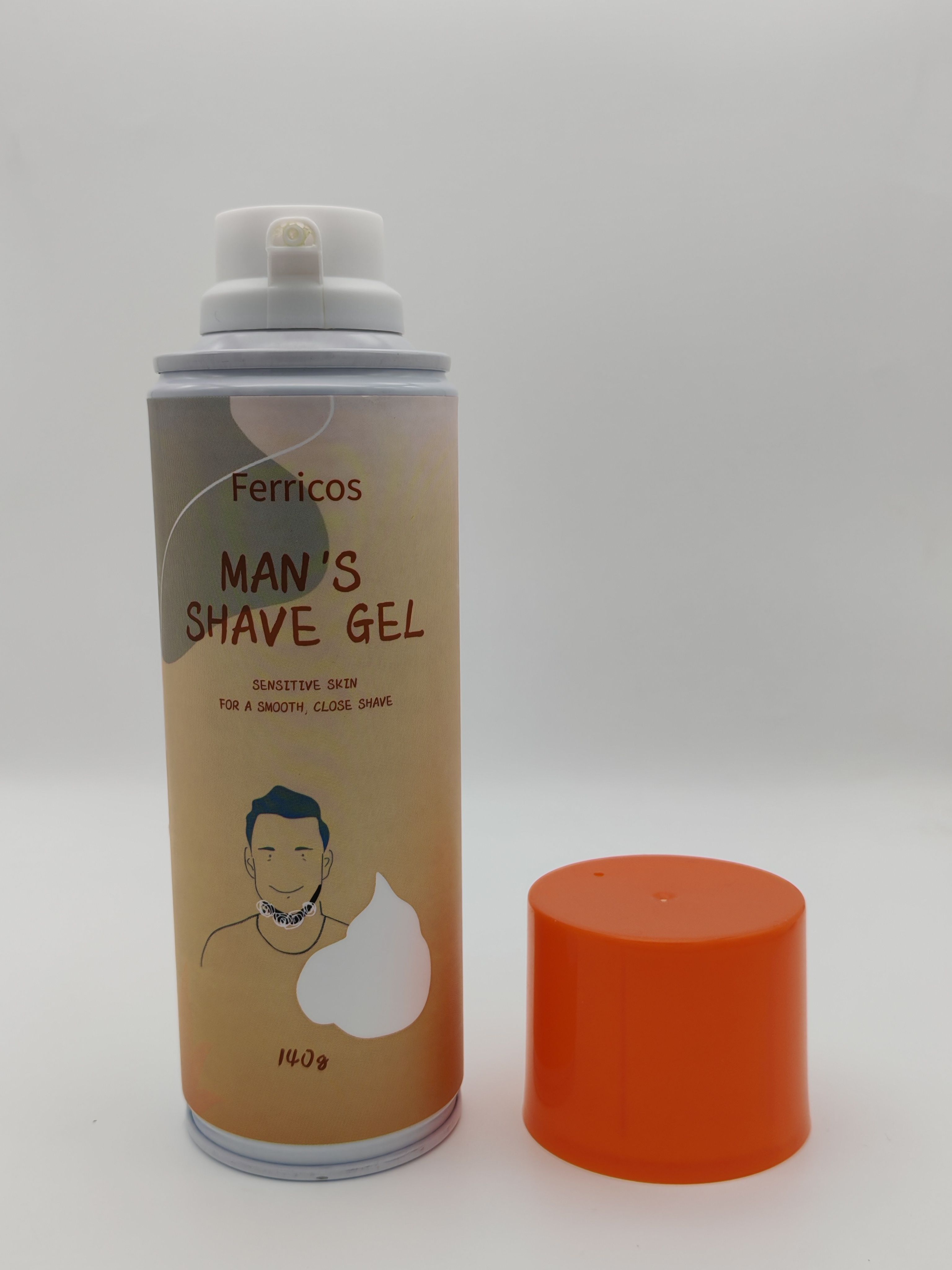
Nailing the final texture of a dough or batter rarely comes down to a single variable. In practice, the temperature of the room, the friction heat from the mixer, and the resting intervals between folds all pull the result in different directions. A chilled bowl might slow yeast activity just enough to keep a brioche from overproofing during a long mix, while the same chill could make a pie crust unworkably stiff. The trick is to read the material rather than the clock—stop when the dough stops clinging to the sides, not when a generic recipe says minute six has arrived.
Time acts as an invisible ingredient, especially with high-hydration doughs where gluten development depends as much on waiting as on mechanical kneading. A short, vigorous mix followed by a series of stretch-and-folds over two hours often yields a more open crumb than ten minutes of punishing the mixer. But leave that same dough too long at a warm ambient temperature, and the acids from fermentation start breaking down the very network you built. Experienced bakers learn to feel the difference between a dough that is extensible because it is properly rested and one that has tipped into enzyme-driven breakdown.
Texture feedback is the most honest gauge, yet it requires calibrating your hands to the specific recipe. A sabayon thickened too quickly over high heat will scramble, while one held too long under a gentle whisk never reaches the ribbon stage. In the mixing suite, the goal is not to force every batch to match a photo, but to understand how temperature shifts viscosity, how time directs structure, and how a five-degree change can turn a glossy emulsion into a split mess. Precision lives in those small corrections, not in chasing an absolute number on a probe.
Quality Gates That Never Close: Batch Testing From First Pour to Final Tube
In concrete production, the idea of a quality gate often conjures images of a single checkpoint where a sample is taken and either passed or rejected. But for durable pipe manufacturing, that mindset falls short. From the moment the first aggregate hits the mixer to the second the final tube is cured and stacked, every transition point becomes a live test station. The batch isn't just measured once; it's tracked for slump, air content, temperature, and mix uniformity at multiple stages, with adjustments made on the fly rather than waiting for a lab result days later.
These gates don't swing shut after a batch leaves the pouring station. Instead, they follow the material as it moves through vibration, demolding, and curing. Technicians pull samples not only from the truck chute but also from the middle of the pour, from the core of a freshly stripped pipe, and from the steam-cured product before it enters the yard. Each check feeds a running profile of the batch, so a deviation in early strength or a subtle change in aggregate moisture triggers an immediate tweak in the next mix, instead of producing a full run of substandard tubes.
What makes this system work is that the gates are defined by the process, not by a shift schedule. A pipe that leaves the plant on a Friday evening has passed the same number of checks as one that ships on a Tuesday morning. The batch record isn't a single stamp of approval but a chain of timed observations, each linked to the previous one. When a final tube is loaded for delivery, its history reads less like a pass/fail report and more like a continuous log of decisions made while the concrete was still moving.
Sustainable Suds in Action: Cutting Water, Waste, and Energy on the Line
Rather than chasing after the newest sustainability buzzwords, floor managers at the plant took a hard look at where suds were actually being lost. They found that a surprising amount of rinse water was still soap-laden, meaning chemicals and energy were slipping down the drain. By adjusting nozzle angles and switching to low-foam detergents that still cut grease, the team cut water use by nearly a third without slowing the line.
Waste reduction came next. Empty chemical drums used to pile up fast; now they're refilled from a bulk tank, and any leftover concentrate is recovered through a simple drip tray. Even the heat from the wash tanks gets redirected to pre-warm incoming water, shaving minutes off each cycle. Workers keep a simple log, not a dashboard full of metrics, and that's made it easier to spot leaks or overuse within a shift.
The real shift, though, was in mindset. Instead of treating sustainability as a separate project, the line now runs with a "use what you need, reuse what you can" routine. Monthly energy audits feel less like inspections and more like a chance to fine-tune. The result: suds are still plentiful, but the water bill, waste hauling fees, and gas usage have all dropped—proof that a production line can stay clean and lean at the same time.
The Skilled Hands Behind Smart Machines: Where Craft Meets Automation
Every precise weld on a robotic arm begins with a human eye that knows when a bead is just a fraction off. The people who build smart machines don't simply bolt parts together; they read metal grain like a map, adjust torque by feel, and catch flaws no sensor alone would flag. Automation handles speed and repetition, but the craft lies in the final hand-check—the micrometer across a bearing seat, the tap of a mallet that tells a technician if a frame is truly square.
On the assembly floor, you'll find machinists using decades-old dial indicators next to tablet-driven torque wrenches. This blend isn't a compromise. It's a deliberate layering of skill: the machine proposes, the craftsperson disposes. A slight change in ambient temperature, a batch of steel with an unpredictable hardness, a cable routed just differently enough to bind—these are the moments when a trained hand steps in. The smart machine may learn from data, but the hands teach it what data can't yet see.
Where craft meets automation, the result isn't a hybrid that dilutes either world. It's a machine that remembers the palm's pressure on a lever, the quiet correction of a jig after a thousand cycles, the instinct to back off a bolt because the thread just felt soft. Those decisions get folded back into the code, not as abstract parameters but as a living trace of human judgment. That is how a production line stops feeling sterile and starts feeling like a workshop.
Packed for the World: Final Inspections, Filling, and Shipping Standards
Every product that leaves our facility goes through a final inspection where nothing is taken for granted. We check fill levels against calibrated gauges, verify torque on caps, and scan each batch code twice before it moves to the packing line. A single underfilled unit doesn't just trigger a reject, it stops the line long enough for a root cause check, so the same issue never repeats on the next shift.
Filling itself is handled by closed-loop systems that adjust flow rates based on real-time weight feedback, eliminating the drift you'd see with older volumetric fillers. Operators don't guess; they log verification readings every fifteen minutes, and those logs are reviewed by a supervisor before the pallet leaves the dock. If a seal fails a vacuum test, the entire bin is quarantined and reworked by hand, not pushed through because it's 'close enough.'
Shipping standards get just as much attention as the filling room. We use corner-board reinforced pallets, double-wall cartons, and humidity indicators for any destination where moisture could compromise the product. Each order is photographed from four angles before the truck door closes, and that photo set travels with the bill of lading. It's not about paperwork; it's about making sure what arrives in Rotterdam or Singapore looks exactly like what left the line.
FAQ
The facility combines precision automation with hands-on checks. Every mixing tank runs on a closed-loop temperature system, and operators pull samples at three stages to verify pH and viscosity before the batch moves forward.
We rely on inline viscometers that feed data to the control room every few seconds. If the reading drifts even slightly outside the target range, the system adjusts the shear rate automatically, and a lab tech double-checks with a rotational rheometer.
Common ingredients include purified water, glycerin, aloe vera extract, and mild surfactants. Most suppliers are domestic farms and chemical plants that pass an annual audit covering heavy metals, microbial limits, and traceability back to the source lot.
After a final filtration, the gel moves to a buffer tank that feeds six high-speed filling nozzles. Each can is purged with nitrogen right before the gel drops in, which keeps oxidation low. Then the can goes through a capping station, a weight check, and a laser coder that prints the batch and expiry.
The production area follows ISO 22716 guidelines. Workers enter through an air shower, wear full coveralls and hairnets, and gloves are changed every two hours. Daily swab tests on filling nozzles and conveyor belts are logged, and any positive result triggers a full line sanitation before resuming.
Rinse water from the mixing tanks is collected, filtered through activated carbon, and reused for non-product cleaning. Solid waste, like rejected cans or plastic film, is compacted and sent to a licensed recycler. The cooling towers also use a closed-loop system to cut down on evaporation loss.
Aside from in-process checks, the finished batch sits in quarantine for five days while the lab runs a microbial count, preservative efficacy test, and a 45°C stability screen. Only after all three pass does the batch get a release certificate and move to the warehouse.
A cold-process mixing method was rolled out last year, which cuts energy use by about 18% and protects heat-sensitive actives. We also added a camera-based inspection system that spots dented or mislabeled cans at 400 units per minute, sending rejects to a side lane without stopping the line.
Conclusion
Walking through a Chinese shaving gel factory, you quickly realize that the final product is less about a single secret and more about an obsessive sequence of small decisions. The formula vault holds dozens of raw ingredients—thickeners, surfactants, humectants, and fragrance bases—each weighed and logged before entering the mixing suite. There, technicians watch temperature curves and viscosity readings like bakers checking dough, adjusting blade speed or cooling water to keep the lather dense without turning it gluey. What stands out is not just machinery but the refusal to trust any single sensor; every batch is sampled at first pour, mid-run, and final tube, with pH, foam stability, and microbial counts compared against the same narrow band used since the line was commissioned.
Beyond the lab benches, the plant runs lean on water and power. Rinse cycles are timed to the second, heat from cooling compressors feeds pre-warm water for the next mix, and rejected tubes are ground and returned as recycled regrind for non-contact parts. Operators move between control panels and manual inspection stations, catching label skew or cap torque issues that cameras sometimes miss. Before shipping, each carton gets a final weigh check and a scan against destination-specific labeling rules. The result feels less like a generic factory tour and more like a place where craft discipline and automated consistency coexist without much fanfare—just a steady line of shaving gel moving out the door, ready for shelves anywhere.
Contact Us
Contact Person: Simon
Email: [email protected]
Tel/WhatsApp: +86 13267966849
Website: https://www.wilsoncosmetic.com