

China Laser Printable Wristbands: The Future of Event Identification and Access Control
2026-07-08
In the world of event management, efficient identification and access control are crucial. Laser printable wristbands are revolutionizing this space, offering a blend of security and convenience. As a leader in this innovation, BAOBI provides cutting-edge solutions that promise to redefine the attendee experience. But what exactly makes these wristbands the future? Let's delve into the technology and benefits that set them apart.
Revolutionizing Event Access with Laser-Printed Wristbands
For years, event organizers have wrestled with the same headaches at entry gates: long lines, counterfeit tickets, and the hassle of distributing physical passes that are easily lost or damaged. The shift to laser-printed wristbands changes that dynamic entirely. Instead of relying on flimsy paper or generic plastic bands, each wristband is produced on-demand with precise, high-resolution details that include unique identifiers, attendee names, or even sponsor logos. This means every single band becomes a personalized, wearable token that speeds up validation while adding a layer of visual authenticity that is nearly impossible to replicate without specialized equipment.
The real magic happens in the printing process itself. Laser technology etches crisp, smudge-proof graphics directly onto the material, whether it’s Tyvek, silicone, or fabric. The result is a durable, waterproof band that holds up through days of music, dancing, and unpredictable weather. Scannable codes, like QR or barcodes, are integrated seamlessly into the design, allowing staff to verify access in a split second using any standard reader. Gone are the days of fumbling with phones or soggy paper tickets; a quick wrist scan is all it takes. And because the bands can be printed in small batches or even individually at the venue, last-minute changes or VIP upgrades become simple logistical tweaks rather than a nightmarish rush to reprint thousands of items.
Beyond practicality, laser-printed wristbands open up creative possibilities that traditional tickets can’t touch. Imagine a three-day festival where each day’s band features a different color gradient or metallic finish, all produced on the same compact printer backstage. Attendees start to see the bands as collectibles, little pieces of art that tell the story of the experience. For festivals, conferences, or private parties, this approach turns a functional item into a memorable keepsake—and that subtle shift has a profound effect on how people feel about the event from the moment they walk through the gate. The line moves faster, the staff seems more professional, and every guest gets a small moment of delight just by looking at their own wrist.
Why China’s Laser Printable Wristbands Are Setting New Standards
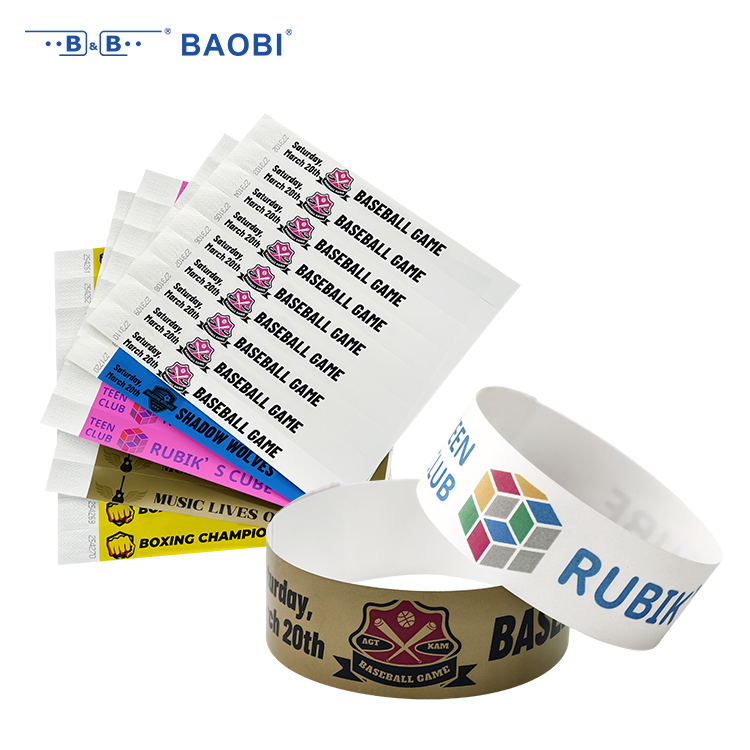
The shift toward laser printable wristbands from Chinese manufacturers isn’t just about cost—it’s a leap in functionality that’s hard to ignore. These aren’t the flimsy, smudge-prone tags of the past; they’re built with advanced synthetic materials that grip ink with astonishing clarity, even on glossy or waterproof surfaces. What really sets them apart is the integration of high-density polymer layers that withstand sweat, friction, and disinfectants without fading. Hospitals and event organizers notice the difference instantly: barcodes and patient IDs stay crisp through multiple shifts, eliminating the frustration of reprints and scanning errors. It’s the kind of quiet reliability that refines workflows without anyone having to think about it.
Beyond endurance, there’s a clever modularity baked into the supply chain. Chinese producers have mastered the art of customizing wristband cores for proprietary laser systems, meaning they can dial in the exact absorbance and contrast ratios a printer requires—no trial-and-error for the end user. This tight coupling reduces toner waste and speeds up throughput, which matters when you’re admitting hundreds of patients or guests in an hour. Facilities also appreciate the anti-counterfeiting layers now standard in premium models: a subtle holographic weave or a color-shift stripe that’s nearly impossible to replicate. Such features used to be reserved for high-security ID cards, but they’ve migrated downstream, giving everyday wristbands a forensic edge that enhances safety without bloating the budget.
The Next Generation of Secure Identification: Laser-Printed Tech
Laser-printed identification marks a turning point in how we approach security and authenticity. Unlike traditional methods that rely on surface-level prints or easily replicable tags, this technology embeds data directly into the physical structure of an object. By manipulating laser parameters at a microscopic scale, manufacturers can create unique, tamper-evident patterns that are virtually impossible to duplicate. These patterns can store encrypted information, acting as a forensic fingerprint that stays with the product throughout its lifecycle.
The process works by selectively altering material properties—such as color, reflectivity, or even creating sub-surface microstructures—during manufacturing or marking. This means every item, whether a high-security document, a critical aircraft component, or a luxury handbag, can carry its own irrefutable identity. Because the markings become part of the material itself, they withstand harsh environments, chemical exposure, and physical wear that would degrade conventional labels. This built-in resilience makes laser-printed identification ideal for long-term traceability in industries where failure is not an option.
What truly sets this approach apart is its integration with digital verification ecosystems. A simple scan with a standard smartphone camera can decode the hidden information, instantly linking the physical item to its digital twin on a secure blockchain ledger. This creates an unbroken chain of custody and authenticity, empowering consumers, inspectors, and law enforcement to verify an item's origin and history on the spot. As counterfeiters become more sophisticated, laser-printed tech offers a leap forward—turning everyday objects into their own unforgeable passports.
How Laser Printing Enhances Durability and Design for Wristbands
Laser printing transforms ordinary wristbands into durable, eye-catching accessories by fusing designs directly onto the material. Unlike traditional methods that rely on surface-level inks, the laser process embeds graphics deep into the fibers, creating resistance to fading, scratching, and peeling. This means wristbands can withstand daily wear, sweat, and frequent handling while keeping their vibrant look intact for much longer.
From a design perspective, laser printing opens up a world of precision that other techniques simply can't match. Intricate patterns, sharp text, and subtle gradients become possible, allowing for fully customized aesthetics that align with brand identities or event themes. The process also works beautifully on a variety of materials—silicone, fabric, leather—each yielding a distinct, high-end finish that feels both modern and tactile.
What sets laser printing apart is how it marries function with creativity. The permanent bond it creates ensures that even intricate details don't compromise the wristband's strength, while the ability to work with multiple layers and textures adds depth to the final product. Whether used for festivals, corporate giveaways, or medical ID bands, the result is a piece that stands out not just visually, but in terms of longevity too.
Real-World Applications: From Music Festivals to Corporate Events
At a massive music festival like Coachella, organizers ditched paper tickets years ago. Instead, attendees receive RFID wristbands that act as their digital identity. A quick tap at an entry gate verifies the ticket, another tap at a bar links the transaction directly to a preloaded account, and a tap at a backstage door confirms VIP access. It eliminates long queues, cuts down on fraud, and lets people focus on the music, not on fumbling for cash or phones.
Corporate conferences use similar thinking but in a more polished way. Picture a three-day industry summit where each delegate checks in via facial recognition, then a customized agenda appears on a lobby display as they walk by. Session rooms automatically track attendance through BLE badges, giving organizers real-time data on which talks are drawing crowds. Meanwhile, networking lounges feature interactive screens where scanning your badge pulls up shared professional interests with others nearby—sparking conversations that might never happen over stale coffee alone.
The Eco-Friendly Edge of China’s Printable Wristbands
The shift toward greener event solutions has brought China’s printable wristbands into the spotlight. These bands once relied on traditional plastics that lingered in landfills for decades. Now, manufacturers are embracing plant-based bioplastics and recycled PET fibers, dramatically lowering their carbon footprint. What’s more, the printing process itself has been revamped. Water-based inks and solvent-free colorants ensure that even the vibrant logos and QR codes don’t leak toxins during use or after disposal. It’s a full-circle approach that turns a simple accessory into a statement of environmental intent.
Durability hasn’t been sacrificed in the name of sustainability. In fact, many of these eco-conscious wristbands outlast their conventional counterparts. A bio-polyester band can easily withstand a weekend music festival, multiple showers, and hours under the sun without fraying or fading. The secret lies in advanced weaving techniques and non-toxic lamination that resists moisture without blocking the band’s ability to break down later under industrial composting conditions. That means organizers no longer have to choose between a sturdy wristband and a clear conscience—they get both.
Beyond the material, the supply chain itself is being rethought. Several Chinese producers now source local raw materials and power their facilities with renewable energy, cutting transport emissions and supporting circular economy models. Some even offer take-back programs where used wristbands are collected after an event and processed into new products. This closed-loop thinking challenges the throwaway culture that has long dominated the event industry. As more planners and brands look for tangible ways to reduce waste, these printable bands provide a small but meaningful step toward waste-free gatherings.
FAQ
They're durable, synthetic wristbands that can be customized on-demand using standard laser printers, eliminating the need for pre-printed batches.
They allow for unique, barcode or QR-coded identifiers to be printed per attendee, making it nearly impossible to counterfeit entry credentials.
The ability to print variable data instantly means faster check-ins, reduced waste from overproduction, and a sleek, modern look that resists fading.
Yes, large-scale festivals, tech conferences, and amusement parks across China are adopting them for seamless crowd flow and real-time attendance tracking.
Absolutely – you can print full-color logos, sequential numbers, and even personalized messages directly onto the band's surface right before issuing.
Most standard office laser printers work perfectly, which means organizers don't need to invest in specialized industrial equipment.
The material is waterproof and tear-resistant, designed to stay legible and intact for days of sun, sand, and water exposure.
While the manufacturing and initial innovation often come from China, the concept is rapidly being embraced by event organizers globally for its efficiency.
Conclusion
Laser printable wristbands from China are quietly reshaping how events handle identification and crowd flow. By fusing high-resolution laser marking with durable synthetic materials, these wristbands deliver a level of detail that traditional printing simply cannot match. Intricate logos, QR codes, and anti-counterfeit patterns become part of the band itself rather than a surface coating, making tampering or duplication far more difficult. This practical security leap has caught the attention of festival organizers and security teams who need reliable, fast-scan credentials without relying on easily forged paper tags. At the same time, the technology opens up creative possibilities, letting event brands embed subtle gradients or custom textures that feel more premium than generic stock bands. The result is one wristband that serves as a stylish keepsake, a functional access key, and a robust tool for real-time crowd analytics.
Beyond the gates of concerts and conferences, these bands are finding a place in corporate retreats, VIP lounges, and even hospital patient tracking. Their resistance to water, sweat, and extended wear makes them ideal for multi-day events where temporary badges would deteriorate. China’s manufacturers are further refining the eco-friendly side by using recyclable PET fabrics and non-toxic toners, reducing the environmental footprint without sacrificing durability. Cashless payment integration adds another layer of convenience, linking the wristband to a digital wallet so a simple tap buys a drink or unlocks a zone. As event logistics grow more complex, these unassuming strips of material carry a quiet sophistication: they combine reliable identification, seamless commerce, and a lightweight design that people forget they’re wearing—until they glance down and see a sharp, personalized piece of the experience.
Contact Us
Contact Person: Bill Xu
Email: [email protected]
Tel/WhatsApp: 8618688898707
Website: https://www.baobitech.com/