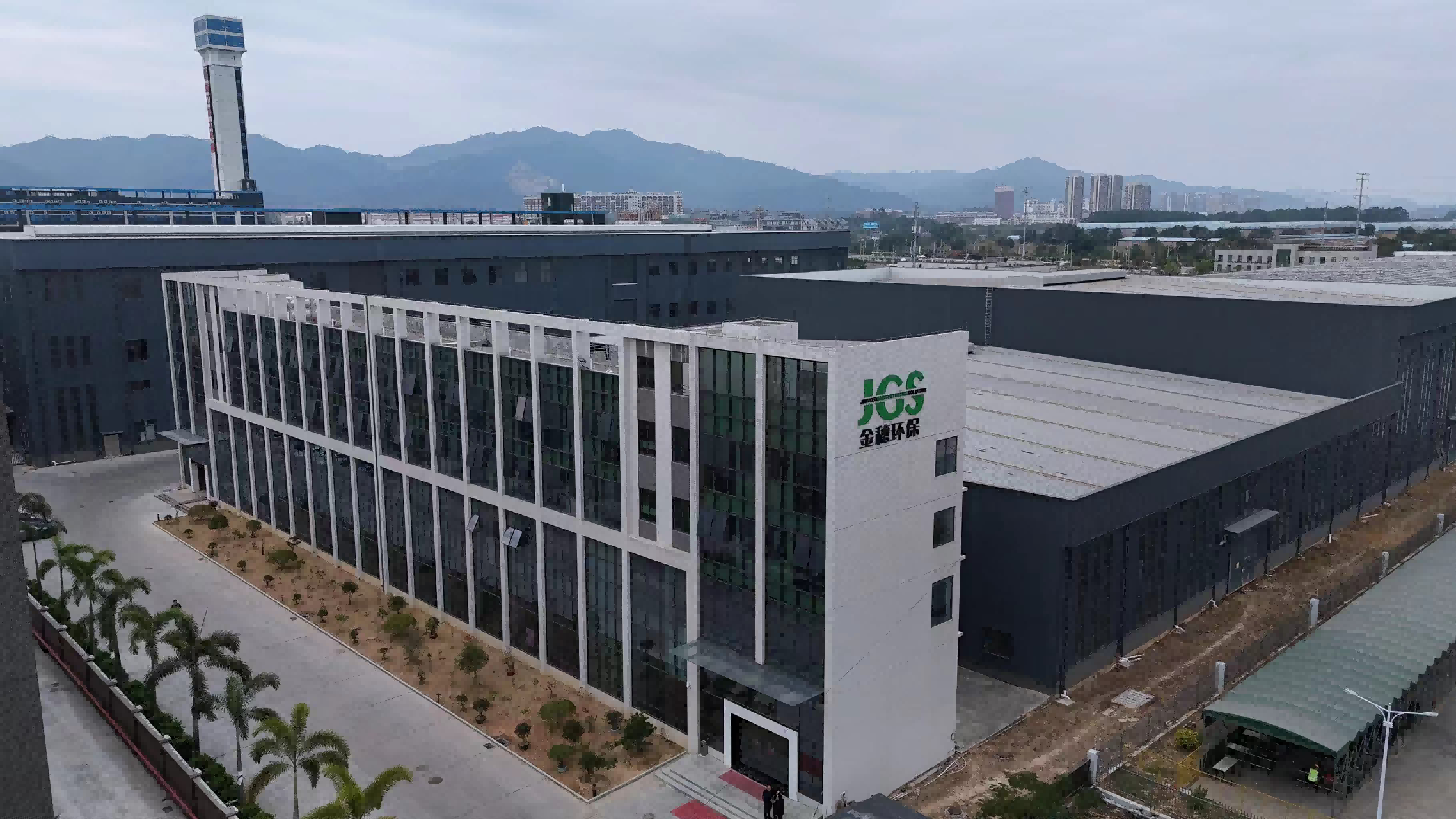

China HDPE Geomembrane Liner: The Ultimate Guide to Quality and Durability
2026-08-05
When it comes to reliable containment solutions, few materials match the performance of HDPE geomembrane liners—but not all are created equal. From waste management to water reservoirs, the integrity of your project hinges on the liner you choose. That’s where JInseed Geosynthetics Solution steps in, redefining what quality and durability mean in China’s competitive landscape. In this guide, we’ll strip away the hype and explore what truly makes an HDPE liner stand the test of time—and why your next project deserves nothing less.
Understanding HDPE Geomembrane Liners: More Than Just a Plastic Sheet
At first glance, an HDPE geomembrane liner might seem like nothing more than a thick, dark plastic tarp. That impression vanishes the moment you handle a sample or watch it being deployed on a containment project. High-density polyethylene is engineered at the molecular level to resist chemical attack, ultraviolet degradation, and stress cracking in ways that ordinary polyethylene films simply cannot match. The density and polymer structure create a material that is flexible yet virtually impermeable, making it a cornerstone of modern environmental protection.
What truly sets these liners apart is how they interact with the substances they contain. Unlike a simple plastic sheet that can leach additives or break down under prolonged exposure, HDPE geomembranes are formulated to remain inert when in contact with aggressive leachates, acids, or hydrocarbons. Their longevity in buried applications—often decades with negligible loss of integrity—comes from a careful balance of carbon black stabilization, antioxidant packages, and thickness consistency. From mining heap leach pads to potable water reservoirs, the requirements go far beyond basic containment; the liner becomes a long-term barrier that must perform without maintenance in some of the most demanding environments on earth.
Why Chinese Manufacturing Leads in Geomembrane Quality
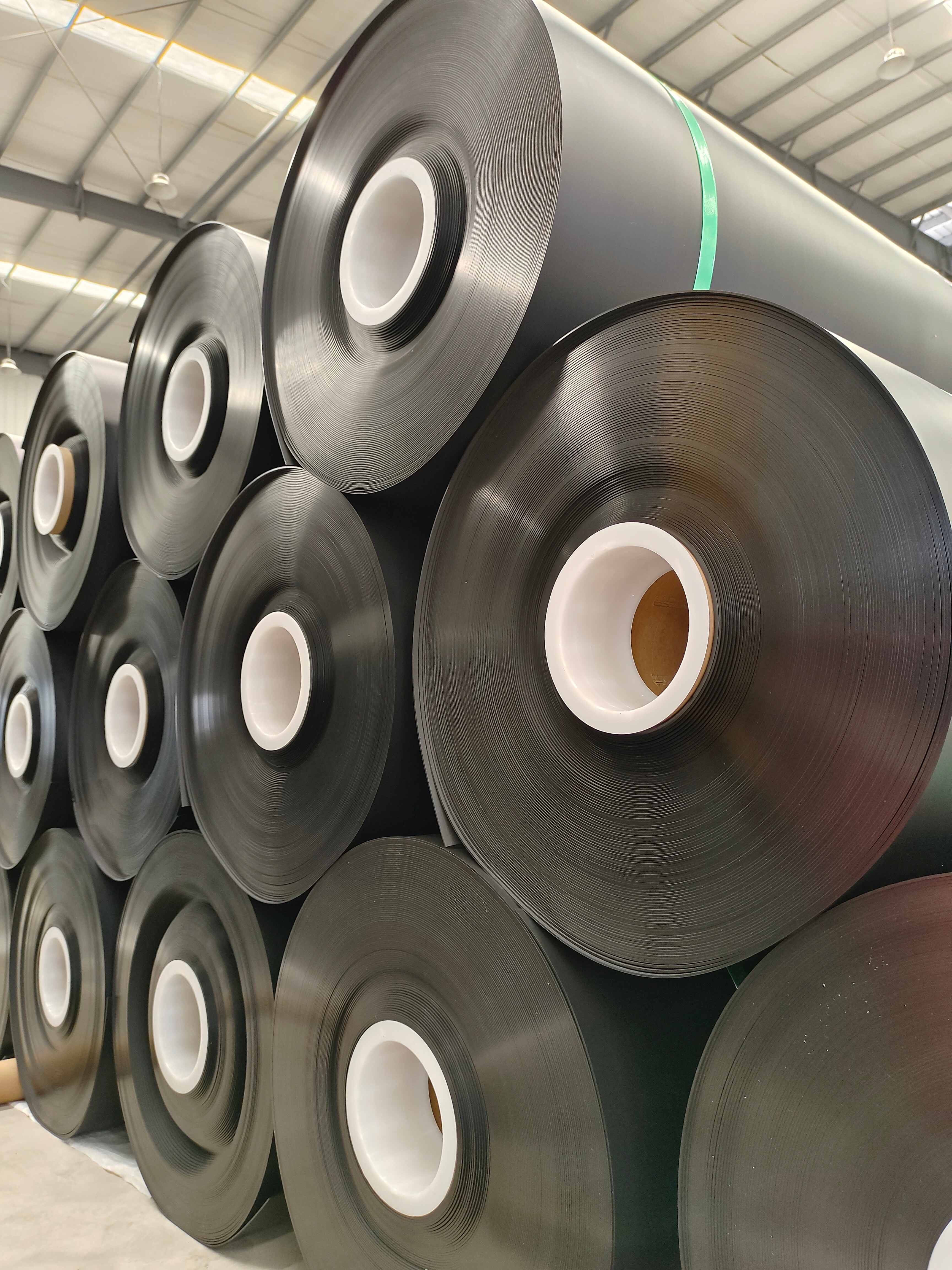
China’s dominance in geomembrane production stems from decades of specialized material science advancements. Local manufacturers have honed proprietary resin formulations that strike an optimal balance between flexibility and tensile strength, often surpassing international benchmarks. This technical expertise is reinforced by massive state-backed research initiatives that continuously refine polymer blends for extended UV resistance and chemical stability, resulting in liners that outperform in demanding environments from mining leach pads to aquaculture ponds.
The integration of smart factory systems has transformed production consistency. Chinese plants utilize real-time monitoring and automated thickness controls that minimize human error, ensuring each roll meets sub-millimeter precision. This industrial discipline, combined with vertically integrated supply chains—from premium-grade polyethylene sourcing to on-site testing labs—allows rapid throughput without sacrificing the rigorous quality checks that field engineers have come to rely on.
Beyond machinery, a culture of relentless field validation sets these manufacturers apart. Feedback loops from large-scale infrastructure projects across Southeast Asia, Africa, and South America drive iterative improvements, while aggressive investment in accelerated weathering chambers simulates decades of service in weeks. The result is a product ecosystem where quality is not an afterthought but woven into every phase, from pellet to installation, giving global contractors a level of assurance that few other markets can match.
Key Factors That Determine Liner Durability in Extreme Environments
When liners face punishing conditions—extreme heat, corrosive chemicals, or constant abrasion—their survival hinges on more than just thickness. Material chemistry is the real linchpin. For instance, high-performance polymers like PTFE or PEEK handle aggressive fluids without breaking a sweat, whereas ordinary plastics might crack within days. But it’s not just about picking a tough material; how it’s bonded or formed matters just as much. A seamless rotational lining, where the material fuses directly to the substrate, eliminates weak points that could become failure initiation sites. In environments where temperature swings wildly, this intimate bond is what keeps delamination at bay.
Surface preparation prior to lining application often gets overlooked, yet it’s a silent decider of longevity. Abrasive blasting to create a sharp, clean profile gives the liner something to hold onto, like teeth gripping a rope. Without it, even the best polymer will peel away under thermal cycling or chemical attack. Additionally, the right choice of primer or adhesive can bridge the gap between the liner and the base material, preventing moisture ingress that leads to underfilm corrosion. In buried pipelines or storage tanks, where ground movements add constant stress, this layer of defence is what separates a 20-year service life from an early, messy failure.
Operational conditions also write the final chapter in a liner’s story. It’s one thing to handle a steady-state acid at room temperature; it’s another to face sudden pressure spikes or abrasive slurry at 200°C. Designers must account for real-world abuse, not just ideal lab data. Incorporating a safety margin in wall thickness for wear, or choosing a flexible formulation that can absorb shock without cracking, can be the difference. Field evidence often shows that liners not engineered for actual operational variability crumble long before their predicted service life. The true test is how the material performs when the unexpected happens, because in extreme environments, surprises are routine.
Installation Best Practices: Ensuring Long-Term Performance
Getting the installation right from the start makes all the difference in how your equipment holds up over years of service. Rushing through setup or skipping small alignment checks often leads to premature wear and unexpected downtime. Take the time to double‑check leveling and secure all fasteners to the manufacturer’s specified torque values — these simple habits pay off far more than most people realize.
Environmental factors can quietly undermine even the most careful installation if they’re overlooked early on. Evaluate the actual conditions where the unit will operate: temperature swings, humidity, vibration from nearby machinery, and exposure to dust or chemicals all deserve attention. Using appropriate mounting hardware, protective conduits, and vibration‑damping pads where needed helps shield critical components from slow degradation that no amount of maintenance can fully reverse later.
Finally, think beyond the initial install and lay a foundation for easy upkeep. Route cables and service points so they’re accessible without dismantling half the setup. Leaving clear labeling and a brief commissioning record behind not only helps your team stay efficient but drastically cuts troubleshooting time when something does go off track months or years down the road.
Comparing HDPE with Other Geomembrane Materials: When to Choose What
High-density polyethylene (HDPE) has earned its reputation as the workhorse of containment applications, but it doesn't fit every scenario. Its crystalline structure gives it excellent chemical resistance and a low permeability that outperforms flexible polypropylene (fPP) when dealing with aggressive leachates or hydrocarbon exposure. Yet that same stiffness can become a drawback on uneven subgrades where a more conformable material like linear low-density polyethylene (LLDPE) or ethylene propylene diene monomer (EPDM) would lay flatter with less bridging. The real choice starts with understanding the mechanical demands of the site and the chemical cocktail the liner will face.
LLDPE shines where elongation and multiaxial strain matter most, such as landfill caps or pond liners built over soft, settling soils. Its ability to stretch without stress cracking gives it an edge over HDPE in these dynamic environments, though it trades off some long-term durability against ultraviolet exposure. PVC, often chosen for decorative ponds and smaller landscaping features, competes on upfront cost but falls short in lifespan and chemical robustness—plasticizer migration alone can lead to embrittlement within a decade. For temporary installations or low-risk water features, PVC makes sense, but for hazardous waste containment, nothing beats the chemical barrier properties of HDPE.
Thermal conditions also tilt the balance. HDPE's higher thermal expansion coefficient compared to LLDPE demands careful design of anchor trenches and slack, especially in regions with extreme temperature swings. Meanwhile, reinforced materials like CSPE-R (Chlorosulfonated polyethylene reinforced) or EPDM offer advantages in applications where puncture resistance from above is critical, such as under riprap or heavy traffic. Ultimately, the decision matrix weighs four factors: chemical compatibility, subgrade stability, tensile requirements, and installation environment. Relying on a single parameter almost guarantees a mismatch, and the best specifiers treat material selection as an interdisciplinary exercise rather than a simple checklist.
Real-World Applications: From Landfills to Aquaculture
Transforming waste into a resource has moved beyond theory, finding footholds in some of the most neglected corners of our infrastructure. At landfill sites, methane capture systems now do more than just flare gas—they feed it into pipelines that power local communities, while nutrient-rich leachate is treated and redirected to irrigate energy crops. It’s a quiet kind of alchemy, turning a liability into a continuous loop of energy and growth.
Downstream from the dumps, the same thinking ripples into aquaculture. Fish farms are notorious for generating concentrated organic waste, but integrated multi-trophic systems flip that narrative. By pairing finfish with shellfish and seaweed, farmers create miniature ecosystems where one species’ effluent becomes another’s feedstock. The water stays cleaner, the yields diversify, and the operation edges closer to a self-sustaining rhythm that traditional monoculture can’t match.
Then there are the unlikely symbioses bridging these worlds. In a handful of pilot projects, landfill gas is being used to heat water for tilapia hatcheries, while carbon dioxide from the biogas generators gets bubbled into algae ponds that later feed the fish. It’s not neat or tidy, but it works—a messy, practical marriage of mismatched industries that hints at how circular economy principles might actually look on the ground.
FAQ
It's a high-density polyethylene sheet designed to block liquids and gases, commonly installed in landfills, mining ponds, canals, and wastewater treatment facilities. Its flexibility and chemical resistance make it a go-to barrier in environmental containment projects worldwide.
Chinese manufacturers have invested heavily in advanced production lines and rigorous testing, so you often get equivalent performance to Western brands at a much more competitive price. Many factories also hold ISO and GRI-GM13 certifications, which gives engineers peace of mind.
Besides checking for smooth, uniform surface and consistent thickness, insist on full traceability of raw resin and ask for third-party test reports on tensile strength, elongation, and carbon black dispersion. Reputable suppliers won't hesitate to share these upfront.
When formulated with the right UV stabilizers and antioxidants, these liners can withstand decades of sun, freeze-thaw cycles, and chemical attack. I've seen installations in arid deserts and on high-altitude plateaus where properly selected Chinese liners performed without brittle failure after 15+ years.
Poor subgrade preparation and rushing the welding process are the biggest culprits. Even the best liner will leak if it's laid over sharp rocks without cushioning or if seams aren't tested properly. Taking time to train the installation crew pays off hugely.
Textured liners offer higher friction, which is critical on slopes to prevent slippage of cover soil, while smooth liners are easier to weld and clean. Chinese factories can produce both with high shear strength on the textured side—just confirm they don't sacrifice core thickness to achieve the pattern.
Ask for accelerated aging test data, like oven aging at 85°C for 90 days, which simulates years of service. Also, request immersion tests in the actual chemicals the liner will contact. A trustworthy Chinese supplier will have a database of such test results from independent labs.
Logistics and import duties are obvious, but also factor in potential delays if your supplier doesn't have a reliable export track record. It's smart to budget for factory visits or third-party inspections during production to avoid costly surprises during shipment.
Conclusion
When it comes to reliable containment solutions, China HDPE geomembrane liners have redefined what durability really means. These are far more than ordinary plastic sheets—they are engineered barriers that combine high-density polyethylene's natural chemical resistance with advanced manufacturing techniques. Chinese production has earned a strong reputation by integrating rigorous quality controls and cutting-edge co-extrusion technology, resulting in liners that consistently outperform international standards. The secret to long-term performance in extreme environments lies in understanding the interplay of stress crack resistance, UV stabilization, and thickness uniformity. Whether facing aggressive leachate in landfills or fluctuating temperatures in mining ponds, the liner's ability to withstand oxidative degradation and mechanical puncture is what sets premium Chinese products apart. It's not just about material science; it's about a production culture that respects precision and adapts to project-specific demands without compromising on longevity.
Proper installation is where the true value of a geomembrane liner comes to life, and this guide emphasizes practices that can make or break a project. From subgrade preparation to wedge welding, every step matters in sealing the system against leaks for decades. Comparing HDPE with other materials like LLDPE, PVC, or EPDM reveals that while each has its niche, HDPE often emerges as the most cost-effective choice for projects requiring exceptional chemical resistance and structural integrity. Real-world applications span from landfill caps and leachate ponds to aquaculture farms and floating covers, proving the versatility of Chinese-made liners. The evolving landscape of containment engineering is a testament to how Chinese manufacturing has matured, combining competitive pricing with technical expertise that directly supports successful environmental and industrial projects worldwide. This isn't just a product—it's a strategic asset for engineers who refuse to compromise on quality.
Contact Us
Contact Person: Jerry Qiu
Email: [email protected]
Tel/WhatsApp: +65 84265294
Website: https://www.jinseed-geo.com