

Chemical Soil Stabiliser: A Practical Guide to Strengthening Weak Ground for Lasting Infrastructure
2026-07-06
Weak ground is a silent threat to infrastructure, but it doesn’t have to be a dealbreaker. Chemical soil stabilisation has evolved into a practical, cost-effective solution for turning unstable earth into a reliable foundation. This guide unpacks the essentials, from selecting the right binders to field application, giving you a clear path to durable results. At MST, we’ve seen firsthand how the right approach can shorten project timelines and cut long-term maintenance costs—without cutting corners. Whether you’re tackling soft clays or loose sands, understanding the chemistry behind stabilisation unlocks lasting infrastructure. Let’s dig into what works, what doesn’t, and why this method is gaining ground fast.
Turning Dust into Stone: The Core Principle
At its heart, the process hinges on a surprisingly simple yet powerful idea: forcing loose, fine particles to bond tightly together under just the right conditions. Think of it like baking—raw flour is just dust, but mix it with water and heat, and you get a solid cake. Here, the “dust” could be anything from volcanic ash to industrial byproducts, and the magic is in choosing the right binder and activation method to trigger that transformation at a molecular level.
What makes this principle so compelling is its versatility. By tweaking variables like pressure, temperature, or the chemical makeup of the binding agent, you can steer the final properties of the stone—its hardness, porosity, even its color. It's not about following a single recipe; it's about understanding the invisible dance between particle surfaces and how they lock into place. Done right, you can tailor a material that rivals natural rock, but with a fraction of the time and energy that geology demands.
Where it gets really interesting is in the real-world applications. Instead of viewing waste dust as a problem to be buried, this principle lets us see it as a raw ingredient waiting for a second life. Roads, bricks, artificial reefs—they all become possible when you master the art of aggregation. The core challenge isn't the science itself, but rather scaling it up elegantly, ensuring every grain finds its place in a durable, stable matrix that stands up to the elements.
When Weak Ground Meets Chemistry
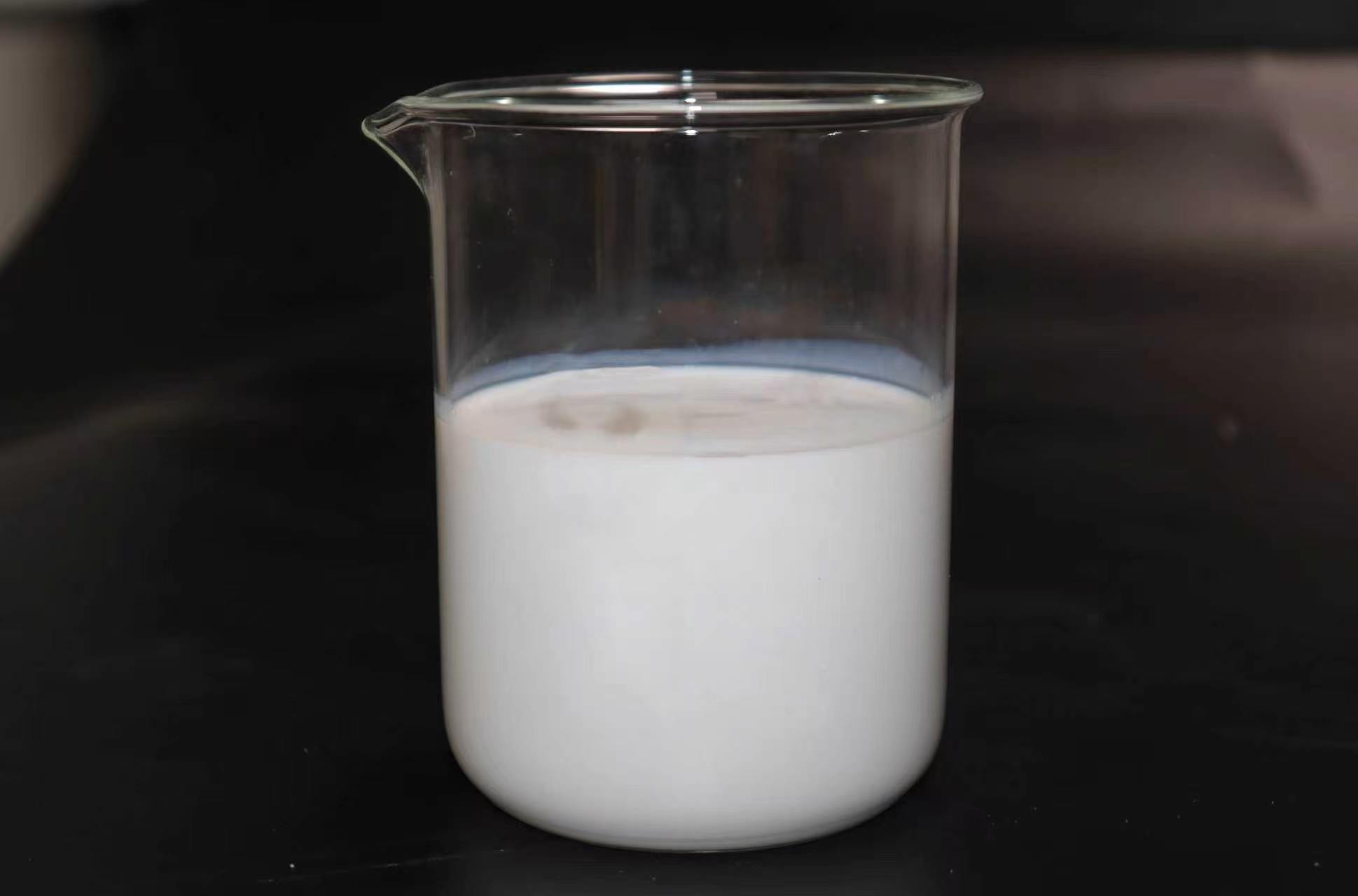
Soft, unstable soils have long frustrated engineers and builders. From shifting clays to loose sands, weak ground can undermine even the most carefully planned structures. But when chemistry enters the picture, the rules change. Chemical stabilization transforms fragile earth into solid, reliable foundations. It’s not simply about mixing in binders—it’s a careful orchestration of reactions that alter the very nature of the soil. Ions swap places, particles bind together, and what was once a liability becomes a load-bearing asset. This fusion of geology and chemistry is reshaping how we build on difficult terrain.
At the heart of this process are materials like lime, cement, and specialized polymers. Lime, for instance, triggers a cation exchange that reduces the soil’s affinity for water, drastically cutting its plasticity. Cement goes further, forming a matrix that locks particles into a hardened mass. But the real magic happens at the microscopic level. Silica and alumina dissolved from the soil react with calcium to create cementitious compounds that grow like roots through the ground. Each recipe is tailored to the specific mineral makeup of the site. Too much of one additive and the ground becomes brittle; too little and it stays weak. Getting the balance right demands both field experience and a deep grasp of the underlying chemistry.
What makes this approach so compelling is its adaptability. In wet, marshy areas, quicklime can dry out the soil while also strengthening it. In sandy zones prone to erosion, polymer grouts permeate the voids, turning loose grains into a cohesive mass. Even contaminated soils can sometimes be treated, binding heavy metals into insoluble forms as the ground firms up. It’s a quieter, more surgical alternative to massive excavation and replacement. As urban spaces grow more crowded and we push into marginal lands, the synergy of weak ground and chemistry will only become more vital. The planet’s tough spots aren’t going away, but with the right chemical tools, they don’t have to hold us back.
Choosing the Right Binder for Your Soil Type
Soil isn't just dirt—it's a living, breathing foundation that demands the right partner to hold it together. Sandy soils, with their loose, gritty texture, crave binders that can fill the gaps between large particles. A synthetic polymer or calcium-based stabilizer works wonders here, locking in moisture and creating a firm matrix that resists wind and water erosion. You'll notice the difference when your pathway or embankment stays put even after a heavy downpour. The key is to avoid binders that rely on cohesion alone; sand simply won't bond without something to bridge those microscopic voids.
Clay-rich soils are a different beast entirely. They're dense, often waterlogged, and prone to swelling. Here, you need a binder that promotes drainage and reduces plasticity—think lime or cement blends. These additives trigger a chemical reaction that transforms sticky clay into a workable, stable base. The result is a surface that doesn't crack under pressure or turn into a quagmire when wet. It's a balancing act: too little binder and the soil remains unruly, too much and you risk making it brittle. Observation is your best tool; test a small patch first to see how the soil responds before committing to the entire area.
For silty or loamy soils, which sit in the middle ground, versatility is the name of the game. These soils are often the easiest to work with, but they still benefit from a tailored approach. Organic binders like lignin or plant-based resins enhance structure without disrupting natural permeability. They create a resilient yet breathable bond, perfect for garden paths or erosion-prone slopes. Watch how the mixture holds together when compressed—it should form a ball that crumbles with a light poke. That's your sweet spot: enough binder to stabilise, but not so much that it smothers the soil's innate vitality.
From Mixing to Curing: A Step-by-Step Breakdown
The journey begins with precise mixing, where raw ingredients like cement, aggregates, and water are combined. I’ve learned that the order of adding materials can dramatically affect the workability of the mix, so I always start with a portion of the water before introducing the dry components. This helps prevent clumping and ensures the cement coats every grain of aggregate evenly. In my experience, using a consistent mixing time—usually about three to five minutes with a mechanical mixer—creates a homogenous blend that’s free from dry pockets or excess water bleed.
Once mixed, the fresh concrete must be handled promptly to preserve its plasticity. Transporting it to the formwork requires careful planning to avoid delays; I’ve seen how even a short pause can cause the mixture to stiffen, making it harder to compact and finish later. During placement, I avoid dumping the concrete from excessive heights to prevent segregation, where larger stones sink to the bottom. Instead, I direct the flow gently into corners and around reinforcement bars, using vibrators to eliminate air voids without overworking the material.
Curing is the final and often underestimated step that directly influences the concrete’s long-term strength. I maintain a moist environment on the surface for at least seven days after placement, either through water spraying, wet burlap coverings, or curing compounds. This slow hydration process allows the cement particles to bond thoroughly, minimising shrinkage cracks and boosting durability. Rushing through curing has taught me that even the best mix design can fail if the surface dries out too quickly, so patience here isn’t optional—it’s essential.
Real-World Wins: Projects That Defied Soft Ground
Construction on soft, yielding ground has always been a gamble—until certain teams changed the rules entirely. Across coastal cities and river deltas, engineers have pulled off what once seemed impossible: erecting stable, long-lasting structures on soils that barely hold their own weight. These aren't paper exercises; they're fully operational projects that have endured settlement, liquefaction, and the relentless pressure of urban development, proving that with the right mix of innovation and guts, no ground is truly hopeless.
Take the Kansai International Airport, built on a man-made island in Osaka Bay where the seabed consisted of 20 meters of soft Holocene clay. Instead of giving in to the muck, the team employed a massive sand drain and surcharge program, squeezing out water over decades and pre-loading the soil so precisely that settlement fell within a few centimeters of predictions. The airport now handles millions of passengers a year, its runways level and its terminals crack-free—a direct rebuke to skeptics who said it'd be swallowed by the sea.
A different approach shone in the construction of the Marmaray rail tunnel under Istanbul's Bosphorus Strait, threading through deep, unconsolidated silts and the ever-present threat of seismic activity. Immersed tube sections were lowered into a trench and backfilled, their flexibility turning the soft ground from an enemy into a shock absorber. Today, trains glide between continents with no more fuss than a subway ride, a quiet testament to the fact that when developers stop fighting the earth and start working with it, even the trickiest sites can become tomorrow's landmarks.
Cost, Carbon, and Performance: Weighing the Benefits
Balancing cost, carbon footprint, and performance is a multifaceted challenge that businesses increasingly face in their operations. While low-carbon materials and processes often carry a premium upfront, they can yield substantial long-term savings through energy efficiency, waste reduction, and regulatory incentives. For instance, adopting renewable energy sources might raise initial capital expenditures but significantly lowers operational costs over time. This shift also mitigates exposure to volatile fossil fuel prices, granting more predictable budgeting. On the performance side, sustainable choices can sometimes enhance product durability or brand reputation, indirectly driving revenue. The key lies in comprehensive lifecycle analysis—evaluating not just the purchase price, but the total cost of ownership, environmental impact, and the performance gains that come with greener alternatives.
Decisions become even more nuanced when immediate performance metrics, such as speed or power, seem to conflict with environmental goals. However, modern innovations frequently reconcile these apparent trade-offs. Lightweight materials in transport, for example, reduce fuel consumption without compromising safety or strength, lowering both costs and emissions. In computing, optimized algorithms can slash energy use while accelerating processing speeds. Companies that invest in research and development to integrate these synergies often find that carbon reduction and performance improvement go hand in hand. It’s not about sacrificing one for another, but about rethinking systems to unlock co-benefits. This approach demands a willingness to look beyond conventional benchmarks and embrace a broader definition of performance that includes resilience and long-term viability.
Ultimately, weighing these benefits requires a strategic vision that aligns financial, environmental, and operational goals. Organizations can frame decisions around shared value: how a choice reduces carbon while strengthening competitive advantage. Transparent measurement and communication of trade-offs—using tools like carbon pricing or marginal abatement cost curves—help stakeholders understand the rationale behind investments. When cost, carbon, and performance are evaluated concurrently rather than in silos, it becomes possible to identify solutions that are not just compromises, but true optimizations. This integrated thinking transforms sustainability from a burden into a driver of innovation and efficiency, proving that what’s good for the planet can also be good for the bottom line.
FAQ
Essentially, it's a substance mixed into the soil to alter its physical and chemical properties, making it more robust. Common agents include lime, cement, or proprietary polymers that trigger reactions like cation exchange, pozzolanic reactions, or polymer bonding. These reactions reduce water absorption, increase compaction, and bind particles together, transforming loose, weak soil into a solid, durable mass suitable for construction.
Chemical stabilisation shines when the soil is too wet, highly plastic, or simply doesn't respond well to compaction alone. It’s ideal for projects with tight timelines because the reactions can expedite curing. If you're dealing with expansive clays or silty materials that shift with moisture changes, adding a stabiliser can permanently modify the soil's structure rather than just temporarily compacting it.
Highly expansive clays, soft silts, and certain organic soils see the most dramatic improvement. For instance, lime is particularly effective on plastic clays, reducing their stickiness and swell potential. Cement works well with a broader range, including granular soils. Polymers can be tailored for erosion-prone sands or even contaminated ground where traditional binders might fail.
It starts with thorough soil testing to determine the right additive and dosage. Then, the soil is typically scarified or loosened to a specified depth. The stabiliser is spread in powder or slurry form, thoroughly mixed using a grader or rotary mixer, and then compacted to the required density. Moisture control is critical during mixing, and the treated layer must be cured – often under damp conditions – to allow the chemical reactions to reach full strength before traffic or paving.
That depends heavily on the material choice. Traditional options like cement have a higher carbon footprint, though using them can slash transportation needs and material import. Greener alternatives like geopolymers or bio-based stabilisers are emerging, offering comparable strength with much lower emissions. Also, stabilising in-place avoids the disruption of bringing in thousands of truckloads of aggregate, which is a quiet bonus for local communities and ecosystems.
Absolutely. By creating a uniform, low-permeability layer, it prevents water ingress that causes potholes, heaving, and settlement cycles. Treated subgrades better distribute loads, reducing stress on upper layers. This means fewer regenerations and pothole repairs over the asset's life. Many agencies report a 20–30% reduction in life-cycle costs compared to conventional granular bases.
Underestimating soil variability is a big one—unless you test every 100 meters, you might get pockets of untreated material. Inadequate mixing depth or time can leave weak spots. Adding too little or too much moisture during compaction is another classic error; too dry and the reaction stalls, too wet and you can't achieve density. Finally, not protecting the cured layer from rain or traffic too early can wreck weeks of work.
Yes, but it requires adjustments. In cold conditions, you may need to use accelerators or choose additives that set faster. Waterlogged sites often require pre-drainage and may benefit from quicklime, which dries the soil as it reacts. However, working under truly freezing temperatures is generally avoided because the hydration reactions slow down dramatically and ice lenses can form, ruining the finished layer.
Conclusion
Chemical soil stabilization transforms weak, problematic soils into durable construction platforms, essentially turning dust into stone. This process relies on adding binders like lime, cement, or innovative polymers to trigger chemical reactions that permanently alter the soil's physical and mechanical properties. When weak ground—whether expansive clay, loose silt, or collapsible sand—meets chemistry, the result is improved strength, reduced plasticity, and better resistance to water. The success of any stabilization effort begins with matching the right binder to the specific soil type; for instance, lime excels with high-plasticity clays through cation exchange and pozzolanic reactions, while Portland cement works broadly across granular soils. Understanding these interactions is the foundation of effective ground improvement.
Practical application involves careful steps: site preparation, binder spreading, mixing (often using reclaimers or rotary mixers), compaction, and then curing—a critical phase where moisture control ensures complete chemical reactions. Real-world wins abound, from highway embankments built on once-marshy land to airport runways on soft subgrades, defying what would otherwise require costly excavation and replacement. When weighing cost, carbon, and performance, these methods often reduce project expenses by cutting material imports and landfill, lower the carbon footprint by avoiding cement-intensive concrete or deep foundations, and deliver long-term reliability. Ultimately, chemical soil stabilization is a sustainable, performance-driven choice for lasting infrastructure.
Contact Us
Contact Person: Helen
Email: [email protected]
Tel/WhatsApp: 86 18630661160
Website: https://www.roadmilestone.com/