

Chemical Polymer Soil Stabilizer: A Comprehensive Guide to Its Applications and Benefits
2026-07-26
Soil stabilization is no longer just about compaction and traditional binders—it's entering a new era with advanced chemical polymer solutions. From dusty haul roads to unstable construction sites, the right stabilizer can mean the difference between constant maintenance and long-term performance. Enter MST’s chemical polymer soil stabilizer, a game-changing approach that not only strengthens the ground but also addresses environmental concerns like erosion and airborne dust. In this guide, we’ll explore how these polymer-based treatments work, where they shine, and why more engineers are turning to them for cost-effective, durable results. Whether you’re dealing with poor subgrade soils or looking to upgrade unpaved surfaces, understanding polymer stabilization could redefine your project’s success.
How Polymer Soil Stabilizers Strengthen the Ground Beneath Our Feet
Beneath our feet, the earth is a dynamic mix of minerals, water, and organic matter, but it often lacks the strength needed for construction, agriculture, or erosion control. Polymer soil stabilizers step in as a transformative solution, binding loose particles into a cohesive, durable matrix. Unlike traditional methods that rely on heavy machinery or extensive aggregate, these liquid or powder additives work at a molecular level, creating long-chain polymers that interlock with soil grains. This chemical hug transforms a crumbly, dusty surface into a firm, load-bearing foundation, mimicking the stability of natural rock formations over time.
The magic lies in the way polymers alter the soil's physical properties without disrupting its natural permeability. When applied, they encapsulate clay, silt, or sand particles, forming a flexible yet tough network that resists cracking under pressure. This is particularly valuable in regions with expansive clays that swell and shrink, leading to foundation damage. By reducing the soil's affinity for water, polymers minimize moisture-related movement, effectively creating a waterproof barrier that stands up to rain and runoff. The result is a stabilized ground that remains resilient through seasons of freeze and thaw, offering a long-lasting alternative to constant regrading or refilling.
Beyond mere support, polymer stabilization champions environmental stewardship by cutting down on quarrying and carbon-heavy cement production. It turns on-site soil into building material, slashing transportation costs and emissions. For unpaved roads, a single application can suppress dust and prevent rutting for years, reducing maintenance cycles. In landscaping, it helps slopes resist erosion while allowing vegetation roots to thrive within the stabilized structure. This blend of chemistry and ecology not only strengthens the ground but also integrates it with the surrounding ecosystem, proving that innovation can be both powerful and gentle on the planet.
From Dust Control to Erosion Prevention: Key Uses in Construction
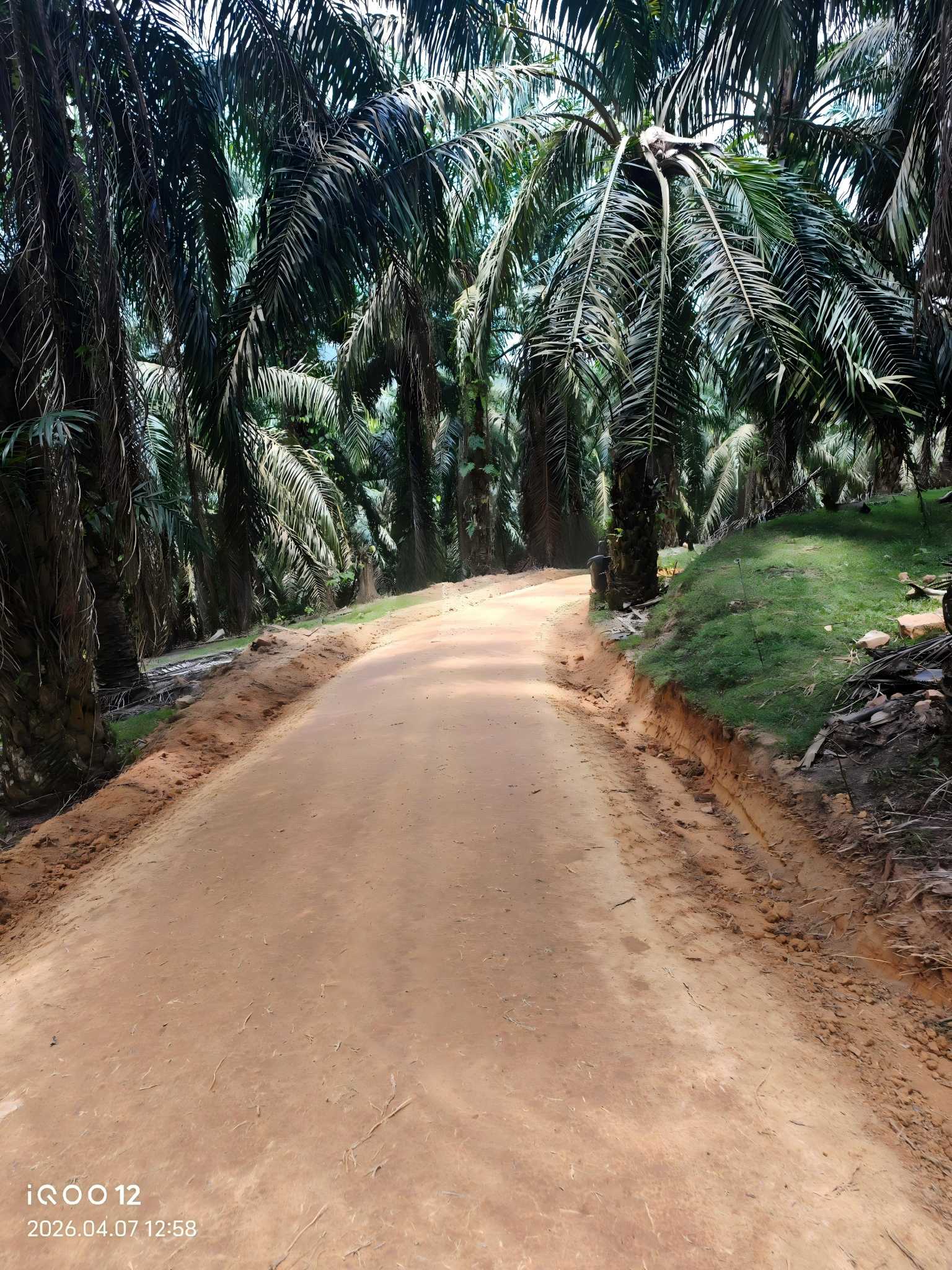
Keeping a construction site under control often starts with tackling airborne dust, which can choke equipment and harm workers. Simple steps like misting water over dirt piles or setting up windbreaks are the first line of defense, reducing immediate hazards without complicated setups.
Beyond airborne concerns, the same strategies shift to hold soil in place once grading begins. Mulching, erosion blankets, or quick-sprouting grasses lock dirt down, steering runoff away from drains and cutting down on sediment that could foul nearby streams.
Many crews blend these approaches, using silt fences and check dams to catch what water carries while keeping a fine spray on haul roads during dry spells. It’s a practical rhythm—first calm the dust, then tame the mud—that keeps the job moving and neighbors happy.
The Environmental Edge: Reducing Carbon Footprint with Chemical Stabilization
In the push toward greener construction, chemical stabilization offers a quiet but powerful way to slash carbon emissions. Traditional methods often demand transporting vast quantities of aggregate and cement, burning fuel every mile and releasing CO2 at the plant. By treating native soils on-site, projects can skip the heavy hauling and curb the need for energy-intensive materials from the start.
The chemistry itself plays a clever role. Stabilizing agents like lime or polymers trigger reactions that lock carbon into the soil matrix or simply require far less energy to produce than cement. Over the lifecycle, a stabilized road or slab resists weathering and erosion, cutting back on repairs and the emissions that come with them—less patching means fewer trucks, less asphalt, and a smaller environmental dent over time.
This isn't just theory; field studies show chemical stabilization can drop a project's carbon footprint by 30 percent or more compared to conventional approaches. For anyone balancing tight budgets with net-zero goals, it turns a routine geotechnical fix into a genuine sustainability move—one that leaves the landscape and the air a little cleaner.
Why Engineers Are Switching to Polymers for Long-Lasting Roads
For years, asphalt and concrete dominated road construction, but engineers are increasingly looking beyond these traditional materials. The shift is driven by a need for surfaces that can handle heavier traffic, extreme weather, and tighter budgets without constant repairs. Polymers—whether added to asphalt or used in composite materials—offer a compelling alternative, improving flexibility, strength, and resistance to cracking from the start.
What makes polymers particularly appealing is their ability to adapt to environmental stresses. Unlike rigid concrete or standard asphalt, polymer-modified binders can stretch under heavy loads and then recover, reducing the formation of potholes and ruts. This resilience means fewer closures for maintenance, which appeals to transportation agencies aiming to minimize disruptions. In colder climates, the same flexibility helps pavements withstand freeze-thaw cycles that typically tear standard roads apart in a few seasons.
There’s also a growing focus on long-term value. Although polymer-enhanced mixes sometimes carry a higher upfront cost, engineers point to extended service life—often doubling or tripling the interval between major overhauls. When you factor in reduced repair frequency, less material waste, and lower traffic delays, the math starts to look very different. As testing continues and application methods improve, more infrastructure projects are turning to polymer solutions not as an experiment, but as a practical standard for roads built to last.
Real-World Success: Projects That Rely on Soil Stabilization
Across the globe, soil stabilization has quietly underpinned some of the most ambitious infrastructure feats. Take the expansion of the Panama Canal, for instance—without treating the notoriously soft, waterlogged clays, the massive locks and wider channels would have been unthinkable. Engineers combined deep soil mixing with cementitious binders to turn the weak foundation into a load-bearing stratum, allowing the canal to handle today’s supersized vessels without settlement issues.
Closer to home, the rehabilitation of brownfield sites has leaned heavily on stabilization techniques. In urban centers like London and Detroit, former industrial zones with contaminated, loose fill have been transformed into residential neighborhoods. By injecting stabilizers that immobilize heavy metals while improving the ground’s strength, developers avoided the cost and carbon footprint of carting away thousands of truckloads of waste. The result was safe, buildable land right where people wanted to live.
Even in remote locations, the impact is tangible. Mining roads in the Australian Outback, subjected to extreme heat and heavy haul trucks, used to degrade within months. Switching to polymer-based stabilization not only locked in the red earth but drastically cut water usage and maintenance cycles. These aren’t just engineering wins—they’re proof that intelligent ground treatment can reshape what we build and where we build it, often saving millions in the process.
The Future of Ground Improvement: Innovations in Polymer Chemistry
Polymer chemistry is quietly reshaping how we approach ground improvement, moving beyond traditional cement and lime methods that have long dominated the field. New formulations are being designed at the molecular level to tackle specific soil challenges—expansive clays, liquefiable sands, or contaminated sites—with greater precision and less environmental burden. The excitement lies in creating binders that not only strengthen the ground but also adapt to it, reacting to moisture, load, or chemical triggers in ways that conventional materials simply cannot.
One notable shift is the rise of bio-inspired polymers that mimic natural processes like biomineralization or the adhesive secretions of marine organisms. These materials can form durable, low-carbon networks within the soil matrix at ambient temperatures, slashing energy use and carbon emissions compared to traditional kiln-fired cements. Researchers are also exploring self-healing capsules embedded in treated ground, which release healing agents when micro-cracks form—a concept borrowed from living tissue that could dramatically extend the life of foundations, embankments, and retaining walls.
Meanwhile, the integration of smart polymers with real-time monitoring systems is opening doors to ground treatment that responds dynamically. Imagine a levee that stiffens when sensors detect rising water pressure, or a road base that adjusts its load-bearing capacity based on traffic vibrations. These responsive materials rely on polymers that change viscosity, volume, or cross-linking density in reaction to specific stimuli. While still in early stages, such innovations signal a future where ground improvement is not a one-time fix but an ongoing, adaptive partnership between chemistry and the earth beneath our feet.
FAQ
It's a liquid or powder additive made from synthetic polymers that binds soil particles together. Once mixed into the ground and activated with water, the polymer chains create a strong, flexible network that locks particles in place, reducing dust and increasing load-bearing capacity.
You'll find them on unpaved roads, construction sites, mining haul roads, and even in agriculture for controlling erosion on slopes. They're also used in military and emergency access routes where rapid soil strengthening is needed.
They're typically lighter to transport, easier to apply, and cure more quickly. Unlike cement, they don't significantly alter soil pH, and they provide flexibility that reduces cracking under thermal expansion or traffic vibration.
Absolutely. By forming a surface crust that's permeable to water but resistant to wind and rain, they prevent fine particles from washing or blowing away. The treated layer often remains intact even under heavy downpours, making them ideal for slope protection.
Most modern formulations are designed to be non-toxic and safe for surrounding vegetation and groundwater. Some are even biodegradable over time. Always check the product's environmental data sheet, but in general, they're considered a low-impact alternative to petroleum-based dust suppressants.
Depending on traffic volume and weather, a single application can last from several months to over a year. High-quality treatments on low-traffic roads have been known to remain effective for two years or more before reapplication is needed.
Yes, there are consumer-grade formulations available for stabilizing paths, reducing dust in gravel driveways, or controlling erosion on garden slopes. They're generally easy to apply with a garden sprayer and hose, making them accessible for homeowners.
Conclusion
Chemical polymer soil stabilizers are reshaping how we approach ground improvement, offering a blend of strength and sustainability that traditional methods struggle to match. By forming a durable matrix within the soil, they dramatically enhance load-bearing capacity while reducing permeability, making them ideal for everything from highway subgrades to foundation support. These polymers work at a molecular level, binding particles together to create a cohesive, stabilized layer that resists deformation and weathering. In construction, their ability to suppress dust and prevent erosion on exposed sites keeps projects compliant with environmental regulations and protects surrounding ecosystems. Beyond mere performance, the environmental advantages are compelling—polymer stabilization often requires less material and energy than cement or lime alternatives, shrinking the carbon footprint of infrastructure projects. Engineers are increasingly turning to these solutions because roads built with polymers last longer and demand fewer repairs, translating to lower lifecycle costs and less disruption.
Real-world applications speak volumes: from unpaved rural roads transformed into all-weather arteries to industrial yards that withstand heavy loads without rutting, polymer soil stabilization has proven its worth across countless projects. Airfield runways, mining haul roads, and wind farm access tracks all benefit from the quick curing and minimal maintenance that polymers provide. Looking ahead, innovations in polymer chemistry promise even smarter materials—think self-healing stabilizers, bio-based polymers from renewable sources, and chemistries tailored to specific soil types. This evolution is turning ground improvement into a precise science, where the right polymer application can unlock the full potential of native soils. The result is a quieter, more efficient construction process that leaves behind infrastructure built to endure, harmonizing human engineering with natural ground conditions in a way that feels almost inevitable.
Contact Us
Contact Person: Helen
Email: [email protected]
Tel/WhatsApp: 86 18630661160
Website: https://www.roadmilestone.com/