

Best Solar Tracking Mounting System Manufacturers for Maximum Energy Efficiency
2026-01-17
In the quest for sustainable energy, choosing the right solar tracking mounting system can make all the difference in maximizing efficiency and output. As interest in solar power grows, knowing the top manufacturers can help you make informed decisions for your projects. At Energet Solar, we're passionate about innovation and quality in renewable technology. This blog will explore the leading manufacturers in the industry, offering insights and expert tips to boost your energy production. Stay tuned to discover how these systems can transform your solar setup and keep you ahead in the green energy game!
Introduction to Efficient Solar Tracking Mounting Systems
Efficient solar tracking mounting systems are designed to optimize energy capture by adjusting the position of solar panels to follow the sun's path throughout the day. Unlike fixed mounts that remain stationary, these dynamic systems can increase energy output by up to 25-30% by ensuring panels are always oriented toward the sun. This technology not only enhances the performance of solar installations but also contributes to faster returns on investment by maximizing electricity generation during peak hours.
Modern tracking systems incorporate advanced sensors and control mechanisms that enable precise movement with minimal energy consumption. For instance, single-axis trackers rotate panels from east to west, while dual-axis systems adjust both horizontally and vertically to account for seasonal variations in the sun's angle. By leveraging smart algorithms, these mounts can adapt to weather conditions, reducing wear and tear and improving overall durability. This adaptability makes them ideal for regions with fluctuating sunlight, where every extra kilowatt-hour counts toward sustainability goals.
The integration of efficient solar tracking mounts into large-scale projects, such as utility farms or commercial rooftops, highlights their role in pushing the boundaries of renewable energy. Innovations like lightweight materials and modular designs have lowered installation costs, while improved reliability ensures long-term operation with minimal maintenance. As solar technology evolves, tracking systems continue to set new benchmarks for efficiency, helping communities and industries harness more clean energy from the same footprint.
Top-Rated Manufacturers Leading the Industry
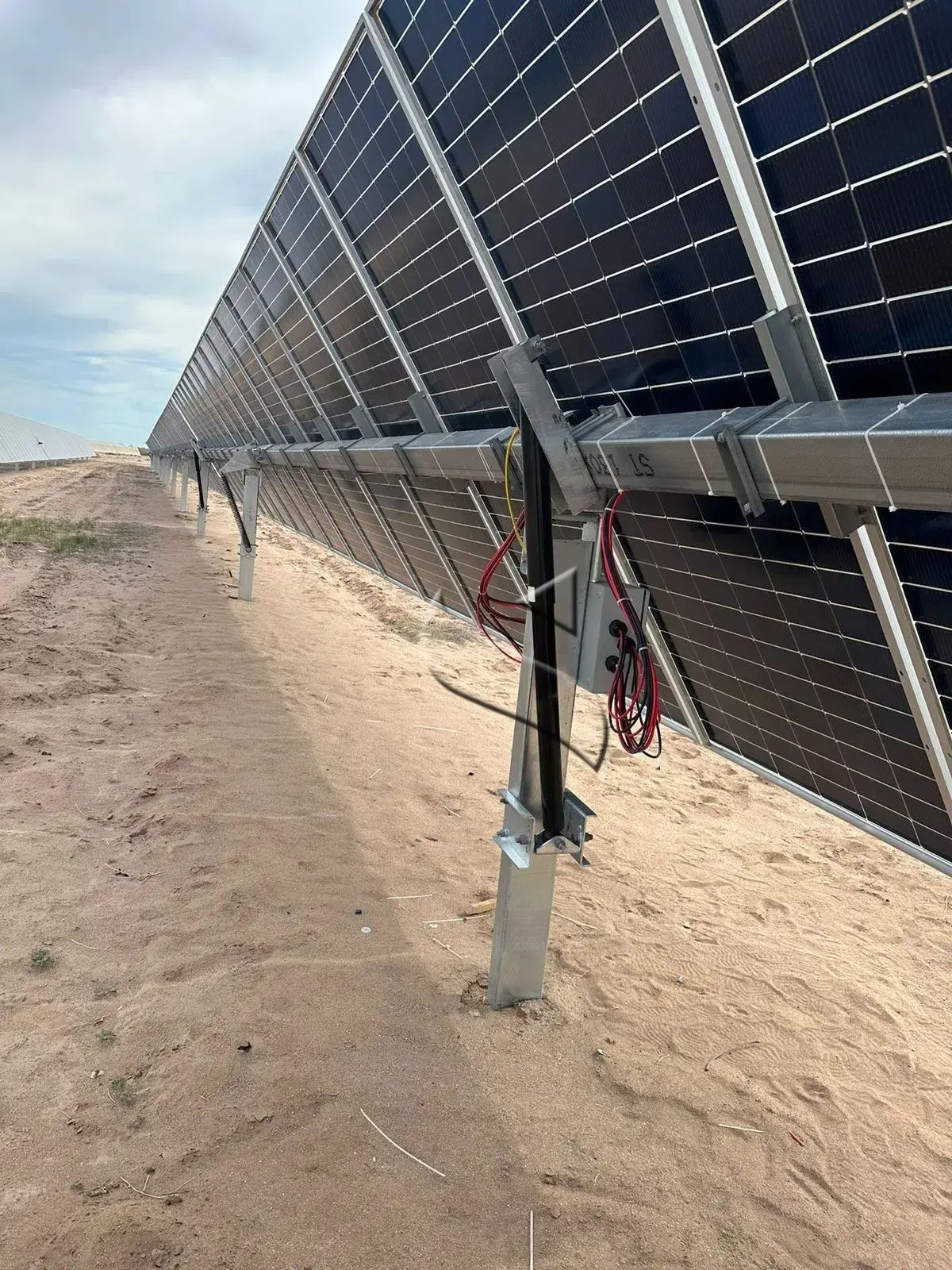
In today's competitive market, top-rated manufacturers stand out through a blend of innovation and unwavering dedication to quality. These companies don't just produce goods; they craft solutions, often pioneering advancements that redefine industry standards. By investing heavily in research and development, they consistently introduce cutting-edge technologies that enhance efficiency and performance. Their reputation is built not only on superior products but also on rigorous testing processes and a commitment to sustainability, ensuring they meet the evolving needs of both clients and global regulations.
What truly sets these leaders apart is their customer-centric approach, which goes beyond mere transactions. They engage deeply with user feedback, using insights to refine designs and improve functionality, fostering long-term loyalty. Many have cultivated robust supply chains and agile production methods, allowing them to adapt quickly to market shifts without compromising on reliability. This adaptability, coupled with a visionary leadership, enables them to navigate challenges like economic fluctuations and supply disruptions, maintaining their status as trusted partners in diverse sectors.
Looking ahead, these manufacturers continue to shape the future by embracing trends such as automation and digital integration, which streamline operations and enhance product precision. Their influence extends globally, setting benchmarks that inspire others to elevate their practices. By consistently delivering excellence and driving progress, they not only lead the industry but also contribute to broader economic growth and innovation, proving that quality and forward-thinking are the cornerstones of lasting success.
Innovative Designs for Enhanced Sunlight Capture
Harnessing sunlight more effectively has become a cornerstone of sustainable energy solutions, driving a wave of innovative designs that go beyond traditional solar panels. These advancements focus on increasing light absorption and conversion efficiency, even under suboptimal conditions like cloudy skies or low-light environments. For instance, bifacial solar modules capture sunlight from both sides, utilizing reflected light from the ground or surrounding surfaces to boost energy yield by up to 30% compared to conventional setups. Similarly, solar tracking systems, which adjust panel angles to follow the sun's path throughout the day, can enhance energy output by as much as 25-35%, making them a game-changer for large-scale installations in regions with variable daylight.
In addition to mechanical improvements, material science plays a pivotal role in pushing the boundaries of sunlight capture. Innovations like perovskite solar cells offer a lightweight, flexible alternative to silicon-based panels, with the potential for higher efficiency rates and lower production costs. These cells can be integrated into building materials, such as solar windows or roofing shingles, seamlessly blending energy generation with architectural aesthetics. Moreover, quantum dot technology enhances light absorption by tuning materials to specific wavelengths, allowing panels to capture a broader spectrum of sunlight, including infrared and ultraviolet rays that are typically wasted. This approach not only maximizes energy harvest but also opens doors for applications in diverse settings, from urban landscapes to remote off-grid communities.
Looking ahead, synergies between digital technologies and solar design are set to redefine how we optimize sunlight capture. Smart systems equipped with IoT sensors can monitor real-time weather patterns and adjust energy storage or distribution accordingly, minimizing losses due to shading or dirt accumulation. Coupled with AI-driven predictive analytics, these setups can forecast energy production and automate maintenance, ensuring sustained performance over time. By combining cutting-edge engineering with adaptive strategies, these innovative designs not only elevate efficiency but also make solar energy more accessible and resilient, paving the way for a brighter, greener future.
Durability and Performance in Diverse Environments
In today's fast-paced world, products and systems must excel not just under ideal conditions but across a wide range of challenging settings. Durability and performance in diverse environments are critical factors that determine long-term success, ensuring reliability whether faced with extreme temperatures, harsh weather, or high-stress usage. This resilience builds trust with users and minimizes downtime, making it a key focus for developers and engineers.
While many solutions claim robustness, true durability goes beyond mere resistance to wear and tear; it involves adapting seamlessly to varying operational demands. For instance, a device might perform flawlessly in a controlled lab but falter in real-world scenarios with fluctuating power or connectivity. By prioritizing advanced materials and adaptive technologies, we ensure consistent output and longevity, even in unpredictable climates or demanding industrial applications.
Standing out in this area means focusing on practical enhancements that users notice daily, like reduced maintenance needs or faster recovery from shocks. Instead of vague promises, our approach centers on real-world testing and iterative improvements, delivering a tangible edge in reliability that supports sustainable operations across globe-spanning deployments.
Advanced Technology Integration for Optimal Efficiency
Integrating cutting-edge tools isn't just about adding new gadgets—it's about crafting a seamless symphony of innovation that propels productivity. Picture a workplace where artificial intelligence whispers insights in real time, while cloud platforms remove the friction of traditional IT bottlenecks. This isn't a distant dream; businesses are leveraging machine learning algorithms to predict maintenance needs, saving hours of downtime and resources. By weaving these elements into daily operations, companies unlock a fluid workflow where data flows effortlessly, empowering teams to focus on high-impact decisions.
What sets this approach apart is the emphasis on holistic synergy, not isolated upgrades. Consider how IoT devices can communicate with enterprise resource planning systems, creating a feedback loop that streamlines inventory without human intervention. This convergence reduces redundancies and accelerates response times, turning complex processes into elegant solutions. It's the difference between using a standalone app and orchestrating a network of smart technologies that learn and adapt, ensuring systems evolve in tandem with business needs.
Ultimately, the goal is to foster an environment where technology acts as a silent partner, enhancing human potential rather than replacing it. With a focus on scalable and interoperable solutions, organizations can stay agile in a fast-paced market. This proactive integration not only boosts output but also cultivates a culture of continuous improvement, where efficiency gains compound over time, driving sustainable growth and competitive advantage.
Comparing Features to Maximize Your Energy Output
When diving into the world of energy optimization, understanding how different features stack up can make all the difference in boosting your overall output. It's not just about picking the latest gadget; it's about evaluating factors like efficiency ratings, durability under varying conditions, and integration capabilities with your existing setup. By comparing these aspects side by side, you can identify which investments truly align with your goals, whether you're aiming to reduce costs or increase sustainability.
Many users overlook subtle details, such as how a feature performs during peak demand times or its maintenance requirements over the long haul. For instance, a high-efficiency solar panel might seem appealing initially, but if it degrades faster in harsh weather, it could end up costing more in replacements. Taking a holistic view—balancing upfront costs with long-term benefits—helps you tailor your choices to your specific environment and usage patterns, ensuring you get the most bang for your buck.
In practice, this comparison isn't a one-size-fits-all process. It involves experimenting with different configurations, perhaps through trial runs or consulting real-user feedback, to see what genuinely enhances your energy flow. By staying flexible and continuously reassessing your setup as new technologies emerge, you can keep your system running at peak performance, adapting to changes without constant overhauls. Remember, maximizing output is an ongoing journey, not a single purchase.
FAQ
Leading manufacturers include Array Technologies, NEXTracker, and GameChange Solar, recognized for their innovative designs and reliable solutions.
They adjust panel angles throughout the day to capture optimal sunlight, boosting energy production by 20-30% compared to fixed mounts.
Key considerations include system durability, maintenance requirements, cost-effectiveness, warranty terms, and compatibility with local weather conditions.
Advanced features include single-axis or dual-axis tracking, smart controllers with real-time weather data, and lightweight, corrosion-resistant materials.
Systems vary; single-axis trackers are simpler and more affordable, while dual-axis versions offer higher efficiency but require more complex setup and maintenance.
Challenges include high initial costs, ongoing maintenance needs, and ensuring reliability in harsh environments like extreme temperatures or strong winds.
They use high-quality materials like galvanized steel, conduct rigorous testing, and provide robust warranties and maintenance services.
Trends include integration with AI for predictive maintenance, development of hybrid systems, and increased focus on recyclable and sustainable materials.
Conclusion
In the quest for optimal solar energy production, the best solar tracking mounting systems from leading manufacturers redefine efficiency by dynamically following the sun's path. Introduction to efficient solar tracking mounting systems reveals that these structures enhance energy capture by 20-30% compared to fixed setups, making them crucial for maximizing output in solar farms and commercial installations. Top-rated manufacturers like NEXTracker, Array Technologies, and Solar FlexRack lead the industry with innovative designs, such as single-axis and dual-axis trackers, that adapt to varying terrains and weather conditions. These companies integrate advanced technology, including AI-driven algorithms and IoT sensors, to optimize panel alignment in real-time, ensuring consistent performance throughout the day. This focus on durability and performance in diverse environments ensures long-term reliability, even in harsh climates, reducing maintenance costs and boosting return on investment.
Moreover, comparing features to maximize your energy output highlights key differences among systems, such as tracking accuracy, material robustness, and integration with energy storage solutions. By selecting manufacturers that prioritize sustainable and scalable designs, users can achieve maximum energy efficiency, significantly lowering operational expenses and carbon footprints. This holistic approach not only sets these brands apart in a competitive market but also underscores their commitment to advancing renewable energy adoption through cutting-edge engineering and customer-centric solutions.
Contact Us
Contact Person: Simon
Email: [email protected]
Tel/WhatsApp: 8613672181100
Website: https://energetsolar.com/