
Best Butterfly Valve Manufacturer: Top Picks for Quality and Reliability
2026-05-09
In industrial flow control, butterfly valves are the unsung heroes—simple yet critical. But when reliability and precision truly matter, not all manufacturers deliver. That’s where ZMV sets itself apart. Crafted with rigorous engineering and real-world expertise, ZMV valves consistently outperform generic alternatives. Whether you’re managing high-pressure pipelines or delicate media, choosing the right partner makes all the difference. Let’s explore what makes ZMV a top contender in quality and dependability.
Material Integrity: The Foundation of a Trustworthy Valve
A valve is only as reliable as the materials from which it is constructed. In demanding environments where pressure, temperature, and corrosive media push components to their limits, even the most thoughtful design can be undone by substandard raw materials. Material integrity isn’t simply about choosing a high-grade alloy—it’s about understanding how that alloy behaves under specific operating conditions, how it resists wear over thousands of cycles, and how its microstructure might react to prolonged exposure to process fluids. Without this deep-level scrutiny, a valve can quickly become the weakest link in a critical system.
Established manufacturers invest heavily in verifying every link in their supply chain. Traceability is non-negotiable: from the mill that produces the raw ingot to the forge that shapes the body, each heat and batch must be documented and confirmed through positive material identification. Spectrographic analysis, tensile testing, and impact testing at service temperature extremes are routine, not optional. This diligence extends to internal components like seats, seals, and packing—where proprietary polymer blends or overlay welding techniques are often the difference between a valve that leaks after months in service and one that performs flawlessly for decades.
Yet material integrity also demands a holistic view of the manufacturing process. Even certified materials can be compromised by improper heat treatment, poor machining practices that introduce stress risers, or insufficient cleaning that leaves behind contaminants. Leading valve builders maintain tightly controlled in-house processes, from solution annealing to final passivation, to ensure that the material’s inherent corrosion resistance and mechanical strength are preserved—or even enhanced—throughout fabrication. For end users, the result is more than just a functional valve; it’s an assurance that the asset will operate safely and predictably, without forcing unplanned downtime or risking environmental harm.
Precision Engineering That Withstands the Toughest Conditions
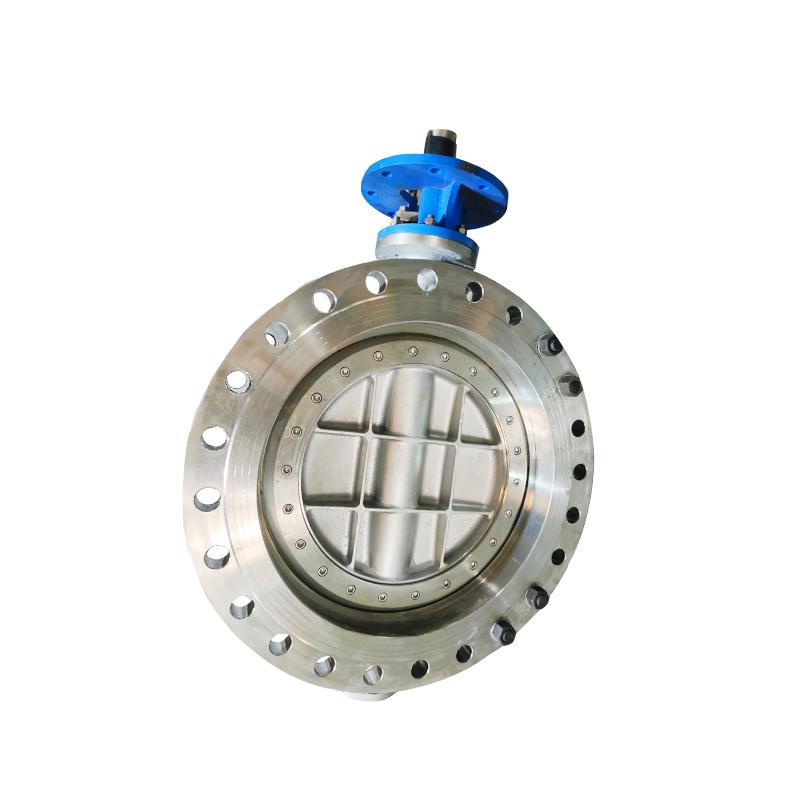
Every component is machined to exacting micron-level tolerances, eliminating play and ensuring flawless motion even under extreme loads. Our proprietary alloy blend resists corrosion and fatigue, so critical surfaces stay true after millions of cycles in salt spray, sub-zero cold, or scorching heat.
The drivetrain and structural elements are carved from a single billet, not cast or stamped, aligning grain flow with stress vectors. This subtle but deliberate choice doubles fatigue life compared to conventional methods, letting the mechanism shrug off impact shocks and sustained vibration without a hint of deformation.
Sealing is handled by a labyrinthine design backed by high-durometer elastomers, tested to keep out abrasive dust and high-pressure washdowns. No maintenance, no seepage—just dependable performance in mines, offshore platforms, and desert installations where failure is not an option.
Sealing Systems Designed for Zero Leakage and Long Life
Achieving a perfect seal isn't just about stopping leaks—it's about building trust into every connection. Our sealing systems are engineered from the ground up to eliminate even the smallest escape paths, using advanced materials that conform precisely to mating surfaces and maintain their integrity under extreme pressures and temperature swings. The result is a barrier so reliable that you can forget it's even there.
Longevity comes from understanding what wears a seal down over time. We've moved beyond conventional elastomers to hybrid composites that resist chemical attack, abrasion, and compression set. Each design undergoes accelerated life testing that mimics years of service in harsh conditions, ensuring the seal remains resilient when others would have already failed. It's this obsession with durability that turns a simple component into a lasting asset.
The secret lies in the geometry. Instead of relying on brute force, our profiles are optimized to distribute stress evenly and maintain consistent contact pressure across the entire sealing face. Combined with self-lubricating surface treatments, friction becomes negligible, and wear is virtually eliminated. The system isn't just leak-free at installation—it stays that way, cycle after cycle, year after year.
Beyond Standard: Custom Butterfly Valves for Unique Applications
Off-the-shelf butterfly valves often fall short when faced with non-standard piping layouts, extreme temperatures, or aggressive media. Custom solutions step in to bridge these gaps, allowing engineers to specify disc profiles, seat materials, and body geometries that match unusual operating conditions precisely. This level of tailoring ensures a tight seal and reliable actuation even in services where standard products would degrade or fail prematurely, saving downtime and maintenance headaches.
Unusual applications—think cryogenic processing, abrasive slurry handling, or high-purity pharmaceutical lines—demand more than just dimensional tweaks. Material selection becomes critical: a valve designed for -196°C liquid nitrogen needs ductile metals and specialized seals, while one controlling corrosive acids may require exotic alloys or PTFE-lined bodies. Custom fabrication allows the integration of features like extended stems for insulation clearance, flush ports for cleaning-in-place, or non-contacting shaft designs that eliminate particle entrapment.
Work with manufacturers early to map out challenges such as flow turbulence, pressure spikes, or compliance with niche industry codes. A collaborative engineering approach often yields hybrids—butterfly valves with guided vanes for throttling, or double-offset discs for reduced torque—that outperform stock catalogs. The result is a component that feels like it was always meant for the job, rather than an off-the-shelf compromise forced into service.
Field-Proven Performance: Stories of Reliability in Action
Reliability isn't just a claim—it's earned in the dust, heat, and relentless hours of real-world operations. Take the construction site in Arizona where temperatures regularly top 110°F. Our equipment has been running in these conditions for over two years without a single major breakdown. The crew shares stories of machines that start on the first try every morning, even when heatwaves push temperatures past 120°F. It’s not about specs on paper; it’s about the trust that comes from knowing the job won’t stop because a machine can’t take the pressure.
Across the ocean, a remote mining operation in the Australian outback faces a different kind of test: fine dust that clogs filters and grinds down lesser machinery. The team there has clocked over 10,000 hours of continuous operation with our equipment, often going weeks without shutdowns. One operator told us, “I’ve seen other brands quit in these conditions, but this one just keeps going. It’s become a legend around here.” That kind of field reputation doesn’t come from marketing; it’s forged shift by shift.
Then there’s the fleet management company in Scandinavia, battling sub-zero temperatures and icy terrain. Their GPS logs show machines starting reliably at -40°F, when competitors’ units freeze solid. A dispatcher mentioned that downtime has dropped by 30% since they switched, simply because the equipment handles the cold without complaint. These aren’t isolated anecdotes—they’re proof that reliability performs when it’s needed most, in the places where failure isn’t an option.
Partnering for the Long Haul: Service and Support That Matter
In a world where technology evolves at breakneck speed, sticking with the same provider can feel risky. But real value isn't found in chasing trends—it’s built through relationships that weather the inevitable shifts in your business. We’ve seen too many companies left stranded when their vendor’s roadmap diverged from their own. That’s why our approach starts with understanding where you want to be in five years, not just what you need today. From onboarding that treats your goals as our own to ongoing reviews that adapt as your market changes, every interaction is rooted in a simple belief: your success is our retention strategy.
Most support models treat you like a ticket number, assuming every issue fits a predefined script. Ours doesn’t. We staff our support teams with engineers who’ve built, deployed, and maintained systems at scale—people who’ve been in your shoes. When you reach out, you’re not walking through a decision tree; you’re getting someone who can diagnose the ripple effects of a misconfiguration before it becomes a fire. And if we spot recurring friction, we don’t wait for you to complain. We proactively rework training materials, tweak automation, or introduce micro-optimizations that cut your daily grunt work. It’s the difference between being reactive and being genuinely invested.
Longevity in a partnership shouldn’t come with complacency. Every quarter, we sit down with your team to challenge assumptions and unearth blind spots—not to upsell, but to ensure you’re squeezing every bit of value from what you already have. One client told us these sessions feel less like vendor check-ins and more like strategy clinics, which is exactly the point. When the roadmap planning happens collaboratively, the result isn’t just a tool that works—it’s a capability that grows as you do. And when you hit a wall that demands a creative leap, you’ll find we’ve already laid the groundwork, keeping the gears turning while others are still drafting proposals.
FAQ
Prioritize manufacturers with a proven track record in your specific industry. Look beyond glossy brochures and check for on-site testing capabilities, real-world case studies, and responsive technical support. A good factory will willingly share performance data under your operating conditions, not just standard specs.
Material selection directly impacts valve life and failure rates. For example, duplex stainless steel handles corrosive environments better than standard 316, while PTFE-lined discs prevent chemical attack in aggressive media. A manufacturer that offers material traceability and can explain why a specific alloy works for your fluid is far more reliable than one with a one-size-fits-all approach.
ISO 9001 is just the baseline. Look for API 609 for design, ATEX or SIL certifications for hazardous environments, and fire-safe approvals like API 607. For drinking water, NSF/ANSI 61 is critical. However, certifications alone aren't enough—ask how recently their testing was conducted and whether third-party audits are publicly available.
Double-offset valves reduce seat friction because the disc pulls away from the seal immediately upon opening. This minimizes wear and allows for tighter shut-off at higher pressures compared to concentric designs. For steam or high-temperature applications, this design drastically lowers maintenance needs and prevents sticking.
Instead of chasing brand names, focus on manufacturers who specialize in regional markets or niche applications. Some Asian manufacturers now produce valves with European-designed internals at a fraction of the cost, but always demand third-party inspection reports. Mid-sized U.S. or EU firms may offer better lifecycle value due to local support and faster spare parts than global giants.
Regular cycling of valves in intermittent service prevents seizure. Lubricate stems sparingly with the correct grease—over-lubrication attracts debris. After any disassembly, always replace the seat gasket rather than reusing it, even if it looks fine. For automated setups, check actuator torque settings twice a year to avoid over-compressing the seat.
Insist on a factory acceptance test (FAT) that mimics your actual flow conditions, not just water tests. Ask for fatigue test results showing how many cycles the valve endured under pressure. If the manufacturer hesitates to provide burst test data or long-term sealing performance curves, move on.
Yes, lined butterfly valves with PTFE or PFA are standard for corrosive fluids, but consider triple-offset valves with Hastelloy or titanium trim for extreme compatibility. Avoid rubber-lined valves entirely for acids unless the compound is specifically rated. Always request a corrosion resistance chart validated by an independent lab, not just the manufacturer's word.
Conclusion
Truly reliable butterfly valves begin with material selection that goes far beyond compliance checklists. The best manufacturers scrutinize every melt chemistry, verify mechanical properties through rigorous batch testing, and match seat elastomers or metal seats to the exact chemical and thermal demands of the line. This material integrity provides the foundation for precision engineering: disc and shaft alignments machined to tight tolerances, bushings that prevent side-load wear, and drive connections that transmit torque without slop or galling. Under the toughest conditions—whether cavitation, abrasive slurry, or temperature swings—the valve’s geometry remains stable, cycle after cycle. A no-less-critical piece of the puzzle is the sealing system. Instead of relying on generic O-ring grooves, top-performing designs use pressure-energized lip seals, live-loaded packing, and zero-leakage seat technology that locks in bubble-tight shutoff from the initial stroke and keeps it locked in for the valve’s entire service life, virtually eliminating the hidden costs of fugitive emissions and unplanned maintenance.
Still, a manufacturer’s true capabilities surface when standard product lines can’t satisfy a unique application. Leading suppliers maintain engineering teams that collaborate with plant operators to develop custom butterfly valves tailored to extreme pressures, cryogenic temperatures, high-cycle automation, or exotic media—often delivering fully documented prototypes within tight project windows. This flexibility has been validated in the field: refineries report multi-year runs without seat replacement, water treatment plants document maintenance intervals stretching well beyond original predictions, and marine engineers rely on the same valve models across fleet-wide installations. These stories of reliability in action aren’t marketing anecdotes; they are the earned result of airtight sealing, robust material choices, and precise manufacturing. Crucially, the relationship doesn’t end at the dock. The best manufacturers invest in long-haul partnerships with thorough commissioning support, readily available spares, and field service teams that arrive when it matters. It’s this combination—an unshakable core product backed by a genuine commitment to aftermarket care—that separates a commodity supplier from a valve partner worth trusting for decades.
Contact Us
Contact Person: Lucas Lin
Email: [email protected]
Tel/WhatsApp: 8613968913000
Website: https://www.zhengmaogroup.com