

Aluminum Boat Supplier: Your Guide to Finding Quality Craftsmanship
2026-06-29
Choosing the right aluminum boat supplier means the difference between a vessel that merely floats and one that handles every adventure with precision. Whether you're a weekend angler or a commercial operator, craftsmanship defines durability, performance, and safety on the water. At Allheart, we've seen firsthand how meticulous engineering turns raw aluminum into a boat that can withstand the harshest conditions. This guide cuts through the noise, helping you spot true quality—from weld integrity to hull design—so you can invest in a boat that’s built to last. Let’s explore what separates exceptional suppliers from the rest.
What Sets Top-Tier Aluminum Boat Builders Apart
You can spot the difference in an aluminum boat the moment you run your hand along a weld. The best builders treat each seam like a signature, fusing metal with a rhythm that only years of hands-on work can teach. They don’t just join plates—they sculpt them, using techniques that minimize distortion and maximize strength. That kind of skill doesn’t come from a manual; it’s passed down, refined on the shop floor, and it shows in every curve and corner. When you see a bead that’s smooth as a bead of caulk, you’re looking at a builder who refuses to cut corners.
Beyond the welding booth, materials tell another story. Top shops source marine-grade aluminum that holds up against salt and sun without becoming brittle. They’ll often specify thicker hull bottoms or selectively reinforce stress points—not because a spec sheet demands it, but because they’ve learned where water and rocks take their toll. It’s the difference between a boat that flexes where it shouldn’t and one that feels solid underfoot even in a chop. And while mass producers might settle for off-the-shelf fittings, these builders customize layouts until the deck works as an extension of the angler’s own instincts.
Finally, there’s an unspoken commitment to standing behind what they build. The elite builders aren’t chasing volume; they carry a reputation in every hull that leaves the yard. They remember your name, know what river you run, and will tweak a design because you mentioned a tricky sandbar. That level of care can’t be faked. It’s why their boats age gracefully, holding value and turning heads long after the flashy paint jobs elsewhere have faded.
Key Materials and Construction Techniques That Ensure Durability
The backbone of any long-lasting structure lies in the materials chosen from the outset. High-performance concrete, often blended with supplementary cementitious materials like fly ash or slag, significantly reduces permeability and resists chemical attacks that can weaken a framework over time. Reinforcement steel, when epoxy-coated or galvanized, fends off corrosion even in chloride-heavy environments, while advanced composites such as carbon fiber-reinforced polymers offer an alternative where weight and tensile strength matter. Even the aggregates are not an afterthought: carefully graded, durable stone and sand limit shrinkage and improve bonding, forming a denser, more resilient matrix that stands up to freeze-thaw cycles and abrasive wear.
Construction techniques are equally pivotal in locking in that durability from day one. Proper compaction of subgrades and backfill prevents differential settlement that can crack and undermine even the best materials. Controlled curing of concrete, whether through water retention methods or curing compounds, allows hydration to proceed fully, boosting compressive strength and surface hardness. Joint placement and sealing are orchestrated to accommodate thermal movement without inviting water ingress, a common culprit behind spalling and internal decay. In steel frameworks, precise welding and bolting sequences, paired with rigorous inspection, eliminate stress concentrations that could later initiate fatigue cracks.
Beyond individual practices, the integration of modern monitoring and protection systems adds a layer of proactive defense. Impressed current cathodic protection can halt rebar corrosion in its tracks, while waterproof membranes and drainage composites are embedded seamlessly to shunt water away from vulnerable elements. Attention to detail during installation—like ensuring lap splices meet design lengths and protective cover to reinforcement is uniform—makes the difference between a structure that merely stands and one that endures with minimal upkeep. It’s this interplay of robust materials, refined methods, and safeguarding measures that transforms a blueprint into a legacy.
How to Spot Exceptional Welds and Finishing Details
Exceptional welds don't just hold metal together—they speak to the craftsperson's attention and control. Run your eyes along the bead: it should be uniform in width and height, with a consistent ripple pattern that says the hand was steady and the heat just right. A great weld is clean, with no cracks, porosity, or undercut at the toes. On close inspection, the color of the weld and the heat-affected zone can also be a giveaway—too much heat, and you'll see a dull, sugared finish on stainless steel; just right, and you get a subtle rainbow band that's as much an aesthetic signature as a structural promise.
Finishing details separate the good from the unforgettable. Look past the main surface and check the edges, corners, and hard-to-reach areas—true skill shows in how evenly the grain runs and how smoothly transitions are blended. On polished parts, there shouldn't be any haze, scratch marks from coarser grits, or dull spots where the wheel skipped. Run a fingertip (when safe and clean) over coated surfaces; a flawless finish feels like glass, with no bumps, orange peel, or dry spray. The best finishers treat the unseen backside of a piece with nearly the same care as the show face, and that quiet consistency is a dead giveaway of pride in the work.
Often, the real tells are in how the weld interacts with the surrounding material. Check for warping or distortion—a top fabricator will have controlled the heat input so well that the panel remains true, with no oil-canning or pulling. On painted or powder-coated work, look for how the coating flows into corners; excessive buildup in recesses or a fuzzy peel at edges reveals rushing. And don't forget the test of time: a truly exceptional finish ages gracefully, with coatings that don't chip at the first touch and raw metal that builds a natural patina instead of rusting out. The more you train your eye, the more these small signatures of expertise become impossible to miss.
Evaluating Customization Options for Your Needs
Start by identifying the specific features that matter most to your daily routine. Whether it's adjustable layouts, personalized interfaces, or flexible notification settings, list what you genuinely need rather than getting swayed by trendy extras. Consider how each option aligns with your habits—something that seems appealing but rarely used can become clutter rather than a benefit.
Next, test the customization process hands-on if trial periods are available. Don't just rely on descriptions; actual usage often reveals limitations or unexpected advantages. Pay attention to how intuitive the controls feel and whether adjustments actually save time or add complexity. Your comfort level with navigating these options directly impacts long-term satisfaction.
Finally, weigh the trade-offs between simplicity and depth. Over-customizing can lead to a setup that's hard to maintain or recalibrate later. Aim for a balance where the enhancements genuinely improve your experience without overwhelming you. Sometimes the best choice is a solution that offers smart defaults with room to tweak, rather than endless settings that demand constant fine-tuning.
Understanding Warranties and After-Sales Support
When you invest in a product, the real value often lies beyond the purchase—it’s in how the company handles issues down the line. A warranty isn’t just a piece of paper; it’s a promise that the manufacturer stands by their work. But not all warranties are created equal. Some cover everything from parts to labor for years, while others are riddled with exclusions that only surface when you need them least. Read the fine print: understand what’s covered, for how long, and what actions might void the agreement. This upfront diligence can save you from costly surprises later.
After-sales support can make or break your experience. It’s not uncommon to feel stranded when a product fails, and that’s where responsive customer service shines. Look for brands that offer multiple support channels—phone, email, or live chat—and check real user reviews to gauge their responsiveness. A company that quickly addresses concerns, provides clear troubleshooting steps, or facilitates repairs without hassle is worth its weight in gold. Don’t underestimate the peace of mind that comes from knowing help is just a call or click away.
Ultimately, warranties and support are about trust. They reflect a company’s confidence in its products and its commitment to customers. When comparing options, weigh these factors as heavily as specs or price. A slightly higher upfront cost might be justified by a comprehensive warranty and stellar support, reducing lifetime ownership stress. In a crowded market, the brands that truly listen and stand behind their products are the ones you’ll want to stick with for the long haul.
Red Flags to Avoid When Choosing a Supplier
When you’re vetting a new supplier, pay close attention to how they communicate. A reliable partner responds promptly and with clarity. If you’re getting vague answers, long delays, or a sense that your questions are being dodged, that’s a serious warning sign. Good suppliers want to build trust, so they’ll typically offer detailed spec sheets, compliance certifications, or even a video walk-through of their facility without being asked twice.
Another area to watch is pricing that feels too aggressive. While everyone wants a deal, a quote that’s significantly lower than the market average often points to corners being cut—cheaper materials, skipped quality checks, or even illegal labor practices. Always request the unit price breakdown and compare it with two or three other vendors. If they can’t explain the cost structure clearly, walk away.
Finally, think twice before committing to a supplier who demands full payment upfront, especially if it’s your first order. Seasoned businesses usually agree to a deposit with the remainder due after quality inspection. Also, take a moment to look into their track record. A supplier with zero online footprint or a trail of unresolved complaints might not be worth the risk, no matter how charming their sales pitch seems.
FAQ
It’s all in the details – consistent welds, thick hull plates, and a design that’s been refined through real-world use. A boat built with care will feel solid underfoot and show no signs of warping or pitting.
Very important. Marine-grade alloys like 5083 or 5086 are the go-to because they resist saltwater corrosion far better than standard grades. A trustworthy supplier will openly share material specs.
Absolutely. Proper MIG or TIG welding creates strong, watertight seams. Look for uniform beads and no discoloration – sloppy welding can lead to leaks down the line.
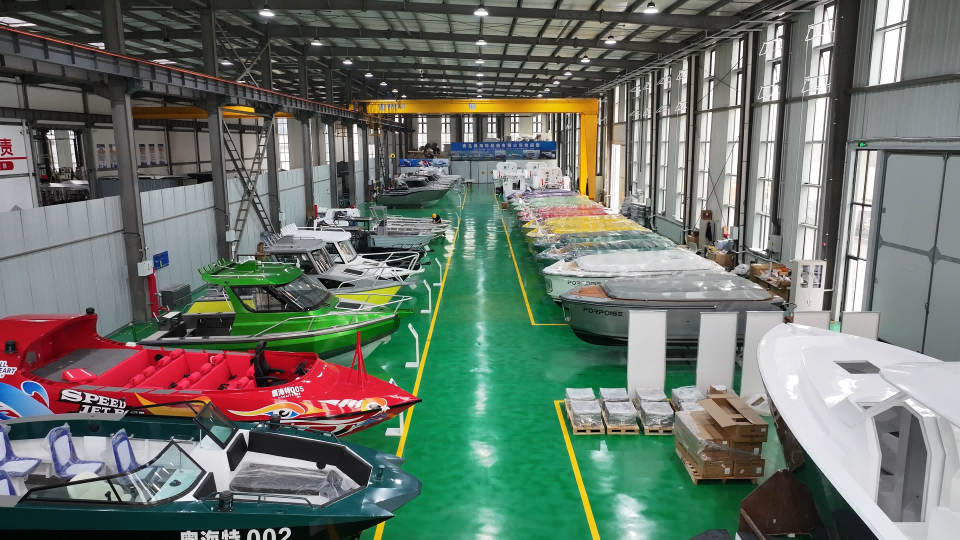
Definitely. Seeing the workshop gives you a sense of their process and pride in work. If they’re hesitant about a visit, treat it as a warning sign.
Talk to local fishermen or marina owners – word of mouth still counts for a lot. Ask to see completed projects and speak with previous customers if possible.
Beyond basic layout tweaks, they should work with you on hull modifications, storage solutions, and even specialized gear mounts. Flexibility usually indicates a builder who values craftsmanship over mass production.
You often get what you pay for. Rock-bottom prices might mean thinner aluminum or rushed assembly. A fair quote balances materials, labor, and the builder’s expertise.
They’ll stress rinsing with fresh water after saltwater use, regular anode checks, and storing the boat under cover. A builder who cares about longevity will educate you, not just sell.
Conclusion
Securing an aluminum boat that truly lasts begins with understanding what separates ordinary suppliers from those dedicated to genuine craftsmanship. Elite builders distinguish themselves through meticulous material selection, frequently relying on marine-grade 5083 or 5086 alloys that resist corrosion far better than standard alternatives, and they complement this with fully welded, continuous seam construction instead of cheaper riveted or stitch-welded shortcuts. A walkthrough of a prospective supplier’s facility often reveals the truth—look for tight, uniform weld beads with smooth, consistent profiles and an absence of burn-through or excessive grinding; flawless finishing around hatches, gunwales, and transom edges further signals pride in workmanship. Beyond construction, the best suppliers treat each hull as a blank canvas, offering tailored layouts, from customized rod holders and livewells to full cabin configurations, ensuring the boat aligns precisely with how you actually fish or cruise. Equally telling is the support you receive after the sale: reputable firms provide clear, transferable hull warranties and maintain responsive service networks, giving you confidence years down the line. Conversely, red flags such as vague material certifications, evasion of on-site inspections, rushed production timelines that sacrifice quality, or poor communication during the ordering process suggest corners are being cut. By weighing these details—materials, welds, customization, guarantees, and the supplier’s overall transparency—you move past flashy marketing and anchor your decision in the markers of true, enduring craftsmanship.
Contact Us
Contact Person: Benny Hu
Email: [email protected]
Tel/WhatsApp: +8618354225697
Website: https://www.allheartmarine.com/