
Alkyl Polyglucoside Company: Enhancing Green Surfactant Solutions for Modern Industry
2026-03-08
In today's industry landscape, the demand for sustainable solutions is no longer a trend but a necessity. Alkyl Polyglucoside (APG) surfactants are at the forefront of this green revolution, offering eco-friendly alternatives that don't compromise on performance. At the heart of this innovation stands POLYKEM, a company dedicated to enhancing these green surfactant solutions for modern applications. With decades of expertise, POLYKEM is reshaping how industries approach cleaning, cosmetics, and agriculture, blending advanced chemistry with environmental stewardship. In this blog, we'll explore how their cutting-edge APG technologies are setting new benchmarks in sustainability and efficiency. Curious to learn how these innovations can transform your operations? Join us as we delve into the compelling story behind POLYKEM's commitment to a cleaner, greener future.
Exploring the Role of Alkyl Polyglucosides in Sustainable Industry Solutions
In the quest for greener industrial practices, alkyl polyglucosides (APGs) have emerged as a key player, offering a biodegradable and non-toxic alternative to traditional surfactants. Derived from renewable resources like corn starch and coconut oil, these compounds break down easily in the environment, reducing pollution and resource depletion. They are increasingly adopted in sectors such as agriculture and household products, where their mild properties and natural origins appeal to eco-conscious markets.
Beyond their environmental benefits, APGs enhance performance in various applications, from improving pesticide efficacy to stabilizing emulsions in personal care items. Their versatility stems from a unique molecular structure that can be tailored for specific tasks, ensuring both efficiency and sustainability. As industries face stricter regulations and consumer pressure, the adoption of APGs helps companies align with circular economy principles, turning waste into value and fostering innovation in cleaner production methods.
Looking ahead, the integration of APGs into industrial workflows could pave the way for broader systemic changes, such as reducing reliance on petrochemicals and promoting green chemistry. By blending technical advantages with ecological responsibility, these substances exemplify how small chemical shifts can drive significant progress toward a more sustainable future, balancing economic goals with planetary health.
Innovative Manufacturing Processes for High-Quality Green Surfactants
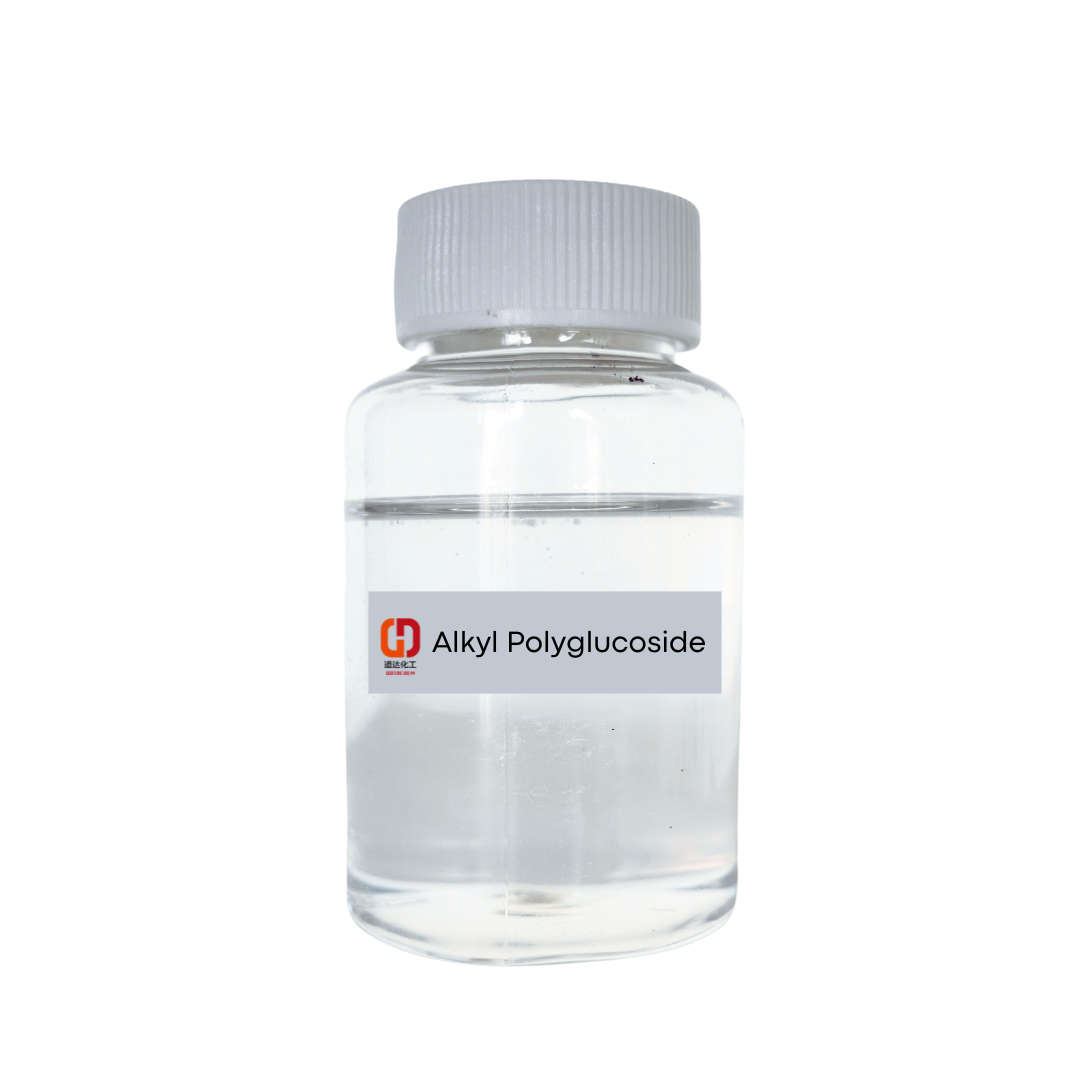
The production of high-quality green surfactants has shifted towards innovative manufacturing processes that prioritize sustainability and efficiency. By integrating advanced catalysis and continuous flow systems, manufacturers can achieve greater control over molecular structures, resulting in surfactants with enhanced performance. These methods often reduce energy consumption and waste generation, aligning with environmental goals. For instance, microwave-assisted synthesis allows for rapid reactions at lower temperatures, lowering the carbon footprint.
Emerging techniques like enzymatic synthesis and supercritical fluid extraction are gaining traction for their ability to produce biodegradable and non-toxic surfactants. These processes leverage natural catalysts and solvents, minimizing hazardous by-products. A key advantage is the precise tailoring of surfactant properties, such as foam stability or emulsification, to meet specific industrial needs. This flexibility enables green surfactants to replace traditional petrochemical-based ones in diverse applications.
Looking ahead, innovations in nanotechnology and biorefinery integration promise further improvements. By utilizing renewable feedstocks like plant oils and agricultural waste, these processes cut down on fossil fuel reliance. Collaborative efforts across academia and industry are driving the adoption of these methods, ensuring high-quality green surfactants become mainstream in sectors like personal care, agriculture, and cleaning products.
Customized Applications of APGs Across Diverse Industrial Sectors
Automated process guidance (APG) systems are being tailored to suit the unique demands of various industrial sectors, moving beyond generic solutions to address specific operational challenges. In manufacturing, for instance, APGs are integrated with real-time quality control sensors to provide instant feedback on production lines, reducing defects and optimizing throughput. This customization allows businesses to adapt quickly to changing market conditions and regulatory requirements, fostering agility and resilience in competitive environments.
Beyond traditional factories, APGs find innovative applications in sectors like agriculture and healthcare. On farms, these systems guide precision irrigation and fertilization based on soil data and weather forecasts, enhancing crop yields while conserving resources. In hospitals, APGs assist in streamlining patient care pathways, from diagnosis to treatment, by automating protocols and reducing human error, ultimately improving outcomes and operational efficiency. Such diverse adaptations highlight APG's versatility in solving industry-specific problems.
The success of APGs in any sector hinges on thorough customization, which involves collaborating with experts to design systems that integrate seamlessly with existing workflows. By focusing on user-centric design and leveraging sector-specific data, APGs can deliver tangible benefits, such as cost savings and enhanced safety, making them indispensable tools across an ever-widening range of industries.
Advantages of Choosing Biodegradable Surfactants for Environmental Impact
One of the most compelling reasons to opt for biodegradable surfactants is their ability to break down rapidly in natural environments, significantly reducing the accumulation of pollutants in soil and water systems. Unlike traditional surfactants, which can persist for years and disrupt ecosystems, biodegradable alternatives decompose into harmless byproducts, minimizing the risk of algal blooms and toxicity to aquatic life. This not only helps in preserving biodiversity but also supports cleaner, healthier ecosystems that can better withstand human activities.
In addition to their environmental benefits, choosing biodegradable surfactants often aligns with consumer and regulatory trends towards eco-friendliness, providing a competitive edge for businesses. These surfactants are derived from renewable resources like plants, which lowers reliance on fossil fuels and reduces the carbon footprint associated with production. By integrating them into products, companies can demonstrate a genuine commitment to sustainability, appealing to environmentally conscious customers and potentially gaining market share in an increasingly green economy.
Moreover, the adoption of biodegradable surfactants contributes to long-term environmental resilience by mitigating issues such as bioaccumulation and persistent organic pollution. They facilitate easier wastewater treatment processes, as their breakdown reduces the burden on treatment plants and prevents the release of harmful residues into rivers and oceans. This proactive approach not only safeguards water quality but also promotes a circular economy, where materials are designed to return to nature safely, fostering a more balanced relationship between industrial activities and the planet.
Future Trends and Developments in Green Surfactant Technology
The landscape of green surfactant technology is shifting toward novel bio-based feedstocks derived from agricultural waste and algae, which could dramatically lower environmental footprints. Researchers are exploring how these underutilized resources might not only reduce reliance on fossil fuels but also enhance biodegradability. This approach is sparking innovations in extraction and processing methods, aiming to make production more scalable and cost-effective while maintaining high performance in applications.
Advancements in enzyme-catalyzed and microbial synthesis are emerging as key drivers for sustainability, offering milder reaction conditions and reduced energy consumption compared to traditional chemical routes. These bio-catalytic processes enable the creation of surfactants with tailored molecular structures, potentially improving functionality in specific uses like personal care or cleaning. Industry experts anticipate that such methods will accelerate the adoption of green alternatives by addressing performance gaps and manufacturing challenges.
Future developments may focus on multifunctional surfactants that combine cleaning, antimicrobial, or moisturizing properties, driven by consumer demand for versatile and eco-friendly products. This trend could lead to smarter formulations that minimize chemical usage while maximizing efficiency, supported by digital tools for design and testing. As regulations tighten globally, these innovations are poised to redefine standards in the market, fostering a more sustainable and innovative industrial ecosystem.
Collaborative Efforts Driving Innovation and Market Growth in APGs
In the dynamic world of Advanced Propellant Generators (APGs), collaboration has become a cornerstone of progress. By bringing together diverse expertise from research institutions, private companies, and government agencies, stakeholders are pooling resources to tackle complex challenges like energy efficiency and scalability. This synergy not only accelerates the development of cutting-edge technologies but also fosters a culture of shared learning, where breakthroughs in materials science or computational modeling can swiftly translate into practical applications. As a result, APGs are evolving faster than ever, with innovations that once seemed distant now becoming tangible solutions ready for market integration.
Beyond technical advancements, these partnerships are reshaping the entire market landscape for APGs. Through joint ventures and consortia, organizations are reducing risks and costs associated with large-scale R&D, enabling more aggressive entry into emerging sectors such as aerospace and renewable energy storage. This collective approach amplifies market reach, as collaborative networks facilitate smoother regulatory approvals and faster adoption across global industries. By aligning goals and leveraging complementary strengths, the APG sector is not just growing—it's thriving through a virtuous cycle of innovation that attracts investment and drives sustainable expansion.
Ultimately, the success of APGs hinges on sustained collaboration, which cultivates a resilient ecosystem capable of adapting to shifting demands. From pilot projects to full-scale deployments, ongoing dialogues among partners ensure that innovations remain relevant and commercially viable, paving the way for long-term growth that benefits both industry players and end-users alike.
FAQ
Alkyl Polyglucosides are derived from renewable plant sources like corn starch and coconut oil, unlike petroleum-based surfactants. They offer superior biodegradability and low toxicity, making them safer for aquatic life and reducing environmental impact.
In industrial settings, Alkyl Polyglucosides enhance cleaning efficiency with excellent wetting and emulsifying properties, even at low concentrations. They maintain stability across wide pH ranges and temperatures, boosting reliability in formulations from detergents to agrochemicals.
Initial hurdles include higher upfront costs compared to synthetic alternatives and the need for formulation adjustments due to their unique solubility characteristics. However, long-term benefits like regulatory compliance and consumer appeal often outweigh these initial investments.
The company focuses on closed-loop production methods that minimize waste and energy use, while sourcing raw materials from certified sustainable farms. This approach helps clients reduce their carbon footprint and meet eco-labeling standards without sacrificing performance.
Regions with stringent environmental regulations, such as the EU and North America, drive demand, alongside growth in Asia-Pacific due to rising consumer awareness. Sectors like personal care, agriculture, and industrial cleaning are key adopters seeking greener alternatives.
Yes, the company offers tailored solutions by modifying alkyl chain lengths and glucose units to adjust properties like foaming, viscosity, and compatibility. This customization allows for optimized performance in niche applications, from high-foaming cleaners to low-irritation cosmetics.
Conclusion
Alkyl Polyglucoside Company positions itself at the forefront of sustainable innovation by enhancing green surfactant solutions tailored for modern industries. The role of alkyl polyglucosides (APGs) extends beyond mere functionality, contributing significantly to eco-friendly industrial practices. By exploring their applications, the company demonstrates how APGs serve as key components in sustainable solutions, reducing environmental footprints while maintaining high performance. This aligns with growing industry demands for biodegradable surfactants, which offer clear advantages in minimizing ecological impact. Through customized approaches, APGs are adapted across diverse sectors, ensuring versatility and effectiveness in various applications.
Innovation drives the company's efforts, with advanced manufacturing processes producing high-quality green surfactants that meet rigorous standards. Collaborative initiatives foster market growth, encouraging partnerships that accelerate technological advancements. Looking ahead, future trends in green surfactant technology suggest continued evolution, with APGs leading the way in eco-conscious developments. By integrating these elements, Alkyl Polyglucoside Company not only addresses current industrial needs but also pioneers forward-thinking strategies, making it a standout player in the promotion of sustainable and effective surfactant solutions for a greener future.
Contact Us
Contact Person: Levi
Email: [email protected]
Tel/WhatsApp: +86 532 84688720
Website: https://www.polykem-intl.com