

3-Side Seal Pouches Factory: Crafting Durable Flexible Packaging for Modern Brands
2026-06-12
In a market where packaging speaks volumes before a product is even opened, the right flexible solution can make all the difference. At Kody, we don’t just manufacture 3-side seal pouches—we engineer them to endure the rigors of modern supply chains while capturing consumer attention. But what goes into creating packaging that balances strength, sustainability, and shelf appeal without compromise? Discover how our factory turns material science into a competitive edge for brands that refuse to settle.
Mastering the Three-Side Seal: Precision for a Perfect Package
In the world of flexible packaging, the three-side seal stands out as a workhorse for products that demand both protection and presentation. Unlike other sealing methods, this technique uses three precisely bonded edges, leaving one open side for filling before the final closure. The result is a sleek, flat pouch that not only guards its contents against moisture, oxygen, and light but also offers a clean, professional look that catches the eye on store shelves. Getting this seal right is more than a mechanical step—it’s a delicate balance of heat, pressure, and timing that turns raw film into a reliable barrier.
Achieving precision in a three-side seal hinges on understanding how the film layers respond under different conditions. Each material—whether it’s polyethylene, polypropylene, or a multilayer laminate—has its own sealing window, a narrow range where the bond is strong without distorting the package. Too little heat and the edges peel apart; too much and you risk puckering, weakening the seam, or even ruining the graphics. The real art lies in fine-tuning the sealer’s temperature, dwell time, and jaw pressure so that every pouch comes out identical, no matter how many thousands you run. Even subtle shifts in ambient humidity or film thickness can sneak in and cause rejects, so operators who stay watchful and tweak the settings proactively are the ones who consistently hit perfect seals.
Beyond the machinery, the design of the pouch itself plays a huge role in seal integrity. A well-planned three-side seal isn’t just about—it’s about the margins you leave for the seal area, the radius of the corners to prevent snagging, and the type of opening you choose for the end user. Small details like a tear notch or a peelable layer can make the package easier to handle without compromising the hermetic seal. When every element comes together—the right film, the tuned-in machine, and a thoughtful design—the three-side seal transforms from a basic packaging style into a signature of quality that protects the product from the filling line all the way to the consumer’s hands.
Material Strength That Withstands Supply Chain Abuse
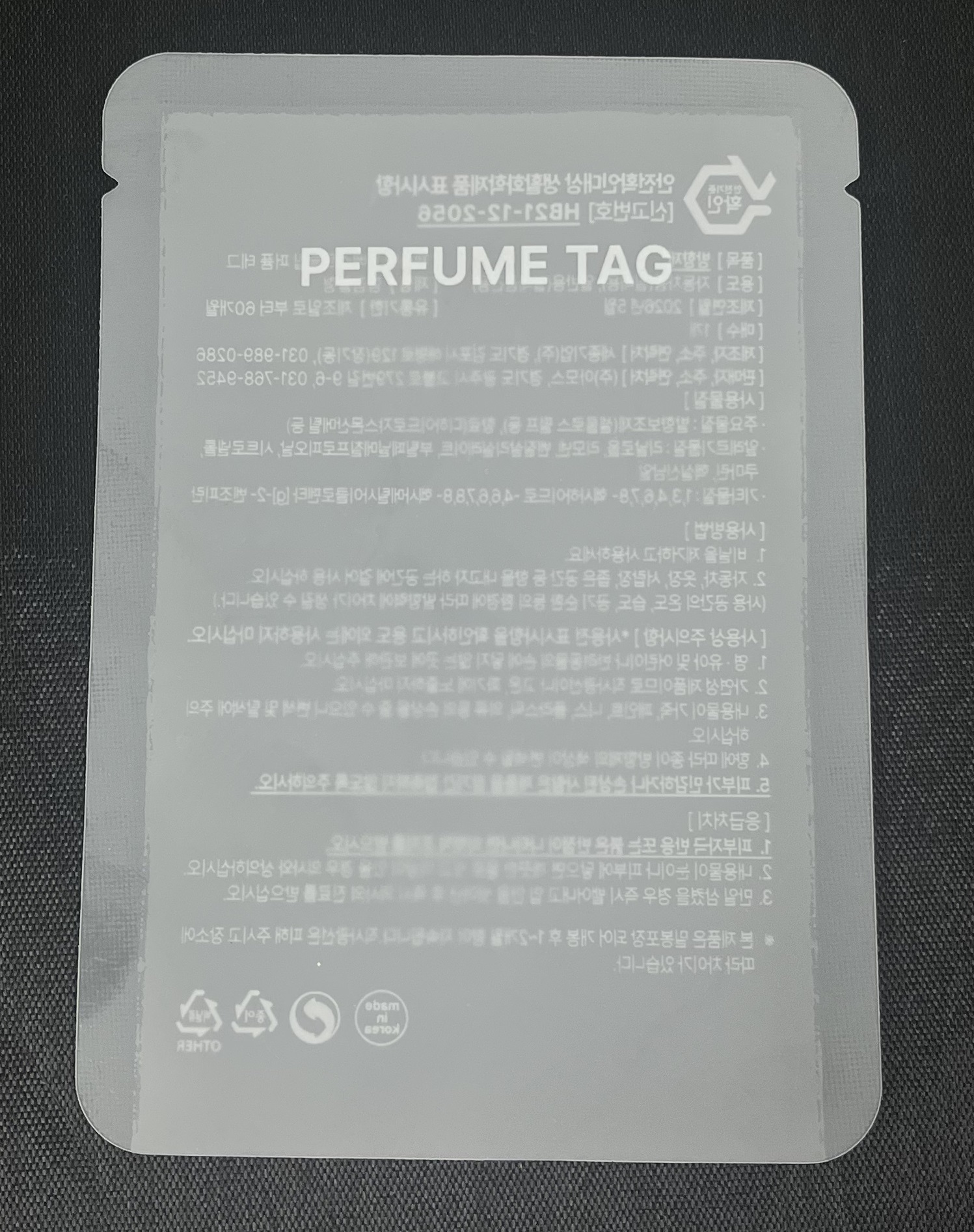
The real test of material strength isn’t in a pristine factory—it’s in the chaos of a supply chain where boxes are dropped, pallets are mismanaged, and vibrations rattle every joint. Our materials are engineered with an obsession for real-world punishment, using composite layers that absorb shock without cracking and flex under pressure without permanent deformation. This isn’t theoretical durability; it’s strength that shrugs off the kind of abuse that turns ordinary packaging into shredded cardboard and bent brackets.
We don’t just rely on lab numbers. Every batch is subjected to impact tests that mimic the worst of FedEx conveyor belts and cross-country truck hauls, plus repeated drop cycles from heights that exceed standard shipping mishaps. The result is a material that keeps electronics, glass, and precision components safe even when the outer box looks like it was used as a football. It’s the difference between arriving intact and arriving as a warranty claim.
What sets this apart is the way we balance toughness with workability. Thicker, heavier materials often mean more protection, but they also add cost and weight. Our formula achieves high tear resistance and puncture strength while remaining light enough to trim shipping fees—meaning it protects without punishing your bottom line, from the warehouse floor to the customer’s doorstep.
Bespoke Branding: Custom Prints and Finishes That Stand Out
Your logo on a brown box might whisper professionalism, but it rarely shouts. Bespoke branding is about crafting an instant, tactile connection. Think of a deep blind deboss that invites fingertips to trace the shape of your emblem, or a spot UV varnish that catches the light only on the very details you want to magnify. It’s not just decoration; it’s a deliberate, sensory experience that begins before the product is even revealed.
The real magic happens when you pair the unexpected. Matte lamination on a kraft stock feels earthy and calm, until a flash of holographic foil or a neon edge paint jolts the eye. These combinations refuse to be overlooked on a crowded shelf or in a social media unboxing. It’s about creating a moment of pause—a subtle gasp that says, “This is different.” And that difference imprints on memory far longer than a standard glossy logo ever could.
Beyond mere aesthetics, custom finishes tell your brand’s story without words. A textured paper maybe speaks of heritage and craft, while a glossy, metallic foil screams modern luxury. The choice of coating, the precision of the print, even the weight of the stock—all become part of the narrative. When done right, your packaging becomes a silent ambassador, setting your brand apart not by shouting louder, but by leaving a lasting, tactile impression that simply feels more valuable.
Production Agility: Scaling from Pilot Runs to Full Commercial Orders
Moving from small-batch trials to large-scale production is rarely a smooth transition. It demands more than just bigger equipment and faster machines; the entire workflow must adapt without sacrificing the precision achieved during pilot runs. True production agility means being able to ramp up volumes without rewriting the process book each time, ensuring that what worked on the bench translates reliably to the factory floor.
In practice, this requires a balanced blend of modular tooling and flexible team structures. By designing lines that can be quickly reconfigured and empowering operators to make real-time adjustments, delays shrink and output stays consistent. The goal isn't just to hit higher numbers, but to maintain the same level of quality and responsiveness whether you're fulfilling a hundred units or a hundred thousand.
Ultimately, scaling with agility boils down to treating each order size as a learning opportunity rather than a hurdle. Constant feedback loops between production data and process refinements allow for incremental improvements that compound over time. This approach turns the so-called "valley of death" between prototype and commercial order into a manageable, even competitive, advantage.
Eco-Forward Films That Balance Protection and Sustainability
In an era where awareness shapes action, a new wave of cinema does more than entertain—it reframes how we see our relationship with the natural world. These productions don't just preach preservation; they weave it into the very fabric of storytelling. By coupling compelling narratives with tangible on-set practices, they prove that protecting landscapes can coexist with capturing them on camera. From sourcing local materials to powering shoots with renewable energy, each choice sends a quiet but resounding message: sustainability need not stifle creativity but can fuel a different kind of authenticity.
What sets these films apart isn't a checklist, but an ethos. Directors and crews collaborate with ecological consultants early on, ensuring that the story's footprints are as light as its emotional impact is heavy. A period drama might restore a heritage orchard rather than simply filming beside it; a documentary about coastal erosion might involve the community in beach cleanups throughout production. It's about stewardship that lives beyond the closing credits, turning a one-time project into a lasting gesture. Viewers sense this depth—it's there in the unfiltered light of a location left better than it was found.
Your Packaging Partner: From Initial Concept to On-Time Delivery
Transforming your packaging ideas into reality starts with a collaborative kick-off. We listen carefully to your brand requirements, target audience, and functional needs—whether it’s sustainable materials, eye-catching graphics, or protective design. Together, we refine the concept until it perfectly aligns with your vision.
Once the design is approved, our production team takes over. Every material and print technique is selected for durability and shelf impact. Rigorous quality checks throughout the process ensure that each box, bag, or label matches the prototype exactly—no surprises, just consistency you can rely on.
Timely delivery is where our logistics expertise shines. We coordinate shipments to your warehouse, distribution center, or retail locations, adapting to any last-minute changes without fuss. Your packaging arrives fully ready to protect your product and impress your customers, exactly when you need it.
FAQ
We build these pouches with multi-layer barrier films that resist punctures, tears, and moisture ingress. The sealed edges are reinforced through precise heat application, which creates a bond that holds up even during rough transit or frequent handling.
Quality is embedded in our process from the start. Raw materials are inspected for consistency, and production lines use automated monitoring to catch any variance in seal strength or print alignment. Samples from each batch go through peel tests and visual checks before anything ships.
They're a natural fit for food brands needing tamper-evident, freshness-locking packaging—think coffee, snacks, and protein powders. But we also see strong demand in pharmaceuticals for single-dose items, cosmetics for sample sachets, and even hardware for small component kits.
Absolutely. We work with brands to incorporate full-color graphics, matte or gloss finishes, resealable zippers, tear notches, hang holes, and even transparent windows. Everything from pouch dimensions to barrier properties is tuned to what the product actually needs.
Most commonly we combine layers like PET for printability, aluminum foil or metalized film for barrier, and polyethylene for sealing strength. For brands shifting to recyclable structures, we also run polyethylene-only laminates that maintain performance without mixed materials.
The continuous seal on three sides minimizes oxygen and moisture transfer. By fine-tuning the barrier layer, we can hit very low transmission rates, which keeps volatile aromas in and spoilage agents out—often extending shelf life by months compared to traditional packaging.
We put prototypes through controlled abuse: drop tests from set heights, burst resistance under pressure, and accelerated aging in humid environments. Only when a pouch maintains seal integrity and doesn't delaminate under stress do we sign off on the design.
Yes, we've developed thinner-gauge films that use less material without sacrificing toughness, water-based inks, and mono-material structures that align with store drop-off recycling streams. We also offer post-consumer recycled content in the polyethylene layers for brands with aggressive sustainability targets.
Conclusion
At the heart of flexible packaging innovation lies a deep commitment to the three-side seal pouch—a format that demands precision sealing to lock in freshness and prevent leaks. Every pouch is produced with rigorous attention to seal integrity, ensuring a perfect package that brands can trust. Beyond the seal, the materials are chosen for their resilience: multi-layer films engineered to survive supply chain abuse, from vibration and compression to humidity shifts. This isn't just packaging; it's product insurance.
Bespoke branding turns these functional pouches into powerful marketing tools. Custom prints with vibrant colors and specialty finishes—soft-touch matte, glossy accents—make each bag unmistakably yours. Production agility means pilot runs for market testing can seamlessly scale to high-volume orders without sacrificing quality or speed. Sustainability isn't an afterthought either; eco-forward films strike a careful balance, safeguarding contents while reducing environmental footprint. Throughout the journey, from raw concept sketches to on-time delivery, you have a dedicated partner committed to bringing your vision to life with minimal friction.
Contact Us
Contact Person: Cindy Lee
Email: [email protected]
Tel/WhatsApp: 8613622669331
Website: https://www.dgkody.com